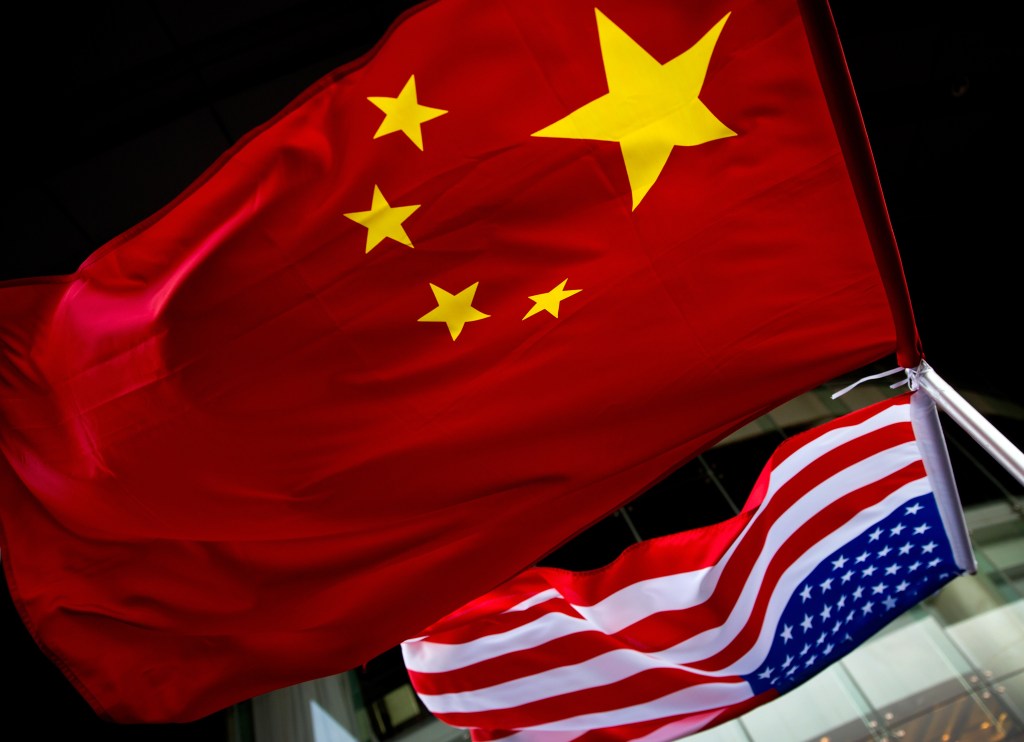
If “mutually assured cyber destruction” were to occur, one Marine Corps leader said, authoritarian nations such as China might have more to lose than the United States.
Top national security experts have warned that despite the United States’ cyber prowess, the country is vulnerable to cyberattacks because of how interconnected society is with essential services and the internet. But in the case of a cyber catastrophe, “we’ll still be America. We’ll be a little beaten up, a little dirty, but China won’t be China anymore because they will not maintain control,” said Lt. Gen. Eric Smith, head of the Marine Corps Combat Development Command and the deputy commandant for combat development and integration. Smith spoke at an AFCEA Northern Virginia chapter lunch Nov. 15.
Smith said if much of the country goes offline, places like Plano, Texas, will essentially be the same. While certain elements of daily life could get ugly, residents could still rely on local-, county-, state- and national-level law enforcement entities.
China, however, as an authoritarian state, must maintain central control, Smith said. This, in turn, become an Achilles’ heel.
“If I take all the cameras offline and all the mechanisms of control cease, Shanghai is not Shanghai anymore six months after that event,” he said. “Everything within China, which has one time zone, by the way … should have nine, but they have one … because they have to maintain central control.”
Smith added that the weakness within authoritarian regimes should be exploited more through offensive cyber means.