-

Rolls-Royce claims progress on fix for British destroyer’s propulsion system
A key part of the fix planned for the British Royal Navy’s Type 45 destroyer’s unreliable propulsion system is ready to be operationally tested for the first time, according to a top executive at Rolls-Royce’s Marine division.
-

German firm Hensoldt acquires UK radar maker
The terms of the deal have not been made public, but Hensoldt said subject to regulatory approval it hoped to close the takeover by the end of September.
-

Saab snags $120M Swiss contract for its next-gen anti-tank weapon
Switzerland has become the latest customer for the Anglo-Swedish developed next generation light anti-tank weapon in a deal announced by Saab on Wednesday.
-

British Navy’s aircraft carrier sets sail for first sea trials
Nearly 20 years after the British government first decided to build two large aircraft carriers to revive the Royal Navy’s global air strike capability, the first of those warships, HMS Queen Elizabeth, has left the dock at Rosyth, Scotland, to start sea trials.
-
Post UK election, Team Skytale to equip British military
Now free of restrictions over the announcement of contracts in the run-up to the general election in the U.K., the Ministry of Defence has confirmed it signed a deal with a Leonardo-Hensoldt team to equip the British military with a new generation of identification friend or foe systems.
-

Italy, UK seek F-35 and Typhoon synergies
Two nations fly both the F-35 and the Eurofighter. And both have been working hard this year to establish roadmaps for getting the aircraft to operate together.
-

Post UK election, ‘defense will have to fight hard for what it needs’
The Conservative government’s general election effort June 8 may have ended in failure. But for the immediate future, the Ministry of Defence will continue to be pinched.
-

Navies must focus on auto EW systems to survive hypersonic missiles, says expert
Future hypersonic weapons engagements will present scant warning cues to platforms, and will be delivered so fast that traditional man-in–the-loop responses will be unable to cope, according to a subject matter expert.
-

British defense review may come sooner as Brexit talks unfold
By late 2018, the implications of the upcoming negotiations with the European Union over Britain exiting the organization should have become much clearer, potentially prompting a new defense review, according to a top think tank here.
-

UK defense equipment plan at ‘risk of becoming unaffordable’
A significant fall in the value of the pound against the dollar, ongoing uncertainties surrounding the cost of new projects and continued cost control problems on some long-standing programs all contributed to the committee’s concerns over future equipment funding.
-
Rolls-Royce claims progress on fix for British destroyer’s propulsion system
A key part of the fix planned for the British Royal Navy’s Type 45 destroyer’s unreliable propulsion system is ready to be operationally tested for the first time, according to a top executive at Rolls-Royce’s Marine division.
-
German firm Hensoldt acquires UK radar maker
The terms of the deal have not been made public, but Hensoldt said subject to regulatory approval it hoped to close the takeover by the end of September.
-
Saab snags $120M Swiss contract for its next-gen anti-tank weapon
Switzerland has become the latest customer for the Anglo-Swedish developed next generation light anti-tank weapon in a deal announced by Saab on Wednesday.
-
British Navy’s aircraft carrier sets sail for first sea trials
Nearly 20 years after the British government first decided to build two large aircraft carriers to revive the Royal Navy’s global air strike capability, the first of those warships, HMS Queen Elizabeth, has left the dock at Rosyth, Scotland, to start sea trials.
-
Post UK election, Team Skytale to equip British military
Now free of restrictions over the announcement of contracts in the run-up to the general election in the U.K., the Ministry of Defence has confirmed it signed a deal with a Leonardo-Hensoldt team to equip the British military with a new generation of identification friend or foe systems.
-
Italy, UK seek F-35 and Typhoon synergies
Two nations fly both the F-35 and the Eurofighter. And both have been working hard this year to establish roadmaps for getting the aircraft to operate together.
-
Post UK election, ‘defense will have to fight hard for what it needs’
The Conservative government’s general election effort June 8 may have ended in failure. But for the immediate future, the Ministry of Defence will continue to be pinched.
-
Navies must focus on auto EW systems to survive hypersonic missiles, says expert
Future hypersonic weapons engagements will present scant warning cues to platforms, and will be delivered so fast that traditional man-in–the-loop responses will be unable to cope, according to a subject matter expert.
-
British defense review may come sooner as Brexit talks unfold
By late 2018, the implications of the upcoming negotiations with the European Union over Britain exiting the organization should have become much clearer, potentially prompting a new defense review, according to a top think tank here.
-
UK defense equipment plan at ‘risk of becoming unaffordable’
A significant fall in the value of the pound against the dollar, ongoing uncertainties surrounding the cost of new projects and continued cost control problems on some long-standing programs all contributed to the committee’s concerns over future equipment funding.
-
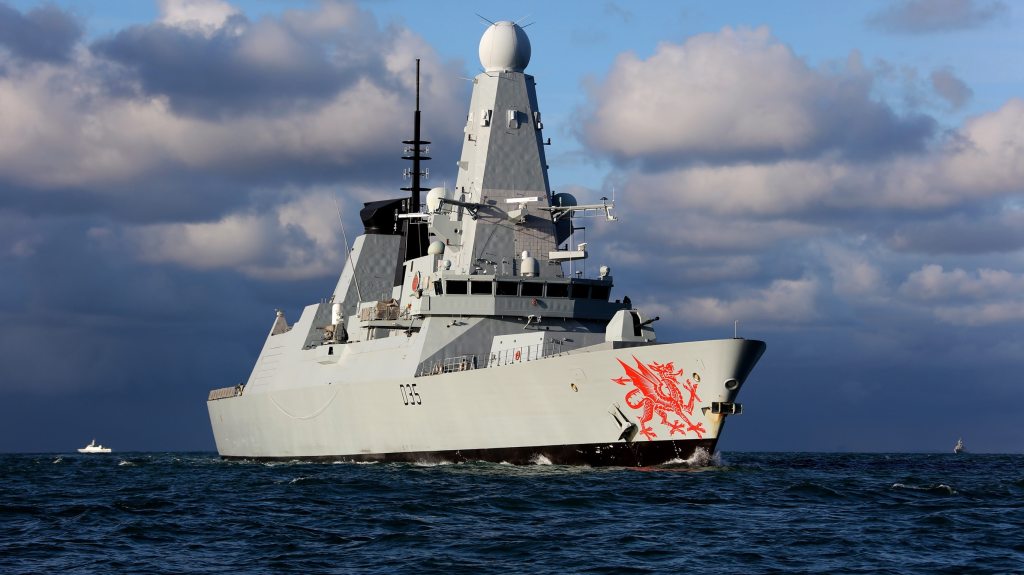
Rolls-Royce claims progress on fix for British destroyer’s propulsion system
A key part of the fix planned for the British Royal Navy’s Type 45 destroyer’s unreliable propulsion system is ready to be operationally tested for the first time, according to a top executive at Rolls-Royce’s Marine division.
-
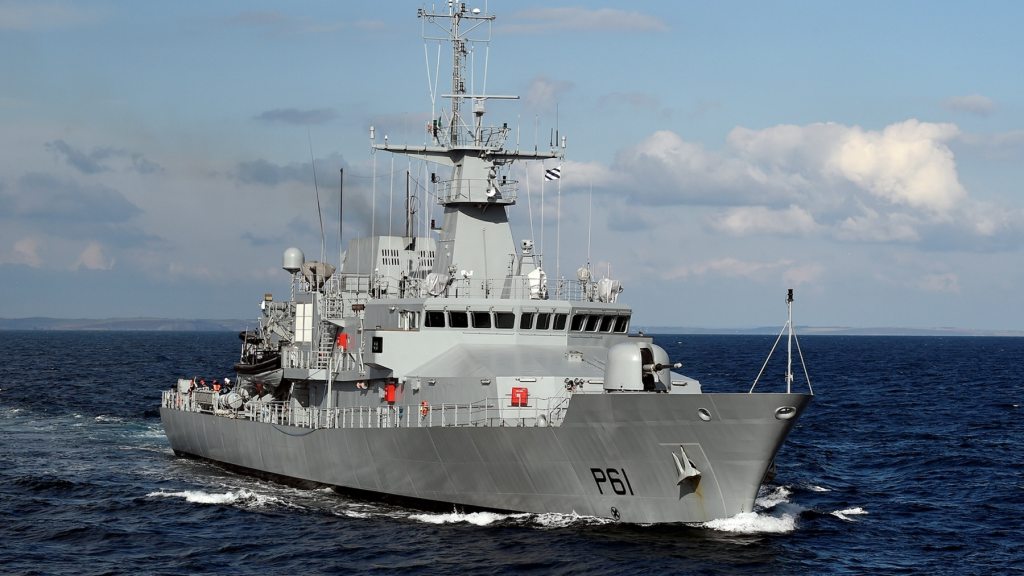
German firm Hensoldt acquires UK radar maker
The terms of the deal have not been made public, but Hensoldt said subject to regulatory approval it hoped to close the takeover by the end of September.
-
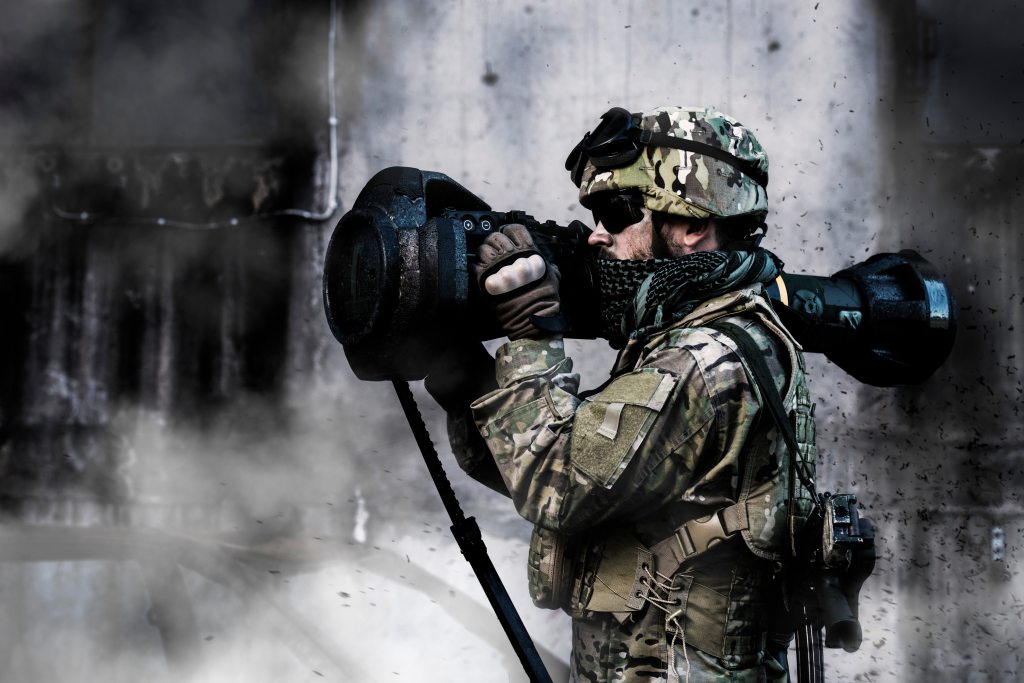
Saab snags $120M Swiss contract for its next-gen anti-tank weapon
Switzerland has become the latest customer for the Anglo-Swedish developed next generation light anti-tank weapon in a deal announced by Saab on Wednesday.
-
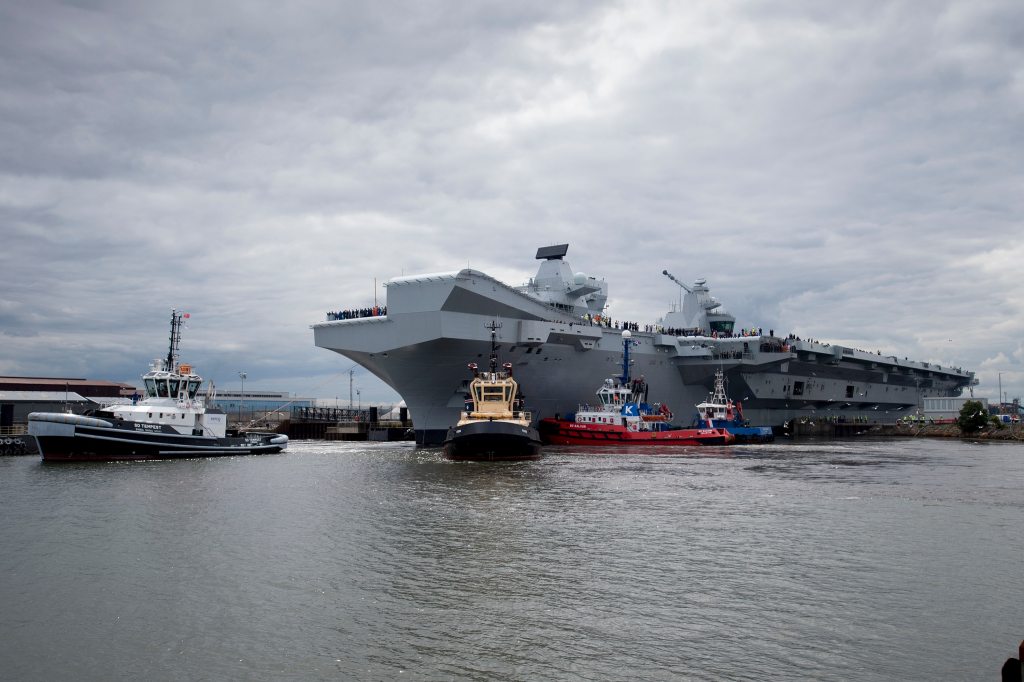
British Navy’s aircraft carrier sets sail for first sea trials
Nearly 20 years after the British government first decided to build two large aircraft carriers to revive the Royal Navy’s global air strike capability, the first of those warships, HMS Queen Elizabeth, has left the dock at Rosyth, Scotland, to start sea trials.
-
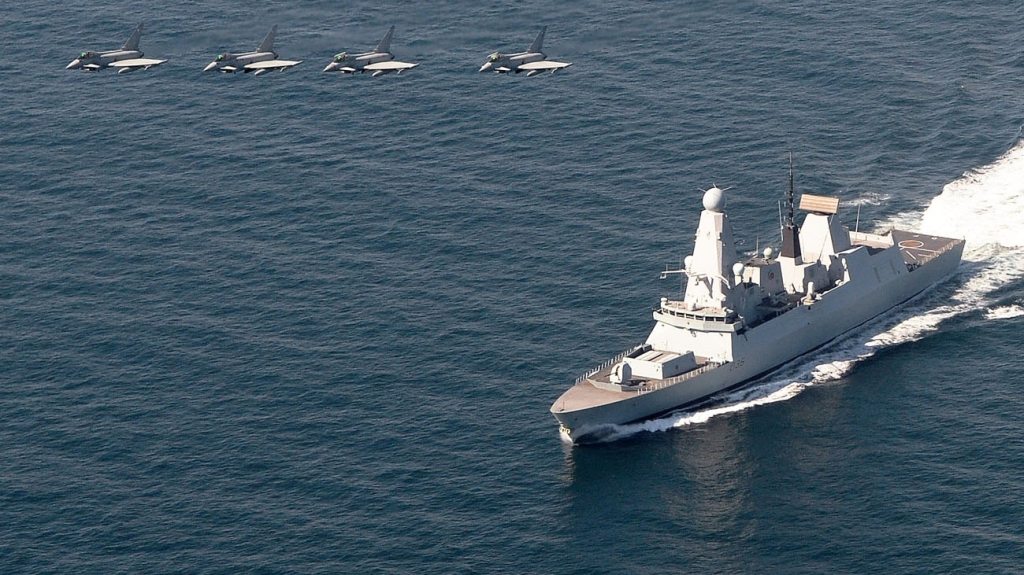
Post UK election, Team Skytale to equip British military
Now free of restrictions over the announcement of contracts in the run-up to the general election in the U.K., the Ministry of Defence has confirmed it signed a deal with a Leonardo-Hensoldt team to equip the British military with a new generation of identification friend or foe systems.
-
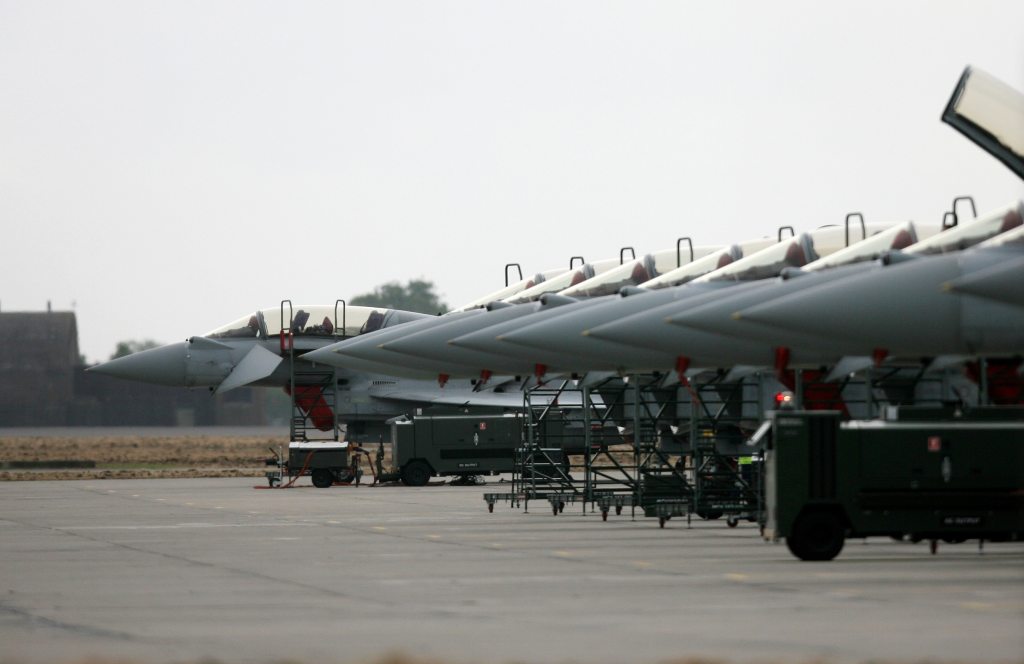
Italy, UK seek F-35 and Typhoon synergies
Two nations fly both the F-35 and the Eurofighter. And both have been working hard this year to establish roadmaps for getting the aircraft to operate together.
-

Post UK election, ‘defense will have to fight hard for what it needs’
The Conservative government’s general election effort June 8 may have ended in failure. But for the immediate future, the Ministry of Defence will continue to be pinched.
-

Navies must focus on auto EW systems to survive hypersonic missiles, says expert
Future hypersonic weapons engagements will present scant warning cues to platforms, and will be delivered so fast that traditional man-in–the-loop responses will be unable to cope, according to a subject matter expert.
-
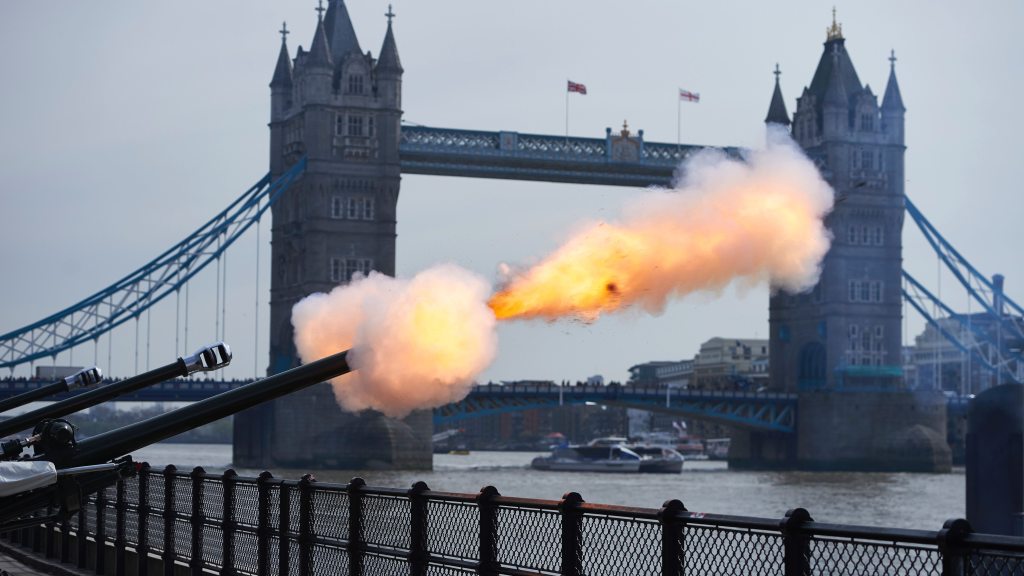
British defense review may come sooner as Brexit talks unfold
By late 2018, the implications of the upcoming negotiations with the European Union over Britain exiting the organization should have become much clearer, potentially prompting a new defense review, according to a top think tank here.
-

UK defense equipment plan at ‘risk of becoming unaffordable’
A significant fall in the value of the pound against the dollar, ongoing uncertainties surrounding the cost of new projects and continued cost control problems on some long-standing programs all contributed to the committee’s concerns over future equipment funding.