-

Space Command crafting requirements to improve satellite mobility
Lt. Gen. John Shaw says the need for mobility is driving the command to explore options for what he calls “dynamic space operations.”
-
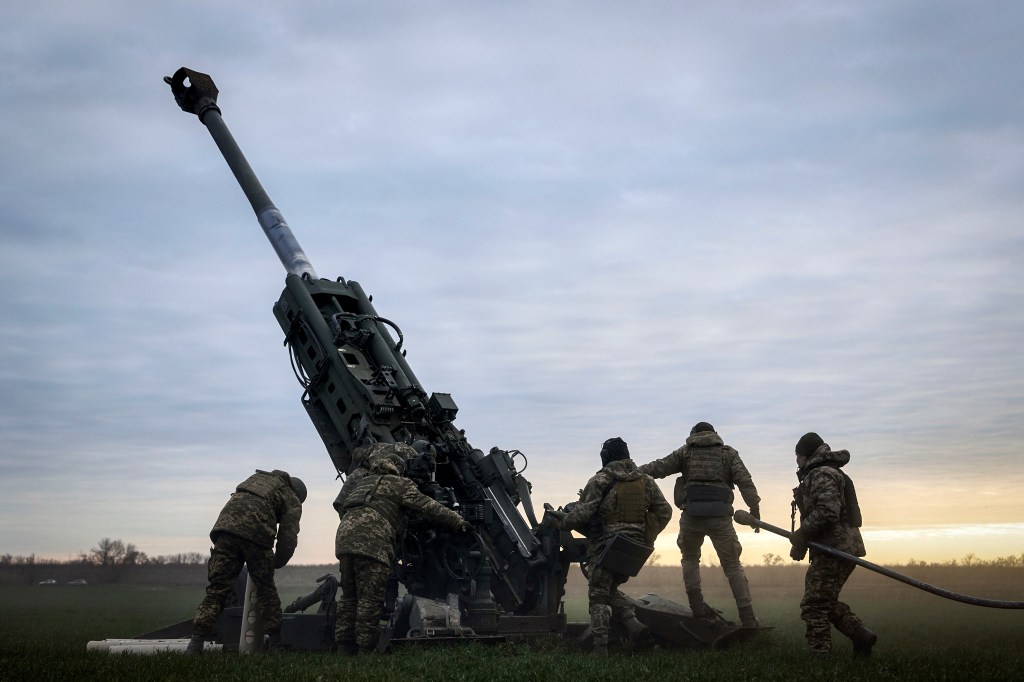
Pentagon technology chief seeks low-cost deterrence concepts
The study will consider how DoD can apply novel technology and operational approaches to deter “emerging regional powers” from invading their neighbors.
-
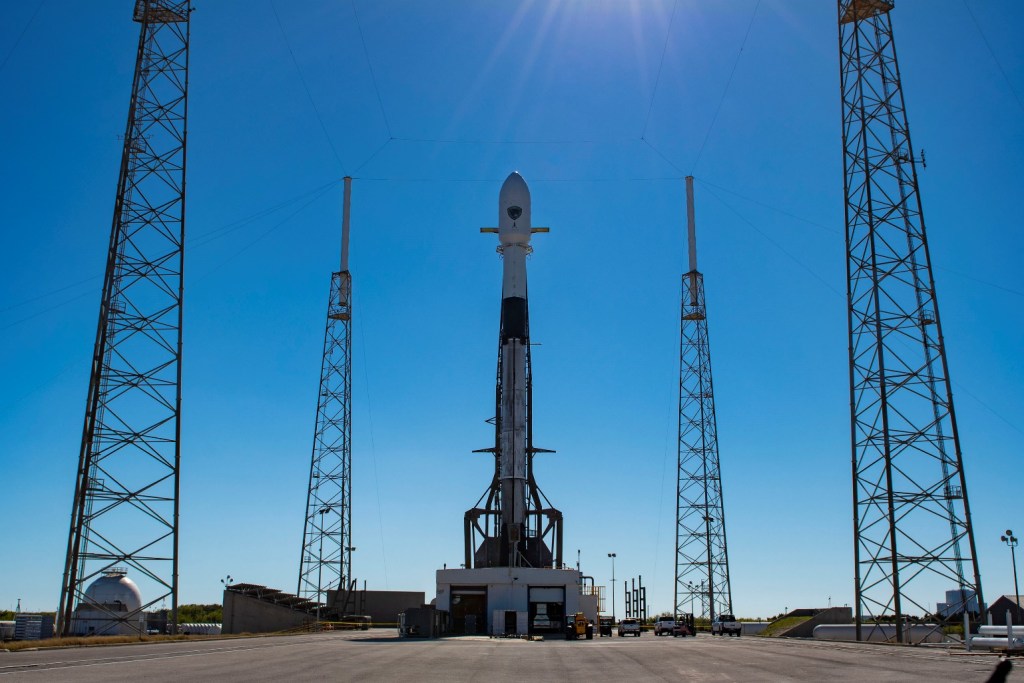
US Space Force crafting new schedule for GPS ground system
The service expects the new schedule for the Next-Generation Operational Control Segment to be approved this spring.
-
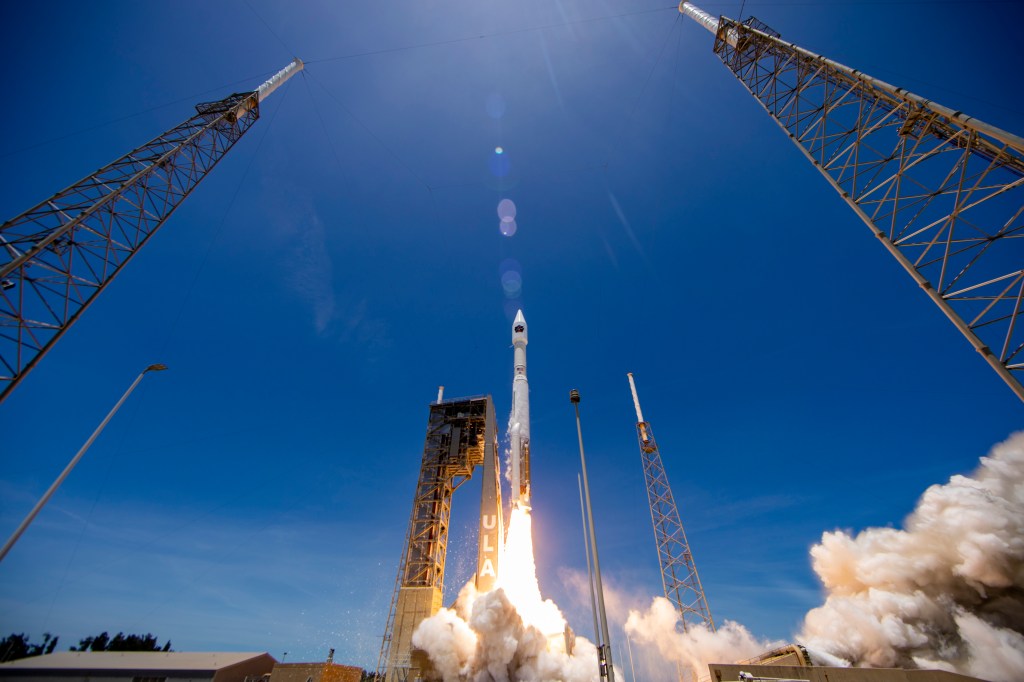
Space launch firms seek to balance government, commercial client needs
As demand for commercial launch grows and DoD eyes opportunities for new providers, space launch companies must balance more diverse customer needs.
-

SpaceX’s Shotwell says Ukraine ‘weaponized’ Starlink network
Ukraine has relied heavily on SpaceX’s Starlink satellites for broadband connectivity since Russia invaded the country last year.
-
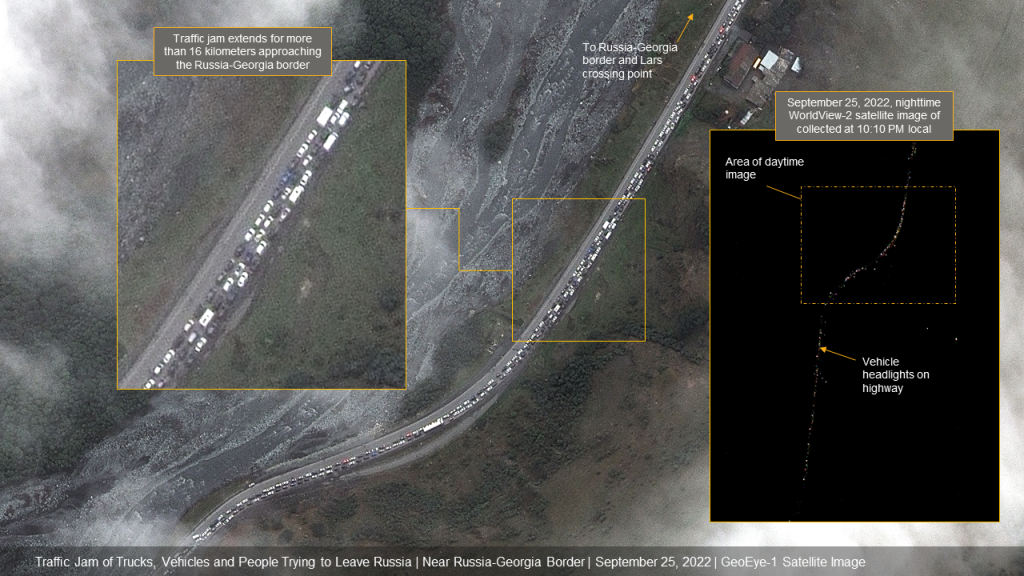
Maxar wins contract to provide satellite imagery to US allies
The five-year contract is worth up to $192 million and will provide high-resolution electro-optical and synthetic aperture radar imagery.
-

Why stratospheric balloons are used in era of space-based intelligence
Experts say balloons loitering at high altitudes can offer some advantages over satellites and drones — and could at least augment ISR capabilities.
-
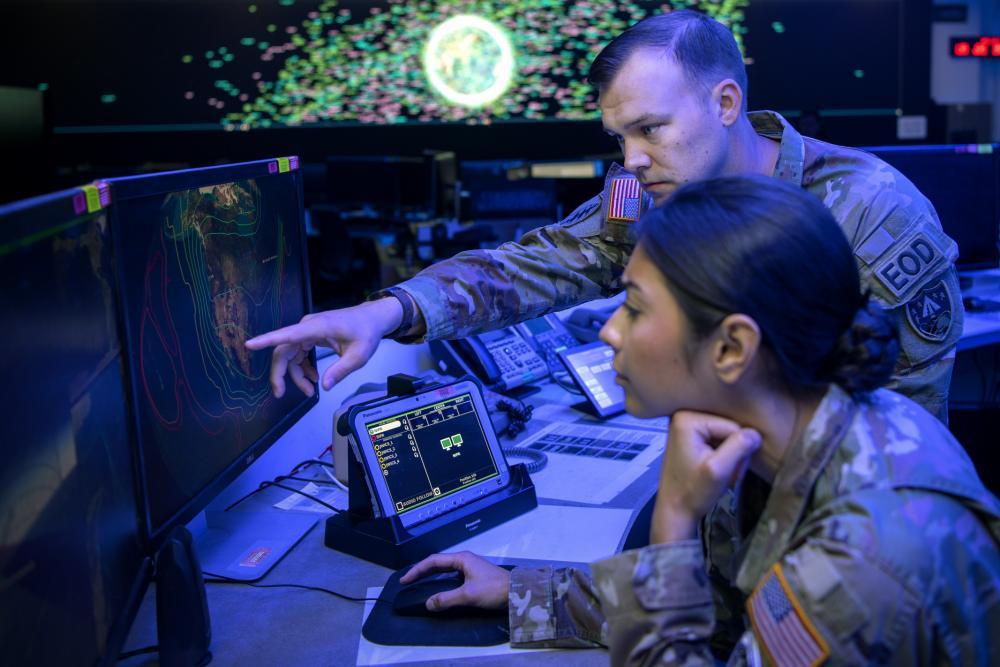
Space Force object tracking upgrade delayed by engineering challenges
The capability, which will allow the system to decommission its 1970s-era C2 system, was supposed to be delivered at the end of last year.
-

Defense Innovation Board launches survey to boost private partnerships
The survey will inform a broader study that considers how DoD can better mobilize capital investment toward critical defense technology areas.
-
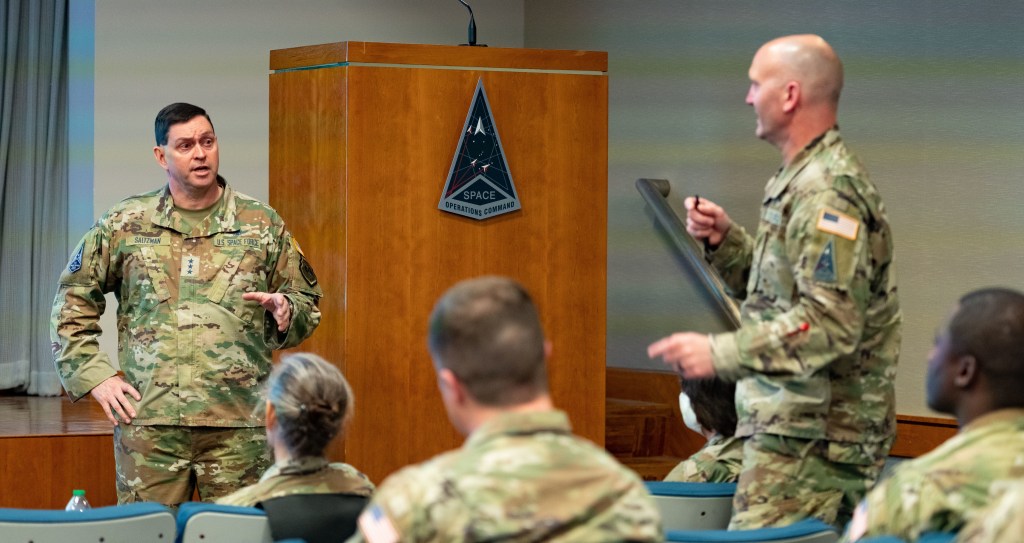
Space Force chief calls for tighter link between operators and buyers
Gen. Chance Saltzman told reporters today he wants space operators to be more involved in shaping plans for future systems and defining training needs.
-
Space Command crafting requirements to improve satellite mobility
Lt. Gen. John Shaw says the need for mobility is driving the command to explore options for what he calls “dynamic space operations.”
-
Pentagon technology chief seeks low-cost deterrence concepts
The study will consider how DoD can apply novel technology and operational approaches to deter “emerging regional powers” from invading their neighbors.
-
US Space Force crafting new schedule for GPS ground system
The service expects the new schedule for the Next-Generation Operational Control Segment to be approved this spring.
-
Space launch firms seek to balance government, commercial client needs
As demand for commercial launch grows and DoD eyes opportunities for new providers, space launch companies must balance more diverse customer needs.
-
SpaceX’s Shotwell says Ukraine ‘weaponized’ Starlink network
Ukraine has relied heavily on SpaceX’s Starlink satellites for broadband connectivity since Russia invaded the country last year.
-
Maxar wins contract to provide satellite imagery to US allies
The five-year contract is worth up to $192 million and will provide high-resolution electro-optical and synthetic aperture radar imagery.
-
Why stratospheric balloons are used in era of space-based intelligence
Experts say balloons loitering at high altitudes can offer some advantages over satellites and drones — and could at least augment ISR capabilities.
-
Space Force object tracking upgrade delayed by engineering challenges
The capability, which will allow the system to decommission its 1970s-era C2 system, was supposed to be delivered at the end of last year.
-
Defense Innovation Board launches survey to boost private partnerships
The survey will inform a broader study that considers how DoD can better mobilize capital investment toward critical defense technology areas.
-
Space Force chief calls for tighter link between operators and buyers
Gen. Chance Saltzman told reporters today he wants space operators to be more involved in shaping plans for future systems and defining training needs.