-
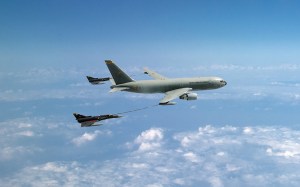
India’s on-again, off-again aerial tanker saga edges closer to an end
In the meantime, the Indian Air Force’s tanker fleet comprising six Ilyushin Il-78MKI aircraft acquired from Uzbekistan in 2003-2004, is running on fumes.
-
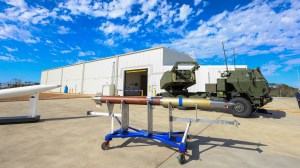
As US ramps up munitions production, South Korea and Australia want in
Hanwha Aerospace and Lockheed Martin are taking different routes to partake in the massive push to replenish America’s artillery shells and rockets.
-
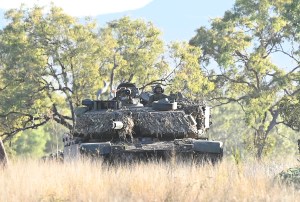
Tanks, howitzers galore: Australian Army embraces influx of new armor
Australia has never operated a self-propelled howitzer before, and the weapon extends the range of the army’s tube artillery to around 25 miles.
-
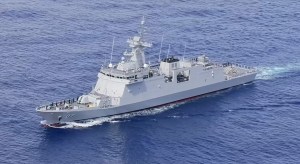
South Korea’s Hyundai feeds rapid naval upgrades in the Philippines
Two new frigates will be the first Philippine warships boasting a vertical launch system for missiles.
-
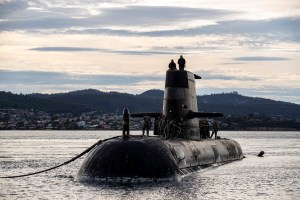
Australian navy sizes up high-risk submarine transitions under AUKUS
Officials have taken an “integrated approach” to orchestrating the two programs, from freshening up legacy submarines to receiving nuclear-powered boats.
-
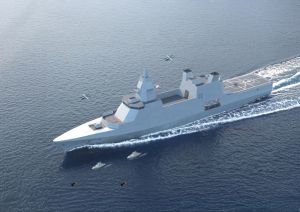
Singapore launches ‘Battlestar Galactica’-like warship with drones
One such vessel, with its fleet of unmanned companions, could execute missions that would otherwise require multiple manned warships.
-
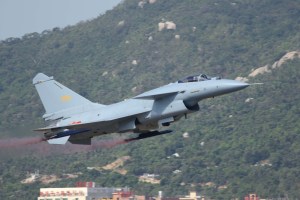
Bangladesh air force gets nod to spend billions on multirole fighters
Two air forces fly the Chinese-made J-10 fighter – China and Pakistan – but a third nation could soon become an operator of this 4.5-generation jet.
-
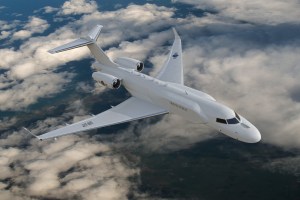
S. Korea picks L3Harris tech package for new early-warning aircraft
A contract for the program, which has a budget of $2.2 billion, is expected to be signed around November.
-
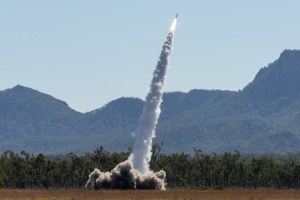
Australia’s fresh HIMARS hankering may signal ship-killer role
Canberra had narrowed the competition to the HIMARS-PrSM and the StrikeMaster, which couples a Thales Bushmaster 4×4 chassis with Naval Strike Missiles.
-
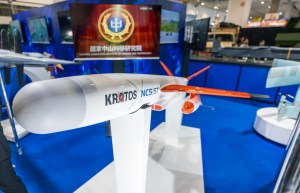
At Taiwan arms show, vendors bank on cheap weapons for big damage
With the support of the U.S. administration seen as iffy, Taipei officials try to diversify their roster or weapons suppliers.
-
India’s on-again, off-again aerial tanker saga edges closer to an end
In the meantime, the Indian Air Force’s tanker fleet comprising six Ilyushin Il-78MKI aircraft acquired from Uzbekistan in 2003-2004, is running on fumes.
-
As US ramps up munitions production, South Korea and Australia want in
Hanwha Aerospace and Lockheed Martin are taking different routes to partake in the massive push to replenish America’s artillery shells and rockets.
-
Tanks, howitzers galore: Australian Army embraces influx of new armor
Australia has never operated a self-propelled howitzer before, and the weapon extends the range of the army’s tube artillery to around 25 miles.
-
South Korea’s Hyundai feeds rapid naval upgrades in the Philippines
Two new frigates will be the first Philippine warships boasting a vertical launch system for missiles.
-
Australian navy sizes up high-risk submarine transitions under AUKUS
Officials have taken an “integrated approach” to orchestrating the two programs, from freshening up legacy submarines to receiving nuclear-powered boats.
-
Singapore launches ‘Battlestar Galactica’-like warship with drones
One such vessel, with its fleet of unmanned companions, could execute missions that would otherwise require multiple manned warships.
-
Bangladesh air force gets nod to spend billions on multirole fighters
Two air forces fly the Chinese-made J-10 fighter – China and Pakistan – but a third nation could soon become an operator of this 4.5-generation jet.
-
S. Korea picks L3Harris tech package for new early-warning aircraft
A contract for the program, which has a budget of $2.2 billion, is expected to be signed around November.
-
Australia’s fresh HIMARS hankering may signal ship-killer role
Canberra had narrowed the competition to the HIMARS-PrSM and the StrikeMaster, which couples a Thales Bushmaster 4×4 chassis with Naval Strike Missiles.
-
At Taiwan arms show, vendors bank on cheap weapons for big damage
With the support of the U.S. administration seen as iffy, Taipei officials try to diversify their roster or weapons suppliers.
-
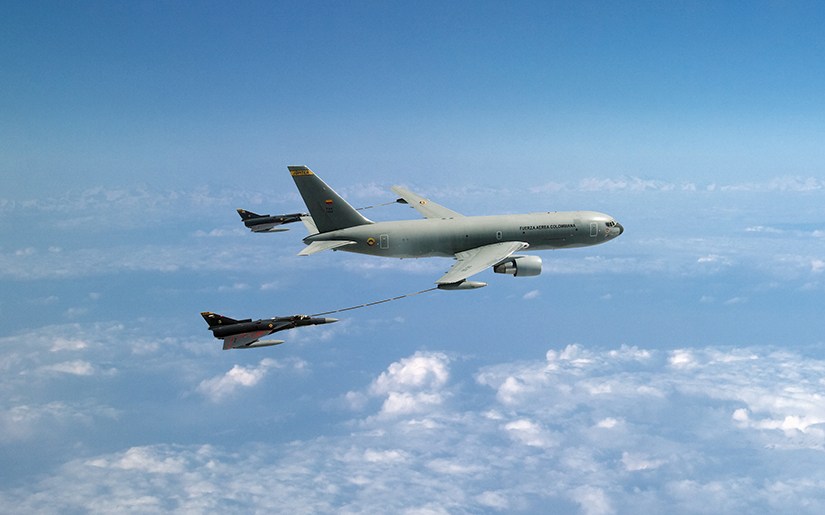
India’s on-again, off-again aerial tanker saga edges closer to an end
In the meantime, the Indian Air Force’s tanker fleet comprising six Ilyushin Il-78MKI aircraft acquired from Uzbekistan in 2003-2004, is running on fumes.
-
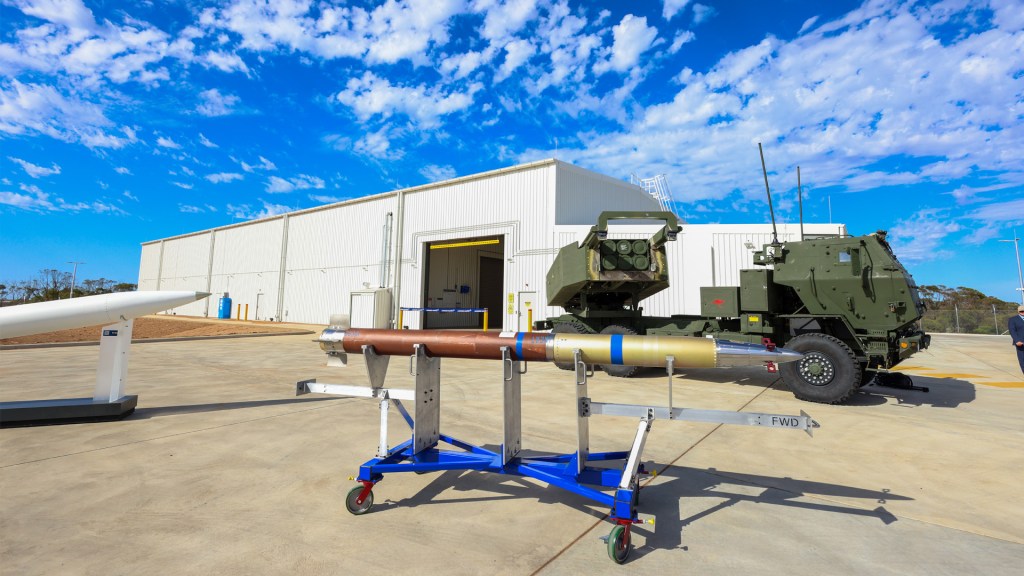
As US ramps up munitions production, South Korea and Australia want in
Hanwha Aerospace and Lockheed Martin are taking different routes to partake in the massive push to replenish America’s artillery shells and rockets.
-
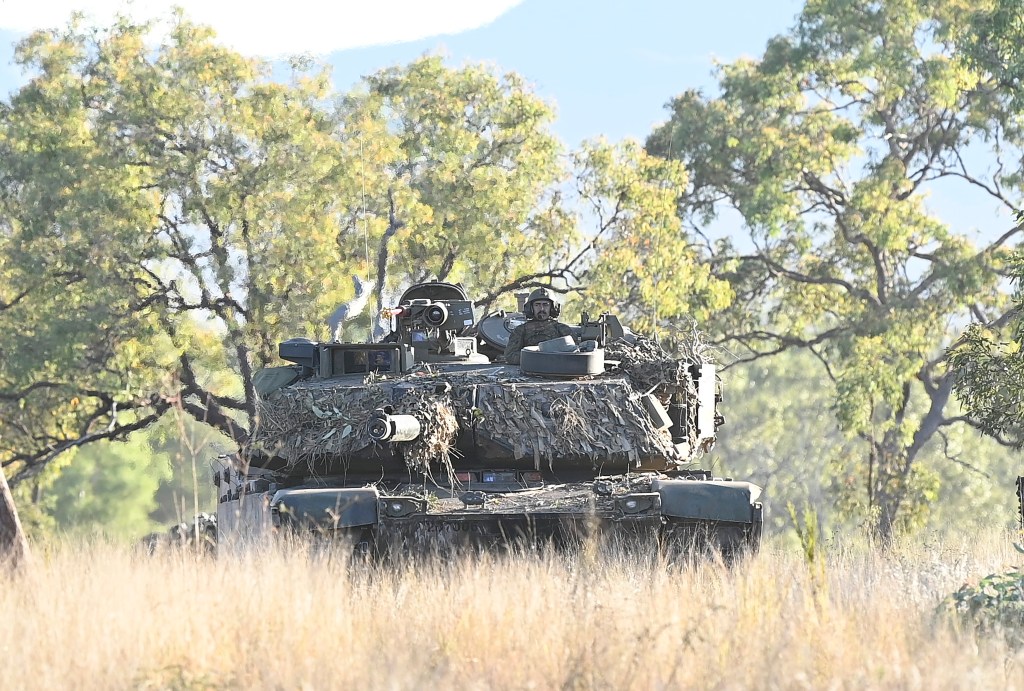
Tanks, howitzers galore: Australian Army embraces influx of new armor
Australia has never operated a self-propelled howitzer before, and the weapon extends the range of the army’s tube artillery to around 25 miles.
-
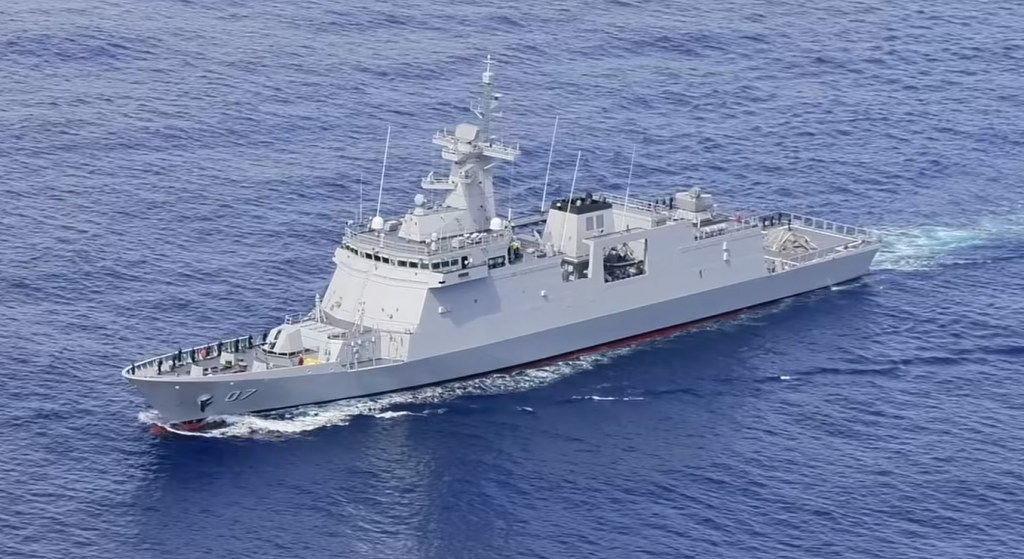
South Korea’s Hyundai feeds rapid naval upgrades in the Philippines
Two new frigates will be the first Philippine warships boasting a vertical launch system for missiles.
-
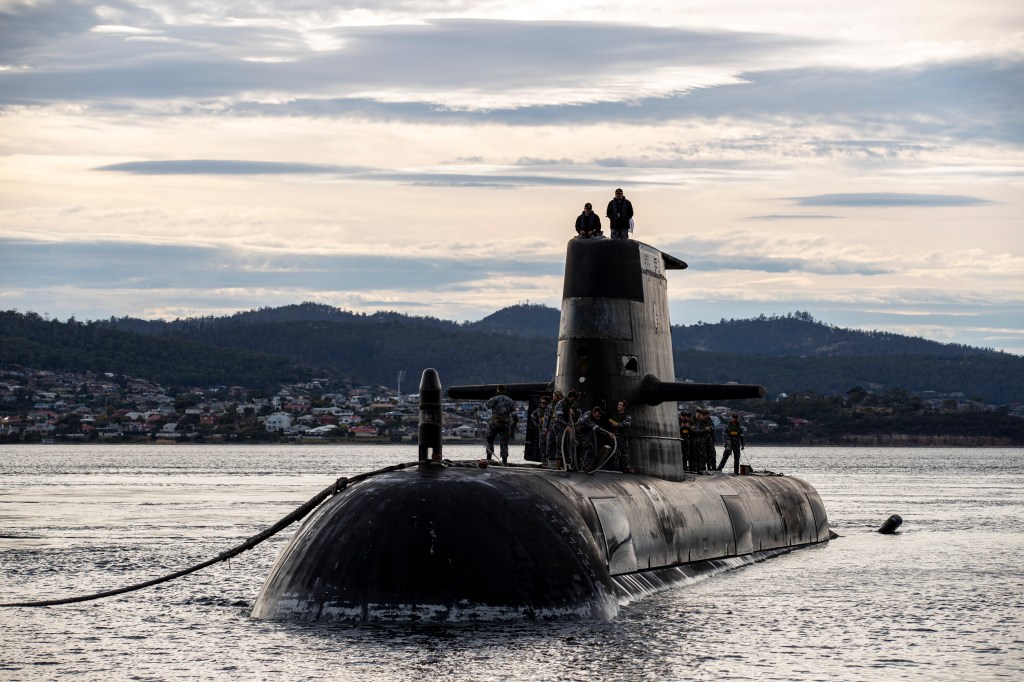
Australian navy sizes up high-risk submarine transitions under AUKUS
Officials have taken an “integrated approach” to orchestrating the two programs, from freshening up legacy submarines to receiving nuclear-powered boats.
-
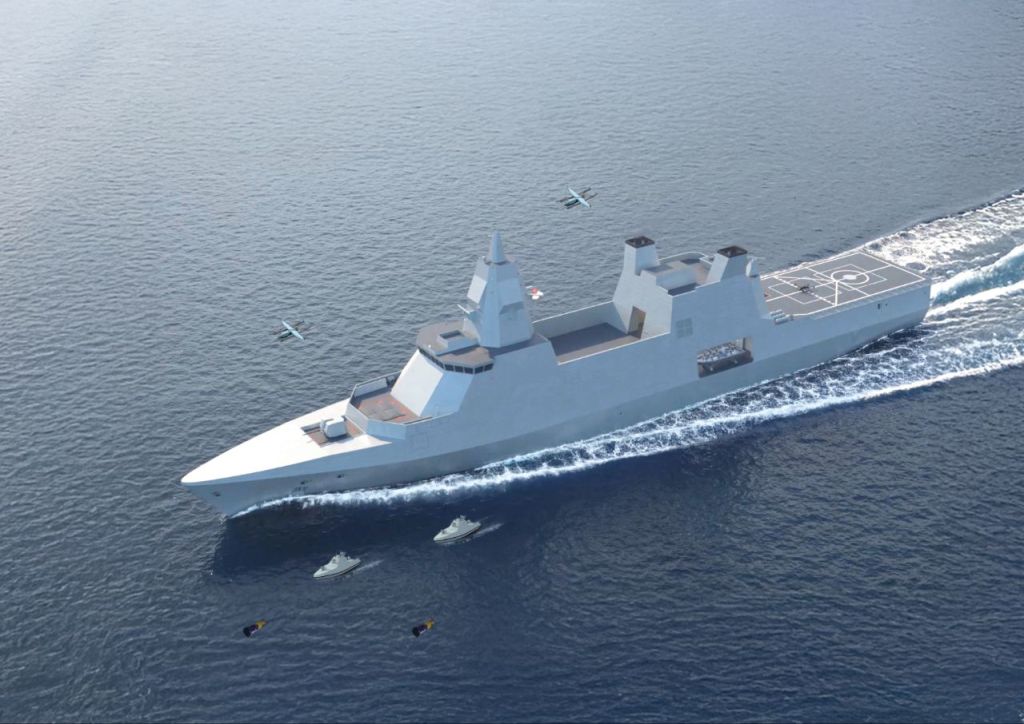
Singapore launches ‘Battlestar Galactica’-like warship with drones
One such vessel, with its fleet of unmanned companions, could execute missions that would otherwise require multiple manned warships.
-
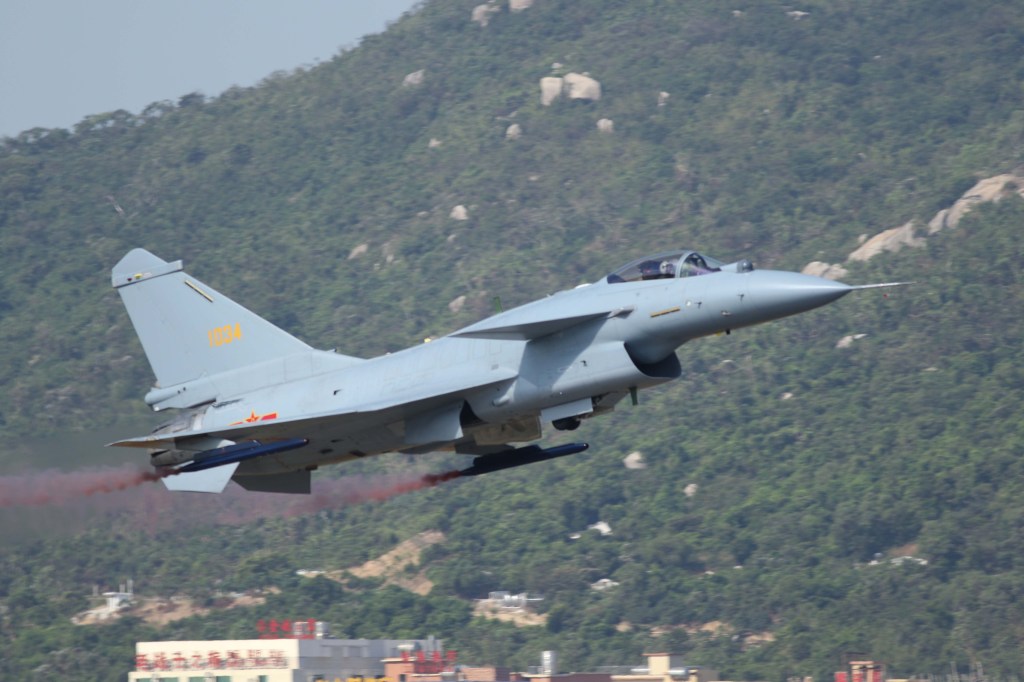
Bangladesh air force gets nod to spend billions on multirole fighters
Two air forces fly the Chinese-made J-10 fighter – China and Pakistan – but a third nation could soon become an operator of this 4.5-generation jet.
-
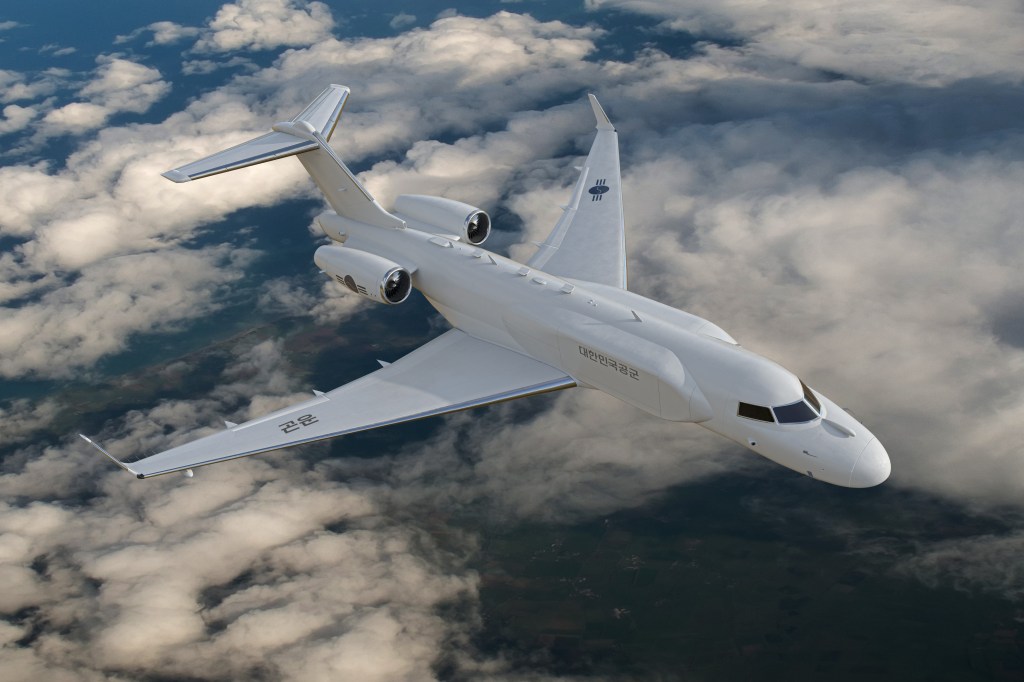
S. Korea picks L3Harris tech package for new early-warning aircraft
A contract for the program, which has a budget of $2.2 billion, is expected to be signed around November.
-
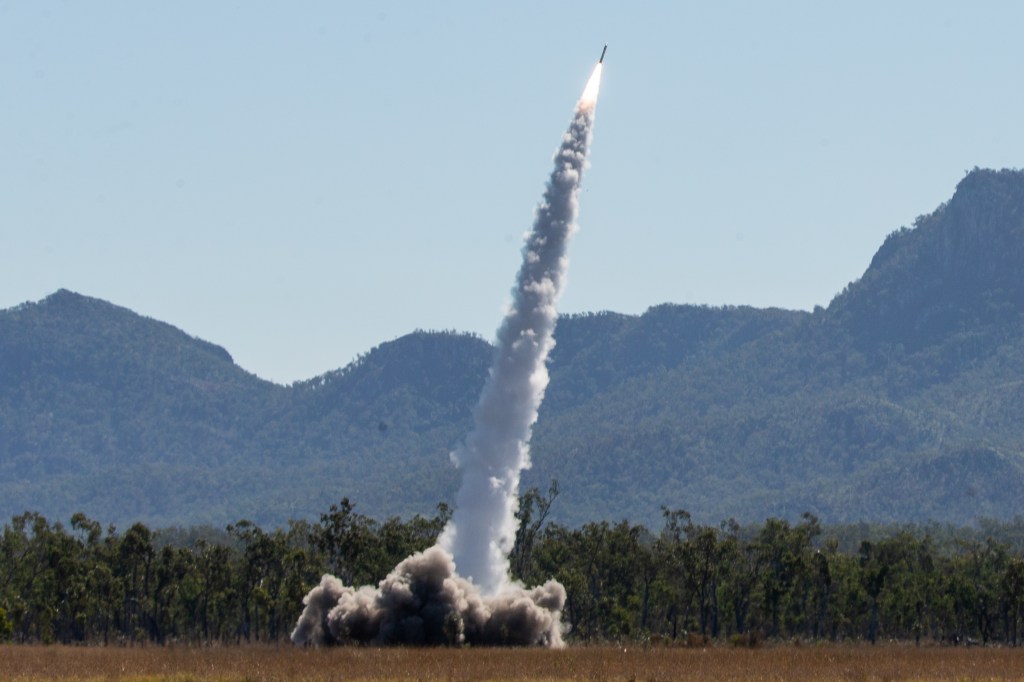
Australia’s fresh HIMARS hankering may signal ship-killer role
Canberra had narrowed the competition to the HIMARS-PrSM and the StrikeMaster, which couples a Thales Bushmaster 4×4 chassis with Naval Strike Missiles.
-
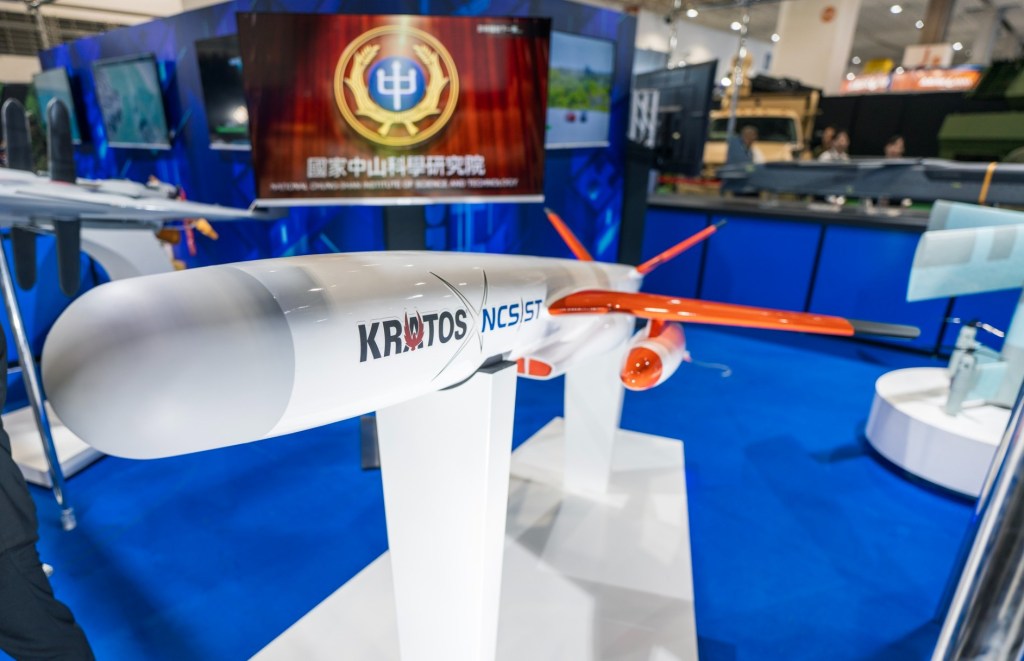
At Taiwan arms show, vendors bank on cheap weapons for big damage
With the support of the U.S. administration seen as iffy, Taipei officials try to diversify their roster or weapons suppliers.