-

Are we at cyberwar?
There’s a lot of chatter about the threat of cyberwar. But do recent cyber breaches perpetuated by Russia and other adversaries mean the battle has already begun?
-

US coalition partners work out cyber defense for joint operations
The U.S. and four other nations worked through joint cyber defense of a mission partner network during a recent demonstration.
-

CYBERCOM working through intel side of cyber defense
While intelligence for cyber defense has been slow to come online, these capabilities are now being more integrated with defensive elements.
-
4 priorities for DoD’s cyber defense arm
A look at JFHQ-DoDIN’s cyber priorities for the coming year.
-

Air Force: ‘Colorless money’ could be the answer to tech buying woes
Amid frustration with the notoriously slow procurement system, the Air Force created a new office to evaluate and oversee how it buys technology. And ‘colorless money’ that provides greater flexibility in how funds are spent is among the concepts being floated by its new chief.
-

Does organizing cyberspace actually ratchet up potential for conflict?
Some academics believe Cyber Command’s elevated position could lead to an arms race in cyberspace.
-
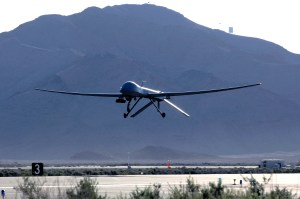
What the NDAA agreement means for C4ISR: More Gray Eagles?
Lawmakers are looking to fill holes in intelligence, surveillance and reconnaissance for combatant commanders around the word in the FY18 National Defense Authorization Act.
-
How the Air Force is doing rapid cyber acquisition for offense, defense
The Air Force has employed a model to do rapid cyber capability development faster than the traditional model and other services.
-

Bold Quest assures coalition systems don’t battle, in case partner nations must
The U.S., along with partner nations, worked through potential interoperability challenges at the annual systems exercise.
-
Army hopes to streamline modernization efforts after WIN-T ‘debacle’
In Part II: The Army is currently dealing with multimillion dollar programs of record that make it difficult to insert newer technologies or capabilities.
-
Are we at cyberwar?
There’s a lot of chatter about the threat of cyberwar. But do recent cyber breaches perpetuated by Russia and other adversaries mean the battle has already begun?
-
US coalition partners work out cyber defense for joint operations
The U.S. and four other nations worked through joint cyber defense of a mission partner network during a recent demonstration.
-
CYBERCOM working through intel side of cyber defense
While intelligence for cyber defense has been slow to come online, these capabilities are now being more integrated with defensive elements.
-
4 priorities for DoD’s cyber defense arm
A look at JFHQ-DoDIN’s cyber priorities for the coming year.
-
Air Force: ‘Colorless money’ could be the answer to tech buying woes
Amid frustration with the notoriously slow procurement system, the Air Force created a new office to evaluate and oversee how it buys technology. And ‘colorless money’ that provides greater flexibility in how funds are spent is among the concepts being floated by its new chief.
-
Does organizing cyberspace actually ratchet up potential for conflict?
Some academics believe Cyber Command’s elevated position could lead to an arms race in cyberspace.
-
What the NDAA agreement means for C4ISR: More Gray Eagles?
Lawmakers are looking to fill holes in intelligence, surveillance and reconnaissance for combatant commanders around the word in the FY18 National Defense Authorization Act.
-
How the Air Force is doing rapid cyber acquisition for offense, defense
The Air Force has employed a model to do rapid cyber capability development faster than the traditional model and other services.
-
Bold Quest assures coalition systems don’t battle, in case partner nations must
The U.S., along with partner nations, worked through potential interoperability challenges at the annual systems exercise.
-
Army hopes to streamline modernization efforts after WIN-T ‘debacle’
In Part II: The Army is currently dealing with multimillion dollar programs of record that make it difficult to insert newer technologies or capabilities.
-

Are we at cyberwar?
There’s a lot of chatter about the threat of cyberwar. But do recent cyber breaches perpetuated by Russia and other adversaries mean the battle has already begun?
-
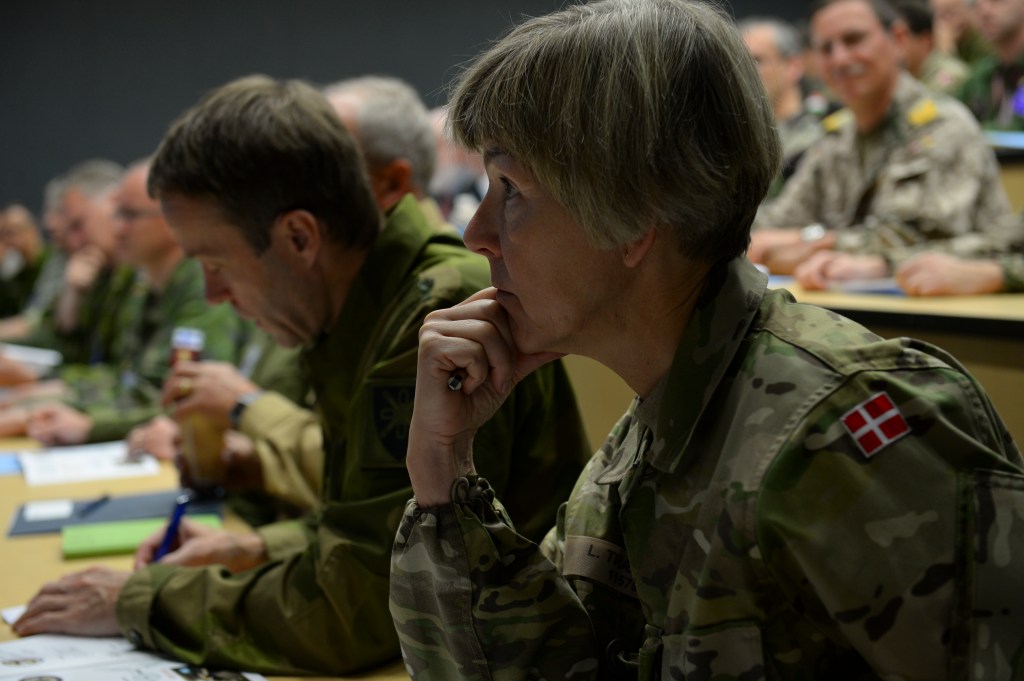
US coalition partners work out cyber defense for joint operations
The U.S. and four other nations worked through joint cyber defense of a mission partner network during a recent demonstration.
-

CYBERCOM working through intel side of cyber defense
While intelligence for cyber defense has been slow to come online, these capabilities are now being more integrated with defensive elements.
-
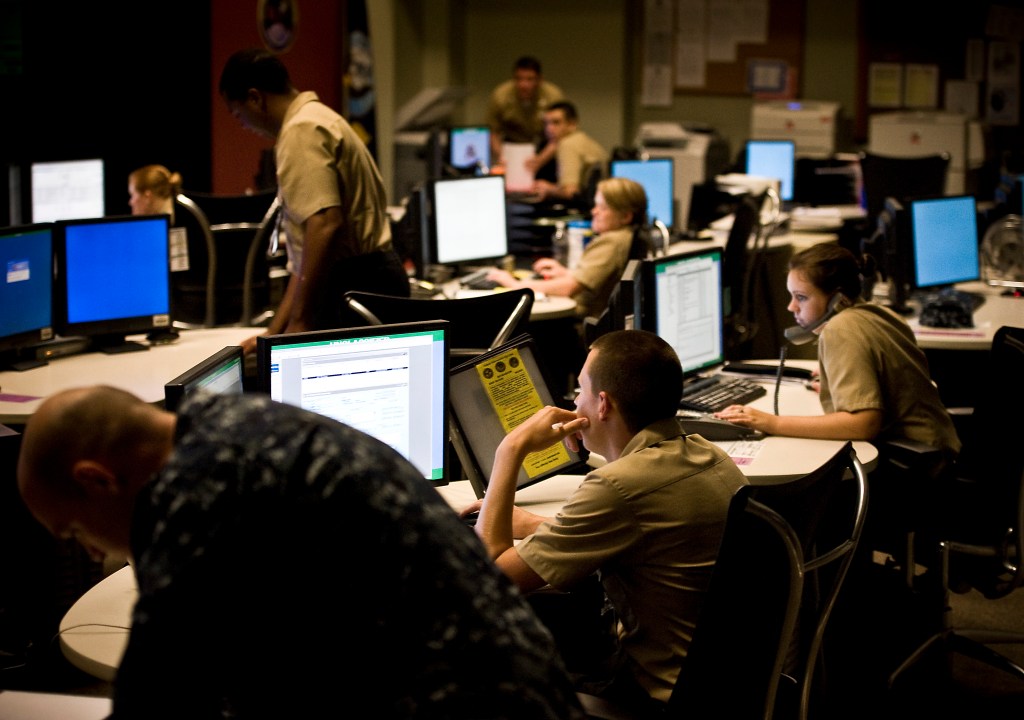
4 priorities for DoD’s cyber defense arm
A look at JFHQ-DoDIN’s cyber priorities for the coming year.
-

Air Force: ‘Colorless money’ could be the answer to tech buying woes
Amid frustration with the notoriously slow procurement system, the Air Force created a new office to evaluate and oversee how it buys technology. And ‘colorless money’ that provides greater flexibility in how funds are spent is among the concepts being floated by its new chief.
-

Does organizing cyberspace actually ratchet up potential for conflict?
Some academics believe Cyber Command’s elevated position could lead to an arms race in cyberspace.
-
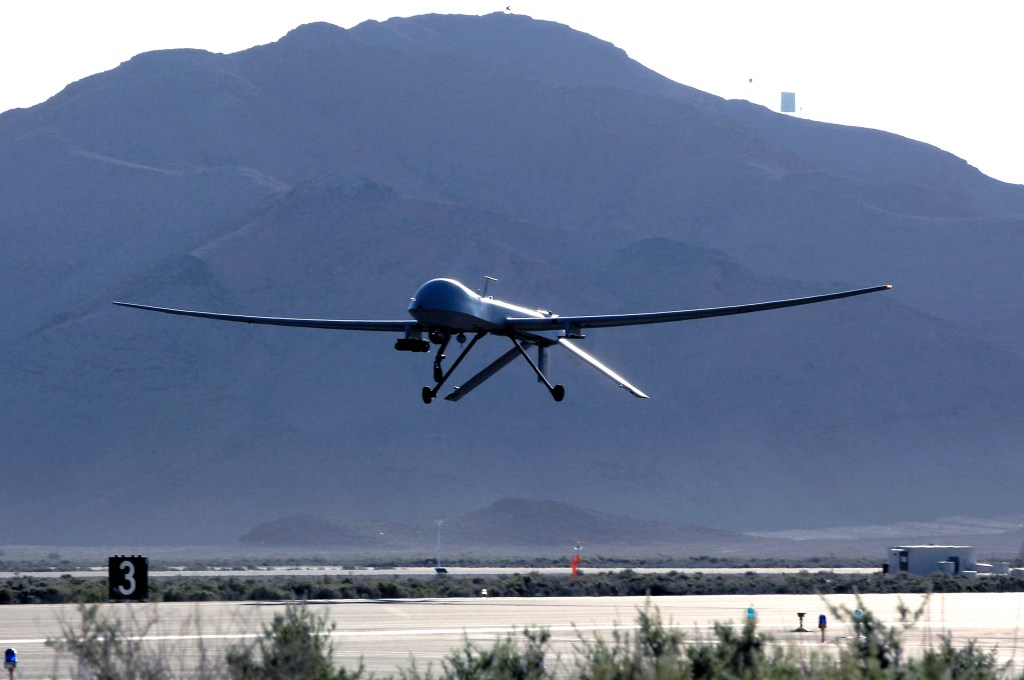
What the NDAA agreement means for C4ISR: More Gray Eagles?
Lawmakers are looking to fill holes in intelligence, surveillance and reconnaissance for combatant commanders around the word in the FY18 National Defense Authorization Act.
-
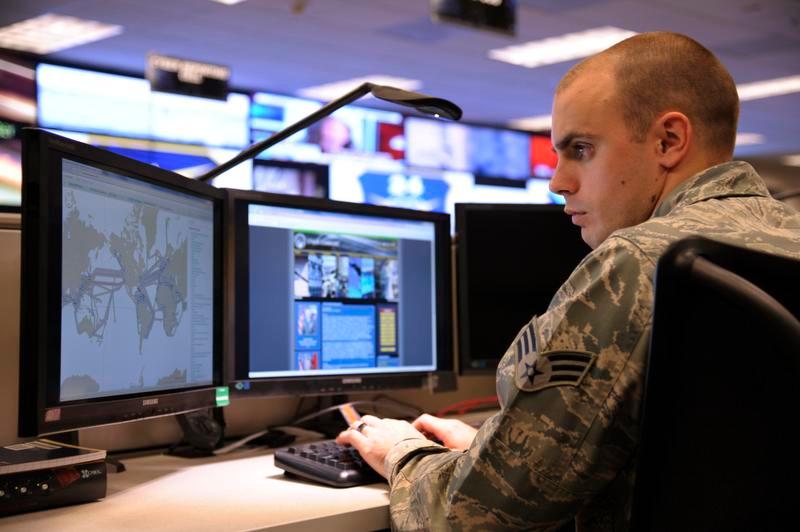
How the Air Force is doing rapid cyber acquisition for offense, defense
The Air Force has employed a model to do rapid cyber capability development faster than the traditional model and other services.
-

Bold Quest assures coalition systems don’t battle, in case partner nations must
The U.S., along with partner nations, worked through potential interoperability challenges at the annual systems exercise.
-
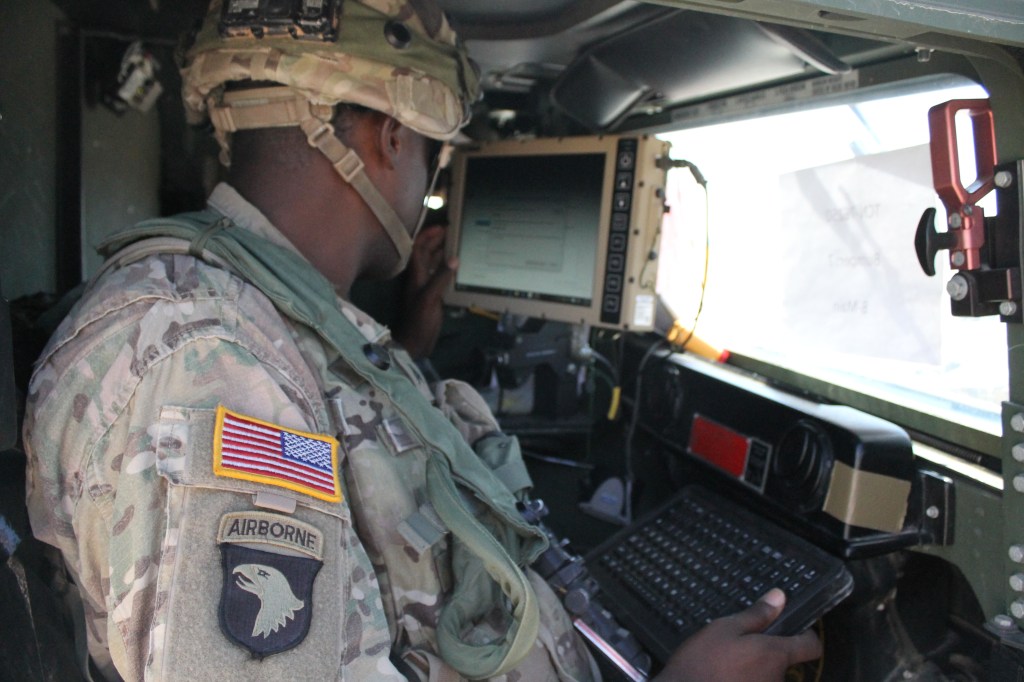
Army hopes to streamline modernization efforts after WIN-T ‘debacle’
In Part II: The Army is currently dealing with multimillion dollar programs of record that make it difficult to insert newer technologies or capabilities.