-

DARPA chooses three firms to design nuclear-powered space vehicle
DARPA believes nuclear-powered propulsion could enable rapid maneuver in space — a capability that is difficult to achieve with current electric and chemical propulsion systems.
-
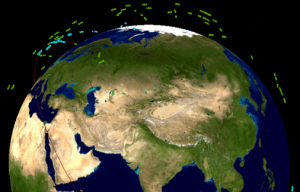
German Space Agency to use Lockheed Martin tool to track space debris
Lockheed Martin’s iSpace can track thousands of space objects, allowing operators to foresee collisions and try to avoid them.
-

Space Force unveils plans for Space Systems Command
Space Systems Command will be in charge of developing, acquiring, fielding and sustaining new capabilities for the U.S. Space Force.
-
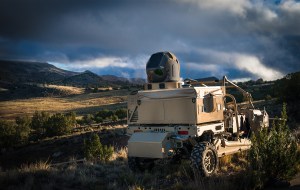
Raytheon awarded $15.5 million to upgrade laser weapon
Mounted on the back of a dune buggy, the Raytheon-built High Energy Laser Weapon System (HELWS) uses directed energy to defeat incoming unmanned aerial systems.
-

Defense Intelligence Agency continues progress on MARS database
The Machine-Assisted Analytic Rapid-Repository System (MARS) is being designed to ingest the massive amount of data collected by the intelligence community
-
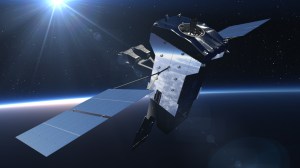
America’s next missile warning satellite arrives in Florida
The fifth Space Based Infrared System satellite was delivered to Florida ahead of an anticipated May launch.
-
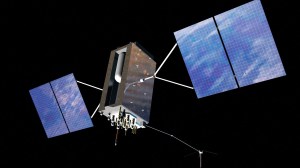
Space Force begins loaning anti-jamming GPS tech to allies
The three-year arrangement will allow allies to begin testing M-Code-ready equipment.
-
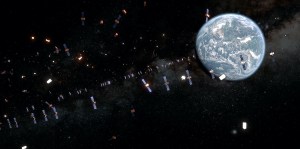
Bluestaq wins $280 million contract for space situational awareness library
Bluestaq will continue its work on the Unified Data Library, a one stop shop for space domain awareness data.
-
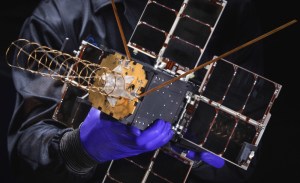
Rocket Lab launches Army satellite
Gunsmoke-J will help the Army develop tactical capabilities for the war fighter.
-
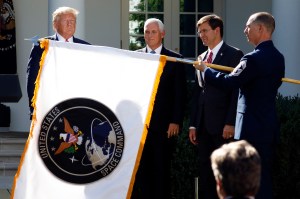
GAO to review Space Command headquarters decision
The Government Accountability Office will look into the Air Force’s decision to move Space Command’s headquarters to Huntsville, Alabama, following a request from a Colorado congressman.
-
DARPA chooses three firms to design nuclear-powered space vehicle
DARPA believes nuclear-powered propulsion could enable rapid maneuver in space — a capability that is difficult to achieve with current electric and chemical propulsion systems.
-
German Space Agency to use Lockheed Martin tool to track space debris
Lockheed Martin’s iSpace can track thousands of space objects, allowing operators to foresee collisions and try to avoid them.
-
Space Force unveils plans for Space Systems Command
Space Systems Command will be in charge of developing, acquiring, fielding and sustaining new capabilities for the U.S. Space Force.
-
Raytheon awarded $15.5 million to upgrade laser weapon
Mounted on the back of a dune buggy, the Raytheon-built High Energy Laser Weapon System (HELWS) uses directed energy to defeat incoming unmanned aerial systems.
-
Defense Intelligence Agency continues progress on MARS database
The Machine-Assisted Analytic Rapid-Repository System (MARS) is being designed to ingest the massive amount of data collected by the intelligence community
-
America’s next missile warning satellite arrives in Florida
The fifth Space Based Infrared System satellite was delivered to Florida ahead of an anticipated May launch.
-
Space Force begins loaning anti-jamming GPS tech to allies
The three-year arrangement will allow allies to begin testing M-Code-ready equipment.
-
Bluestaq wins $280 million contract for space situational awareness library
Bluestaq will continue its work on the Unified Data Library, a one stop shop for space domain awareness data.
-
Rocket Lab launches Army satellite
Gunsmoke-J will help the Army develop tactical capabilities for the war fighter.
-
GAO to review Space Command headquarters decision
The Government Accountability Office will look into the Air Force’s decision to move Space Command’s headquarters to Huntsville, Alabama, following a request from a Colorado congressman.
-

DARPA chooses three firms to design nuclear-powered space vehicle
DARPA believes nuclear-powered propulsion could enable rapid maneuver in space — a capability that is difficult to achieve with current electric and chemical propulsion systems.
-
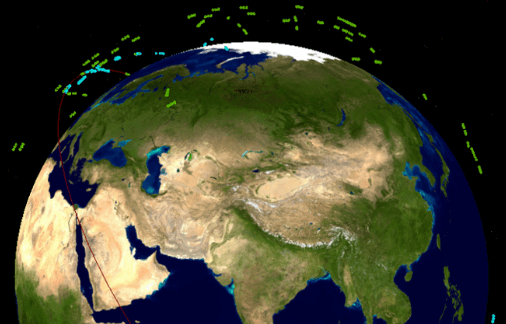
German Space Agency to use Lockheed Martin tool to track space debris
Lockheed Martin’s iSpace can track thousands of space objects, allowing operators to foresee collisions and try to avoid them.
-

Space Force unveils plans for Space Systems Command
Space Systems Command will be in charge of developing, acquiring, fielding and sustaining new capabilities for the U.S. Space Force.
-
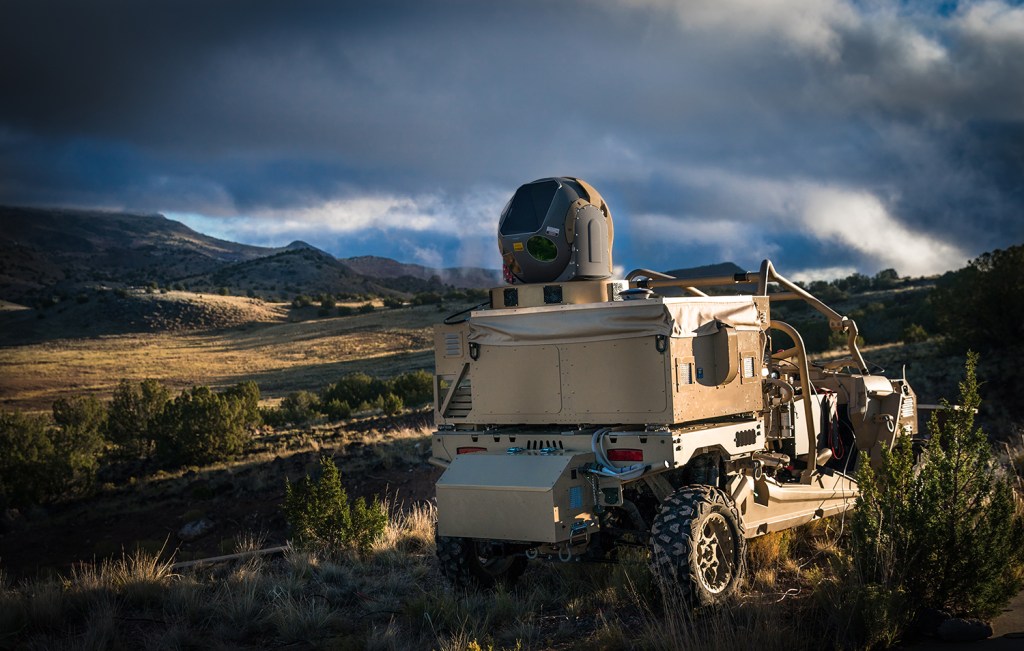
Raytheon awarded $15.5 million to upgrade laser weapon
Mounted on the back of a dune buggy, the Raytheon-built High Energy Laser Weapon System (HELWS) uses directed energy to defeat incoming unmanned aerial systems.
-

Defense Intelligence Agency continues progress on MARS database
The Machine-Assisted Analytic Rapid-Repository System (MARS) is being designed to ingest the massive amount of data collected by the intelligence community
-
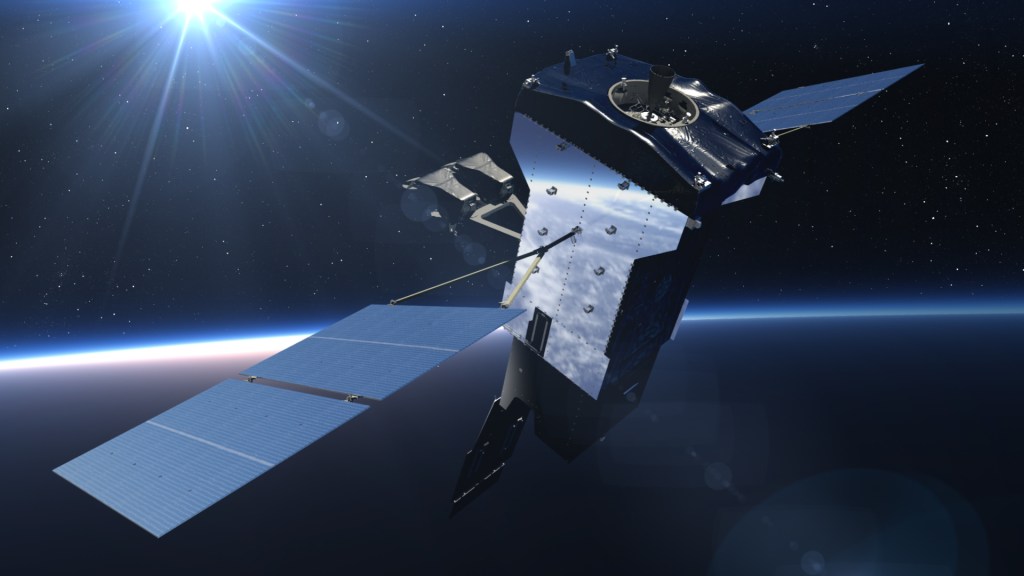
America’s next missile warning satellite arrives in Florida
The fifth Space Based Infrared System satellite was delivered to Florida ahead of an anticipated May launch.
-
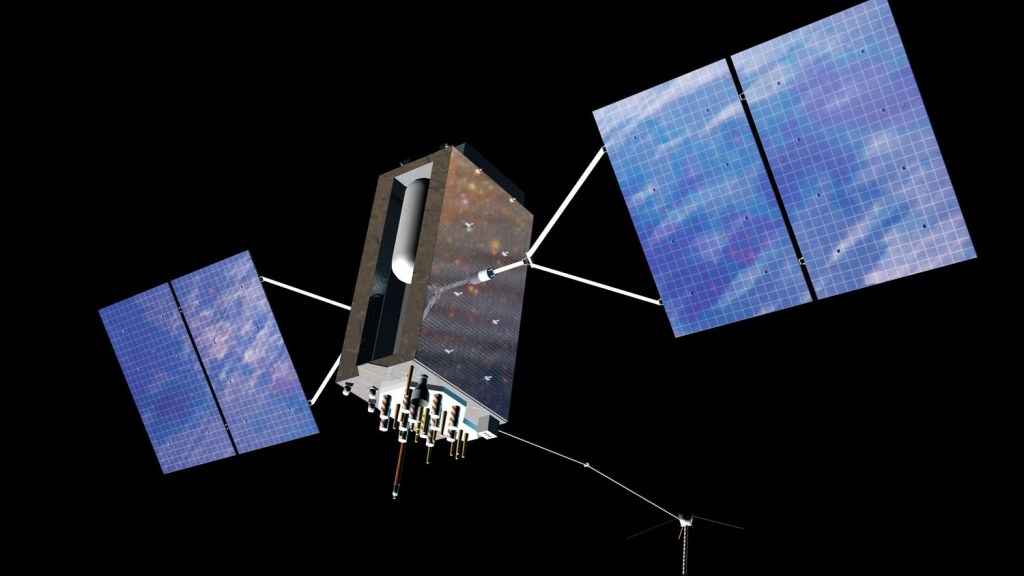
Space Force begins loaning anti-jamming GPS tech to allies
The three-year arrangement will allow allies to begin testing M-Code-ready equipment.
-
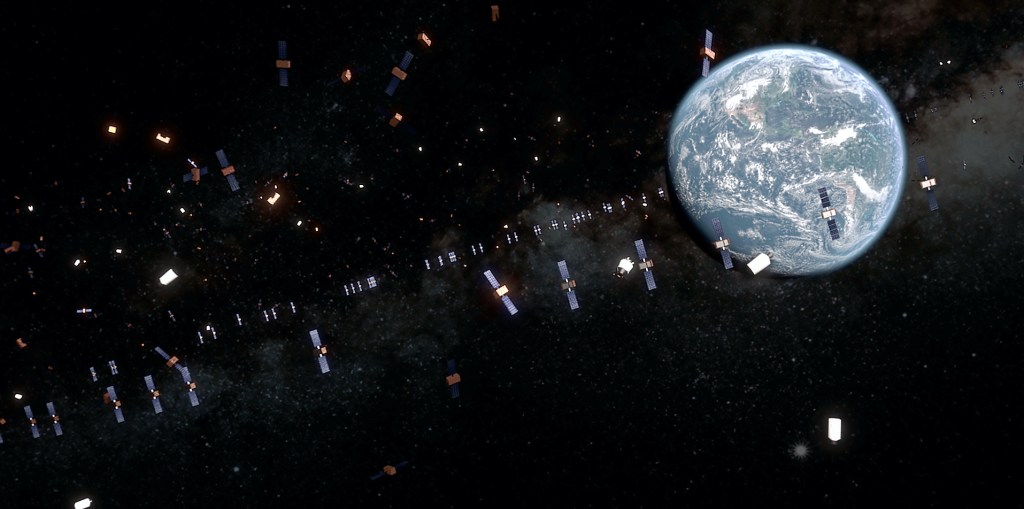
Bluestaq wins $280 million contract for space situational awareness library
Bluestaq will continue its work on the Unified Data Library, a one stop shop for space domain awareness data.
-
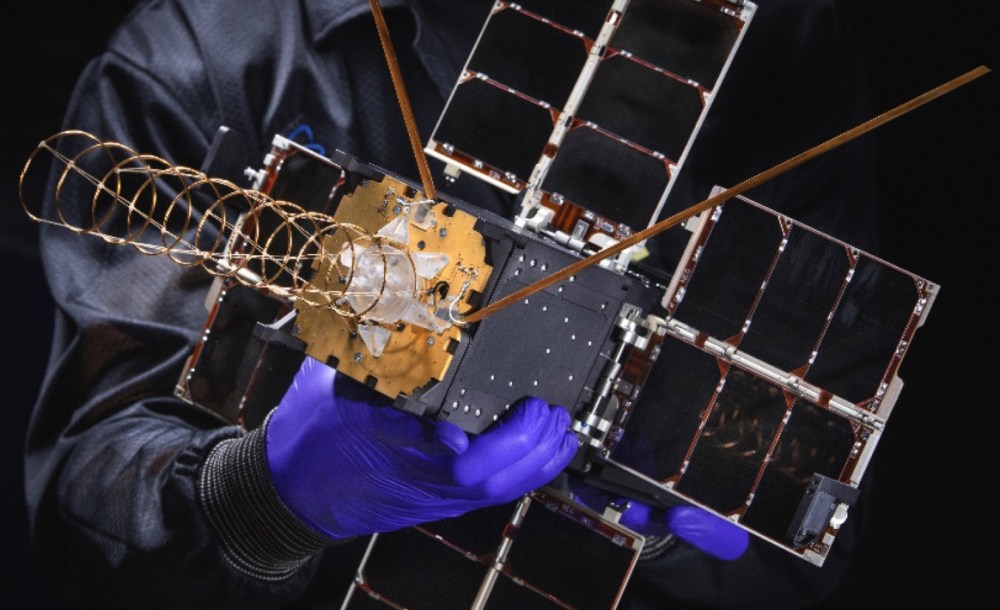
Rocket Lab launches Army satellite
Gunsmoke-J will help the Army develop tactical capabilities for the war fighter.
-
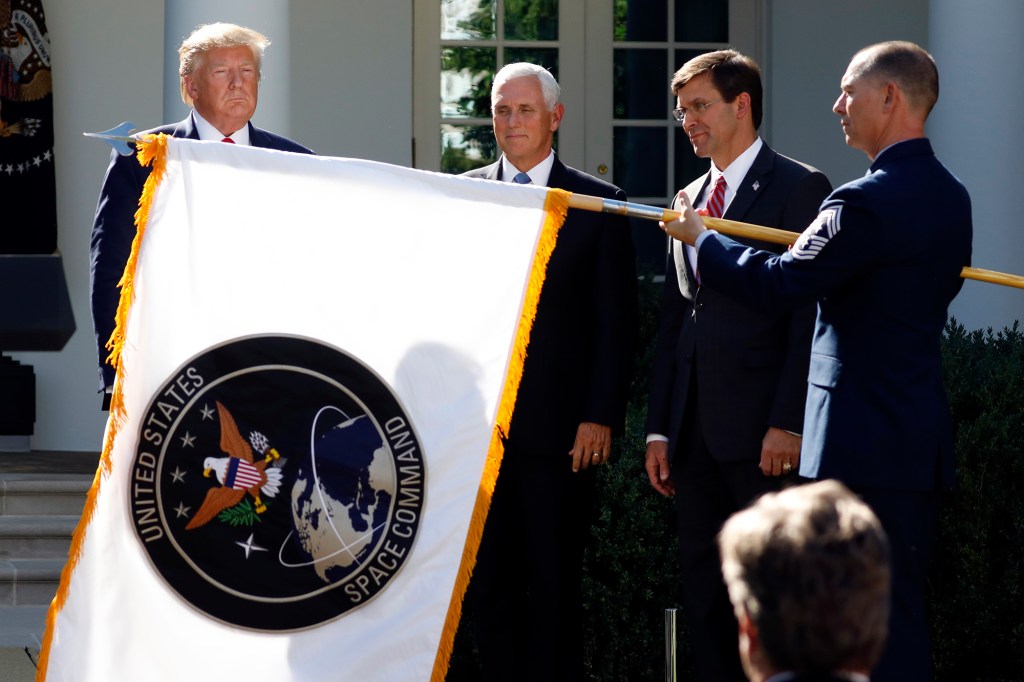
GAO to review Space Command headquarters decision
The Government Accountability Office will look into the Air Force’s decision to move Space Command’s headquarters to Huntsville, Alabama, following a request from a Colorado congressman.