-
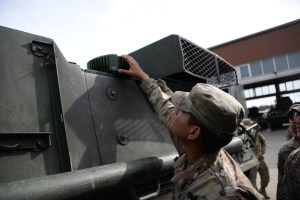
Collins Aerospace to build GPS-jamming solution for the Army
MAPS is an Army technology designed to be installed on vehicles, providing soldiers with accurate position, navigation and timing data even when the GPS signal is denied, degraded or spoofed.
-
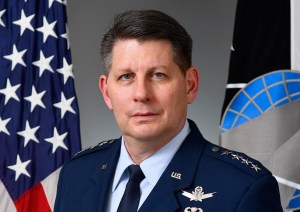
Space Force gets its first vice chief of space operations
Having effectively served as deputy to Chief of Space Operations Gen. John “Jay” Raymond since the Space Force was stood up in Dec. 2019, Gen. David Thompson is now officially number two at the nation’s newest service.
-
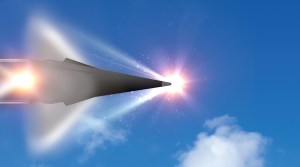
SpaceX, L3 to provide hypersonic tracking satellites for Space Development Agency
SpaceX and L3 Harris Technologies will each build four satellites with wide field of view overhead persistent infrared sensors to track hypersonic weapons.
-
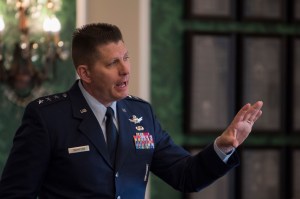
US Space Force to establish new acquisitions command in 2021
Space Systems Command will be launched sooner rather than later, says Space Force Vice Commander Lt. Gen. David Thompson, as the Space Force finalizes plans to absorb space-related organizations from the other services.
-

The Space Force doesn’t want to send a human to do a robot’s job
While the Space Force will probably send humans on orbital missions somewhere down the line, says Maj. Gen. John Shaw, the focus right now is on robotic, artificial intelligence and autonomous capabilities.
-
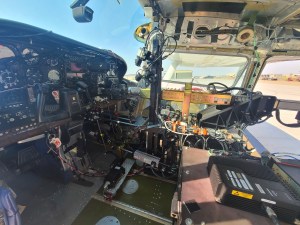
The Air Force’s robot pilot returns to the skies
The Air Force Research Laboratory’s ROBOpilot can transform manned aircraft into unmanned systems.
-
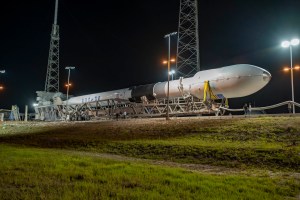
Starting in 2021, SpaceX may reuse boosters for US Space Force launches
The Space Force has issued SpaceX a contract modification that will allow the company to reuse boosters on upcoming GPS launches, resulting in savings of $53 million.
-
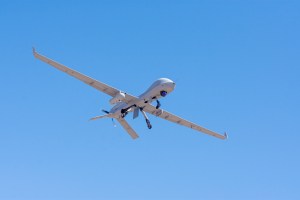
Inside the Army’s futuristic test of its battlefield artificial intelligence in the desert
At Project Convergence, U.S. Army Futures Command tested a number of emerging AI capabilities, including Prometheus, Dead Center, FIRESTORM and more.
-
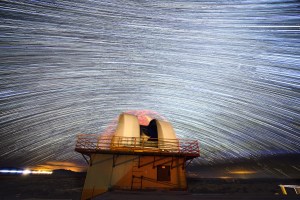
Space Force and NASA focused on cislunar space in new agreement
Under a new memorandum of understanding, the U.S. Space Force and NASA will share existing technologies for detecting objects beyond geosynchronous orbit, as well as collaborate on developing new ones.
-
How Relativity Space plans to win the Pentagon’s launch contracts
Relativity Space says its 3D printing approach will help it secure small launch contracts with the U.S. Space Force.
-
Collins Aerospace to build GPS-jamming solution for the Army
MAPS is an Army technology designed to be installed on vehicles, providing soldiers with accurate position, navigation and timing data even when the GPS signal is denied, degraded or spoofed.
-
Space Force gets its first vice chief of space operations
Having effectively served as deputy to Chief of Space Operations Gen. John “Jay” Raymond since the Space Force was stood up in Dec. 2019, Gen. David Thompson is now officially number two at the nation’s newest service.
-
SpaceX, L3 to provide hypersonic tracking satellites for Space Development Agency
SpaceX and L3 Harris Technologies will each build four satellites with wide field of view overhead persistent infrared sensors to track hypersonic weapons.
-
US Space Force to establish new acquisitions command in 2021
Space Systems Command will be launched sooner rather than later, says Space Force Vice Commander Lt. Gen. David Thompson, as the Space Force finalizes plans to absorb space-related organizations from the other services.
-
The Space Force doesn’t want to send a human to do a robot’s job
While the Space Force will probably send humans on orbital missions somewhere down the line, says Maj. Gen. John Shaw, the focus right now is on robotic, artificial intelligence and autonomous capabilities.
-
The Air Force’s robot pilot returns to the skies
The Air Force Research Laboratory’s ROBOpilot can transform manned aircraft into unmanned systems.
-
Starting in 2021, SpaceX may reuse boosters for US Space Force launches
The Space Force has issued SpaceX a contract modification that will allow the company to reuse boosters on upcoming GPS launches, resulting in savings of $53 million.
-
Inside the Army’s futuristic test of its battlefield artificial intelligence in the desert
At Project Convergence, U.S. Army Futures Command tested a number of emerging AI capabilities, including Prometheus, Dead Center, FIRESTORM and more.
-
Space Force and NASA focused on cislunar space in new agreement
Under a new memorandum of understanding, the U.S. Space Force and NASA will share existing technologies for detecting objects beyond geosynchronous orbit, as well as collaborate on developing new ones.
-
How Relativity Space plans to win the Pentagon’s launch contracts
Relativity Space says its 3D printing approach will help it secure small launch contracts with the U.S. Space Force.
-
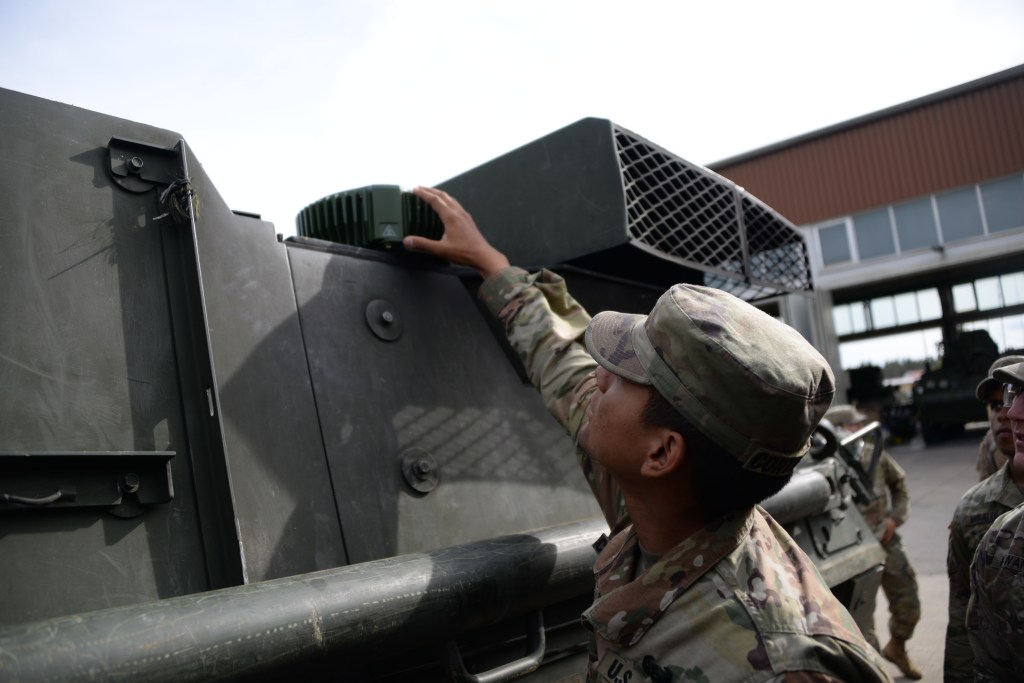
Collins Aerospace to build GPS-jamming solution for the Army
MAPS is an Army technology designed to be installed on vehicles, providing soldiers with accurate position, navigation and timing data even when the GPS signal is denied, degraded or spoofed.
-
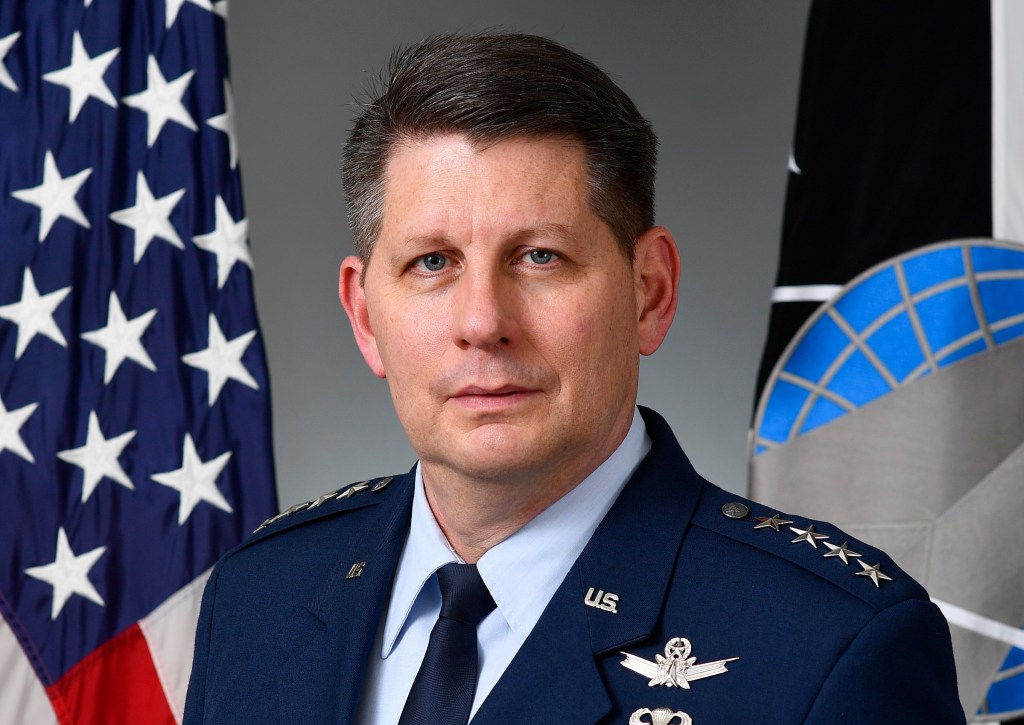
Space Force gets its first vice chief of space operations
Having effectively served as deputy to Chief of Space Operations Gen. John “Jay” Raymond since the Space Force was stood up in Dec. 2019, Gen. David Thompson is now officially number two at the nation’s newest service.
-
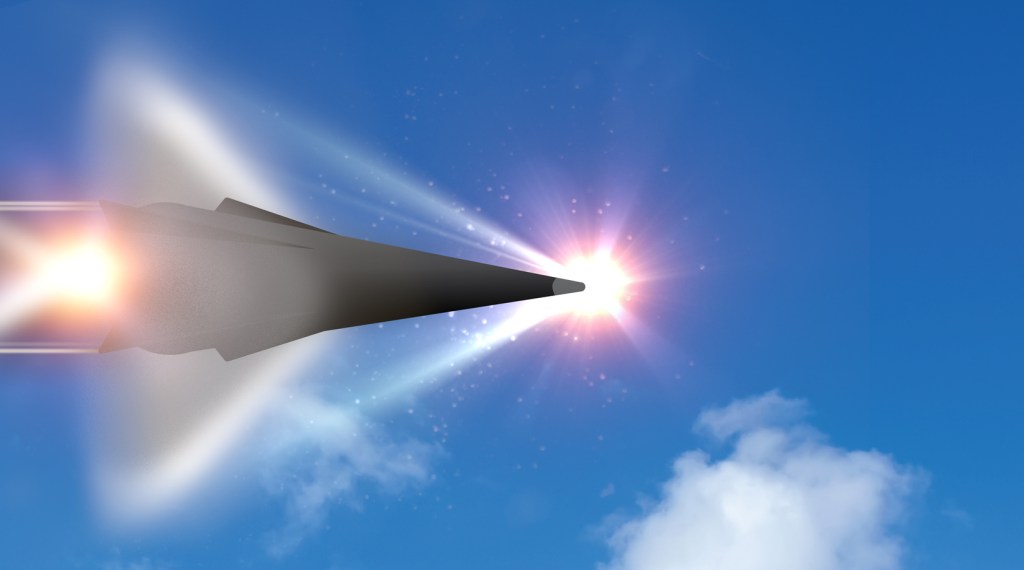
SpaceX, L3 to provide hypersonic tracking satellites for Space Development Agency
SpaceX and L3 Harris Technologies will each build four satellites with wide field of view overhead persistent infrared sensors to track hypersonic weapons.
-
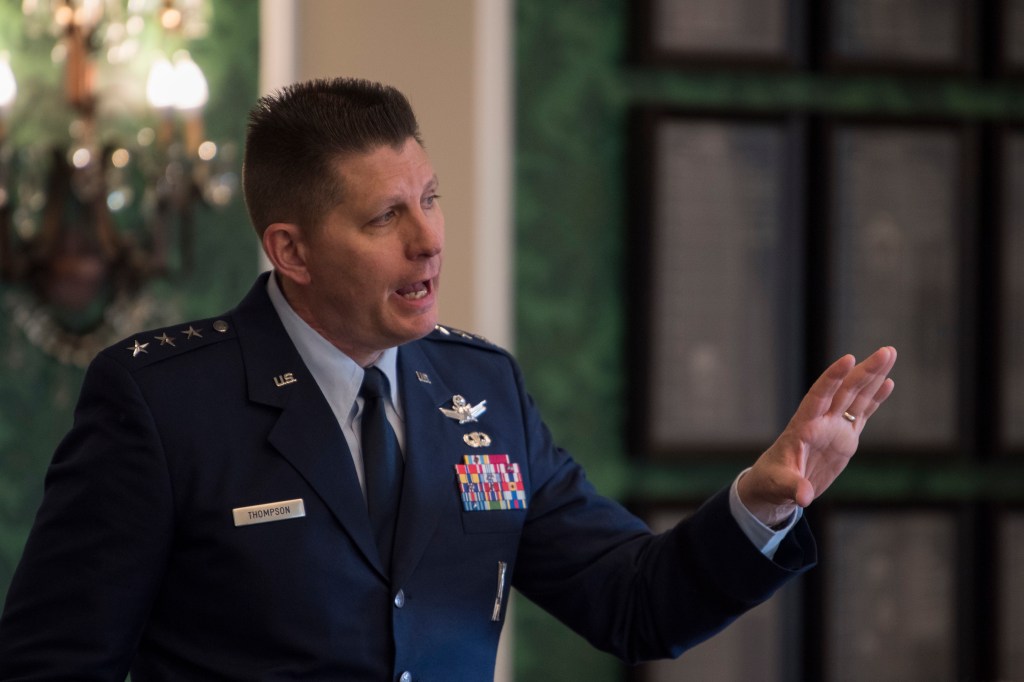
US Space Force to establish new acquisitions command in 2021
Space Systems Command will be launched sooner rather than later, says Space Force Vice Commander Lt. Gen. David Thompson, as the Space Force finalizes plans to absorb space-related organizations from the other services.
-

The Space Force doesn’t want to send a human to do a robot’s job
While the Space Force will probably send humans on orbital missions somewhere down the line, says Maj. Gen. John Shaw, the focus right now is on robotic, artificial intelligence and autonomous capabilities.
-
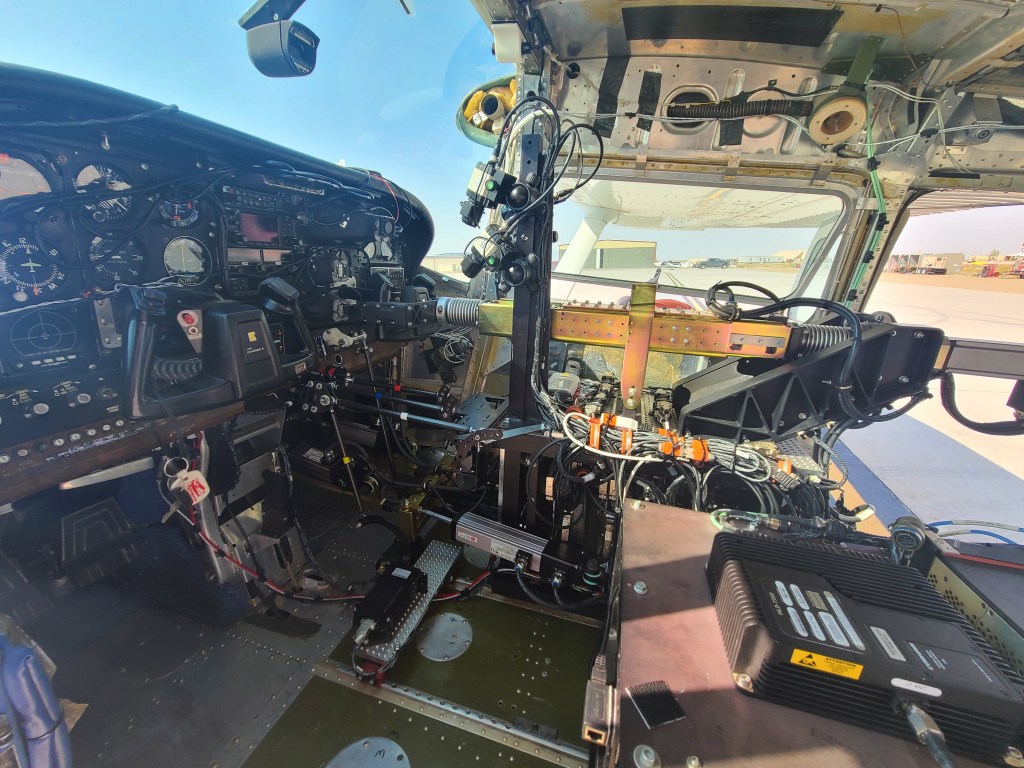
The Air Force’s robot pilot returns to the skies
The Air Force Research Laboratory’s ROBOpilot can transform manned aircraft into unmanned systems.
-
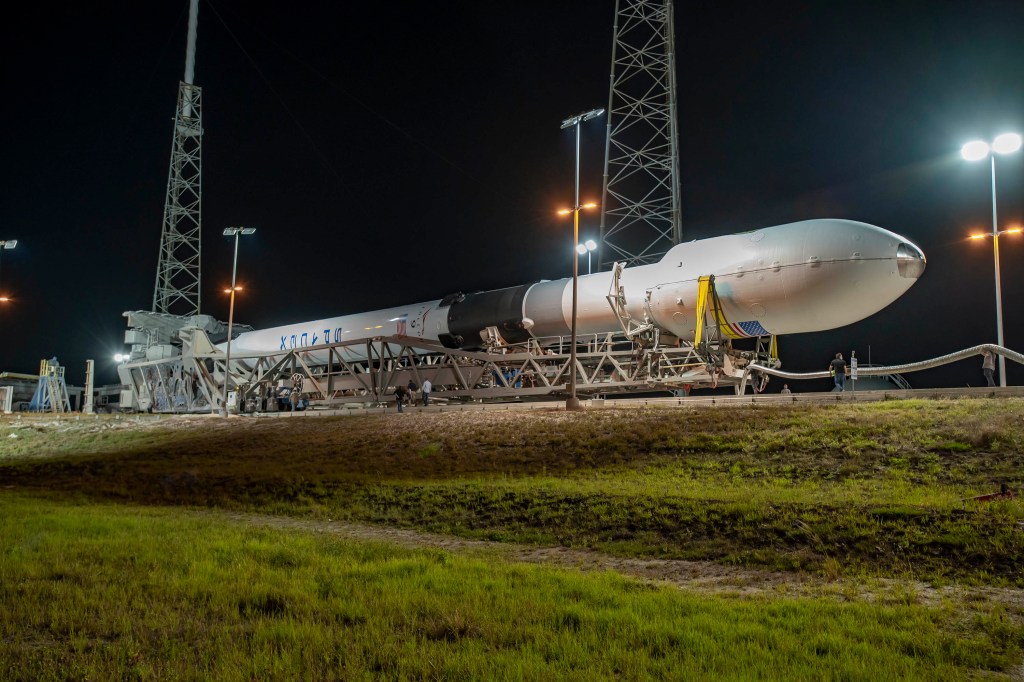
Starting in 2021, SpaceX may reuse boosters for US Space Force launches
The Space Force has issued SpaceX a contract modification that will allow the company to reuse boosters on upcoming GPS launches, resulting in savings of $53 million.
-
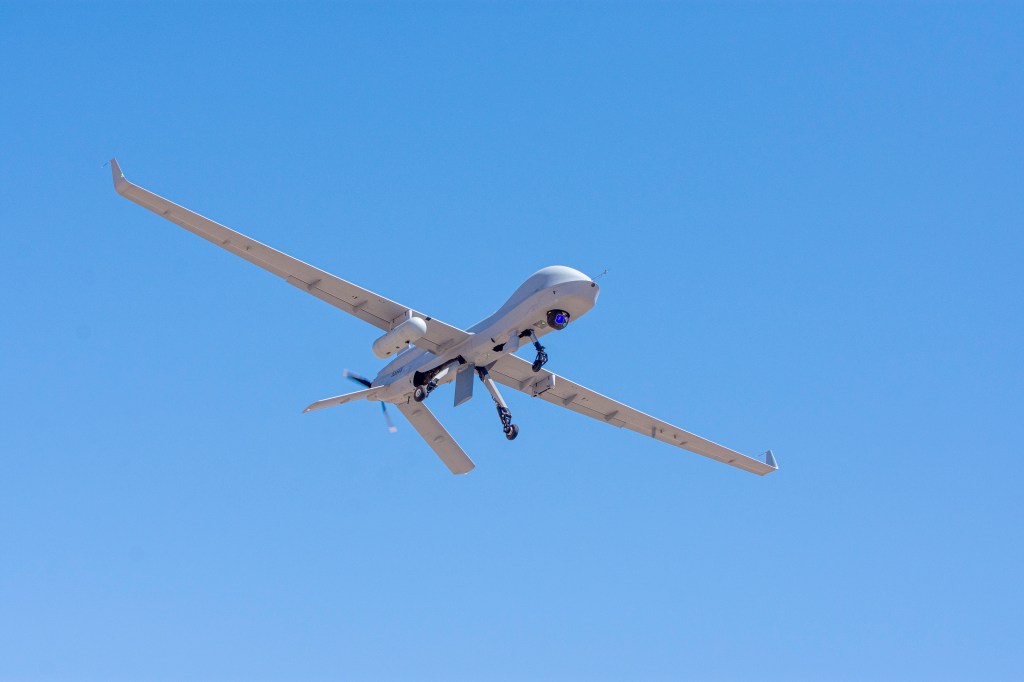
Inside the Army’s futuristic test of its battlefield artificial intelligence in the desert
At Project Convergence, U.S. Army Futures Command tested a number of emerging AI capabilities, including Prometheus, Dead Center, FIRESTORM and more.
-
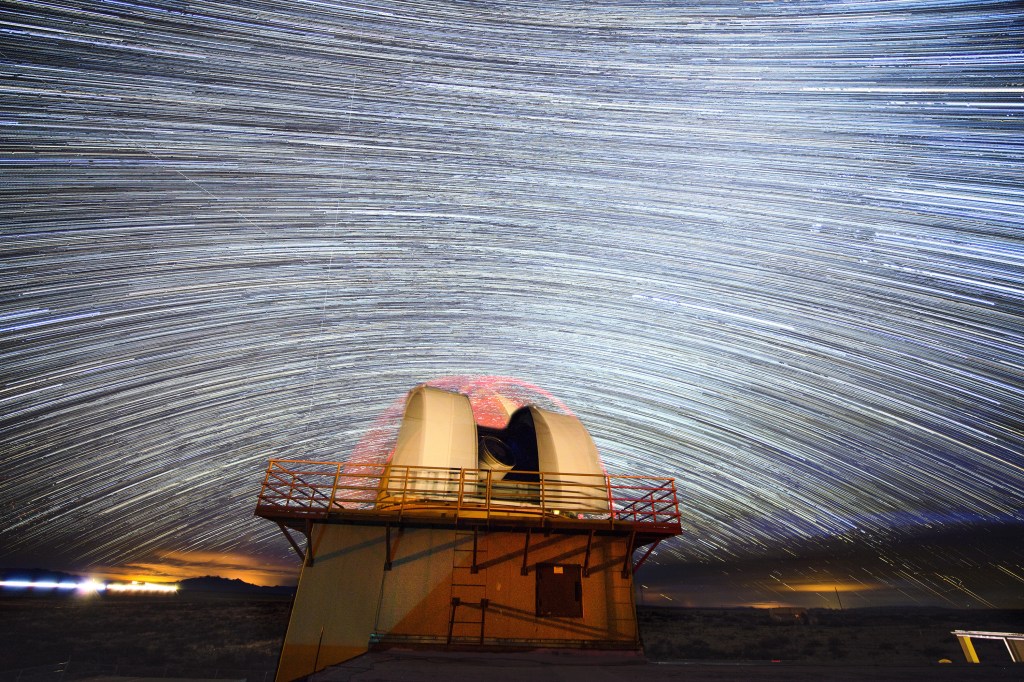
Space Force and NASA focused on cislunar space in new agreement
Under a new memorandum of understanding, the U.S. Space Force and NASA will share existing technologies for detecting objects beyond geosynchronous orbit, as well as collaborate on developing new ones.
-
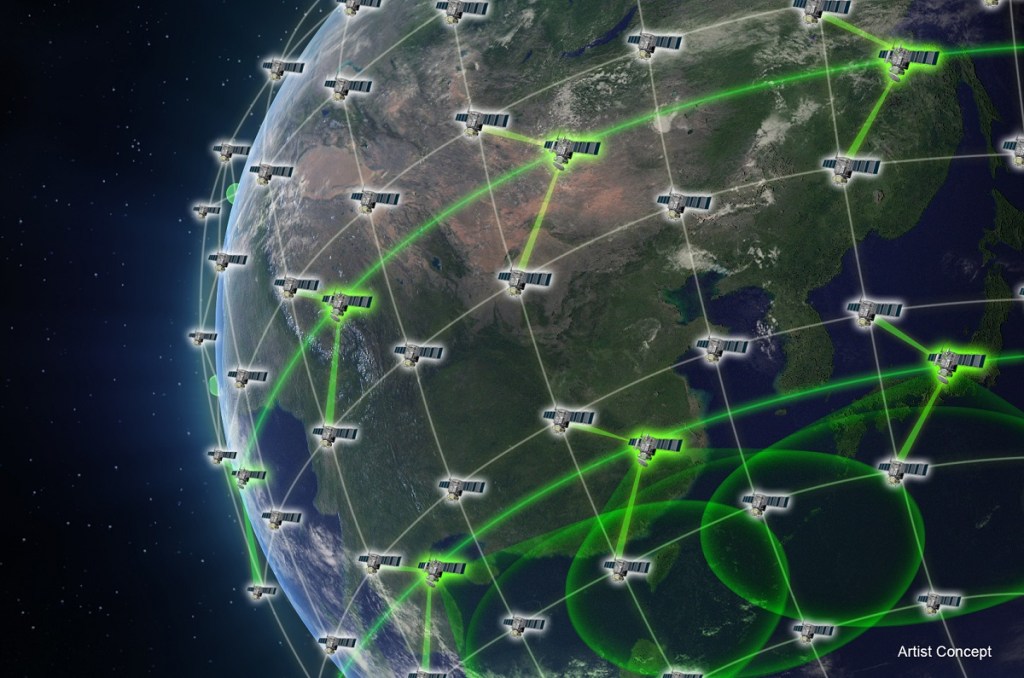
How Relativity Space plans to win the Pentagon’s launch contracts
Relativity Space says its 3D printing approach will help it secure small launch contracts with the U.S. Space Force.