-
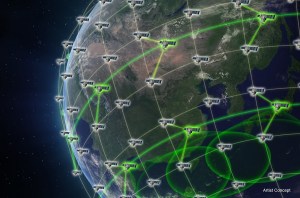
Space Development Agency’s new director is a familiar face
After serving as the Space Development Agency’s acting director since June, Derek Tournear will become the organization’s next permanent director.
-

How the Army will use satellites to track land threats in real time
The Space Development Agency is working with the Army to develop the ability to track time-sensitive ground threats from space and provide real-time information to war fighters.
-
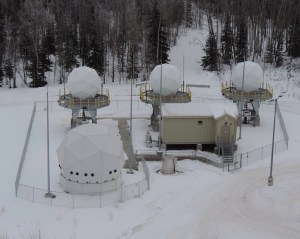
For secure communications in the Arctic, the military can now use this satellite
The Enhanced Polar System is now fully available to the military, ensuring highly secure military communications are available in the polar region.
-
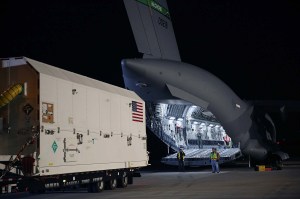
The Air Force sees progress in a GPS ground station test
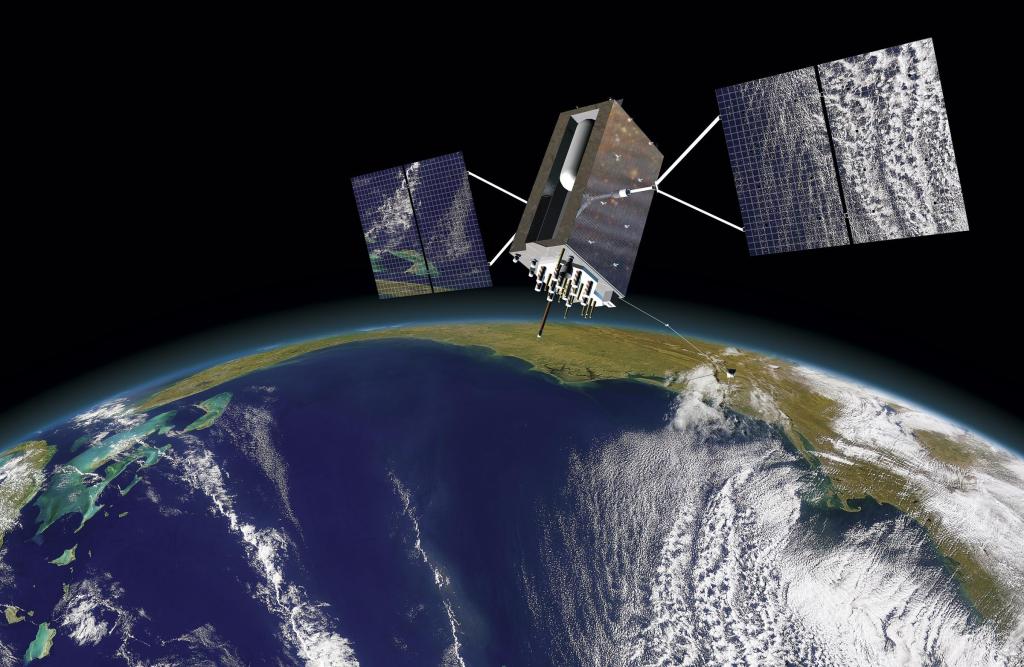
The Air Force announced that it has successfully connected to the first GPS III satellite on orbit with an interim ground system designed by Lockheed Martin.
-
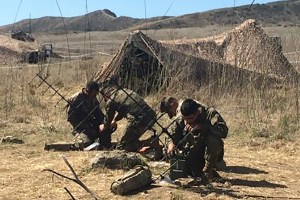
Navy’s new narrowband network ready for combat
The Mobile User Objective System has passed a major milestone and is now set for full operational use, according to the Navy.
-

BAE wins open source intelligence contract from the Army
The national security community is increasingly approaching open source intelligence as a separate and unique data type that needs attention.
-

Without GPS, will algorithms and sensors help soldiers know where they are?
Leidos’ ADEPT system uses overhead imagery to provide position, navigation and timing information in areas where GPS is blocked.
-

Planet has a new subscriber for its satellite imagery
As part of the ongoing transition of responsibility for commercial satellite imagery from the National Geospatial-Intelligence Agency to the National Reconnaissance Office, the NRO awarded Planet a contract for daily commercial imagery.
-

Why Mercury is investing $15M in microelectronics production
The investment in their Phoenix facility will allow them to build the trusted microelectronics the Department of Defense needs.
-
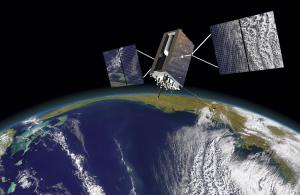
How does the Army know its new anti-spoofing antennas work?
The Army has bought Orolia’s new simulation technology that will allow them to test next generation anti-jamming, anti-spoofing antennas.
-
Space Development Agency’s new director is a familiar face
After serving as the Space Development Agency’s acting director since June, Derek Tournear will become the organization’s next permanent director.
-
How the Army will use satellites to track land threats in real time
The Space Development Agency is working with the Army to develop the ability to track time-sensitive ground threats from space and provide real-time information to war fighters.
-
For secure communications in the Arctic, the military can now use this satellite
The Enhanced Polar System is now fully available to the military, ensuring highly secure military communications are available in the polar region.
-
The Air Force sees progress in a GPS ground station test
The Air Force announced that it has successfully connected to the first GPS III satellite on orbit with an interim ground system designed by Lockheed Martin.
-
Navy’s new narrowband network ready for combat
The Mobile User Objective System has passed a major milestone and is now set for full operational use, according to the Navy.
-
BAE wins open source intelligence contract from the Army
The national security community is increasingly approaching open source intelligence as a separate and unique data type that needs attention.
-
Without GPS, will algorithms and sensors help soldiers know where they are?
Leidos’ ADEPT system uses overhead imagery to provide position, navigation and timing information in areas where GPS is blocked.
-
Planet has a new subscriber for its satellite imagery
As part of the ongoing transition of responsibility for commercial satellite imagery from the National Geospatial-Intelligence Agency to the National Reconnaissance Office, the NRO awarded Planet a contract for daily commercial imagery.
-
Why Mercury is investing $15M in microelectronics production
The investment in their Phoenix facility will allow them to build the trusted microelectronics the Department of Defense needs.
-
How does the Army know its new anti-spoofing antennas work?
The Army has bought Orolia’s new simulation technology that will allow them to test next generation anti-jamming, anti-spoofing antennas.
-
Space Development Agency’s new director is a familiar face
After serving as the Space Development Agency’s acting director since June, Derek Tournear will become the organization’s next permanent director.
-

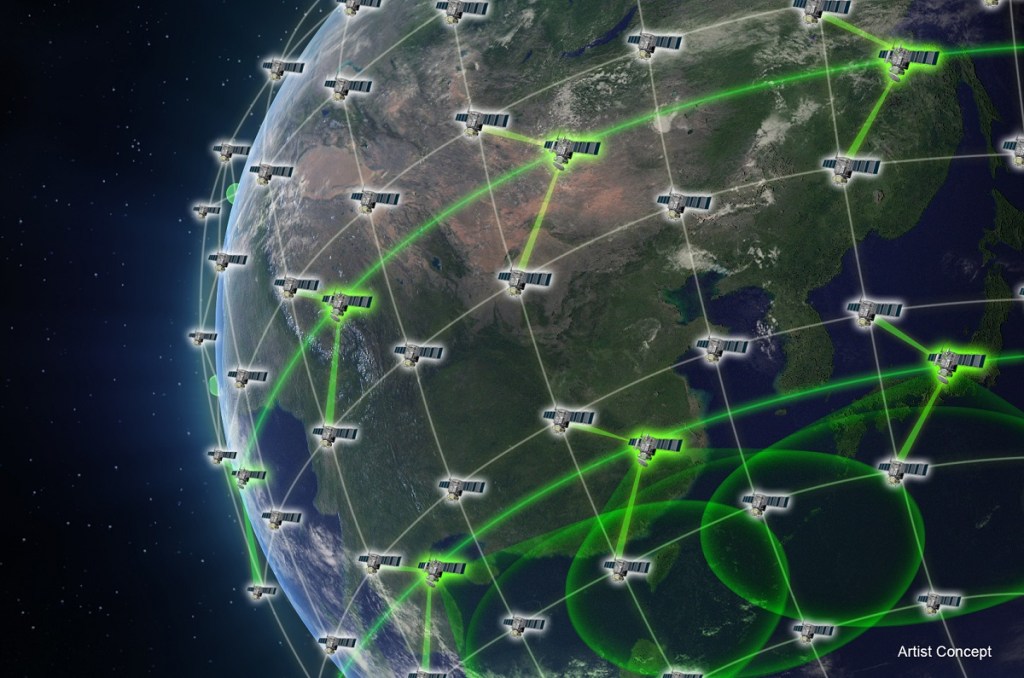
How the Army will use satellites to track land threats in real time
The Space Development Agency is working with the Army to develop the ability to track time-sensitive ground threats from space and provide real-time information to war fighters.
-
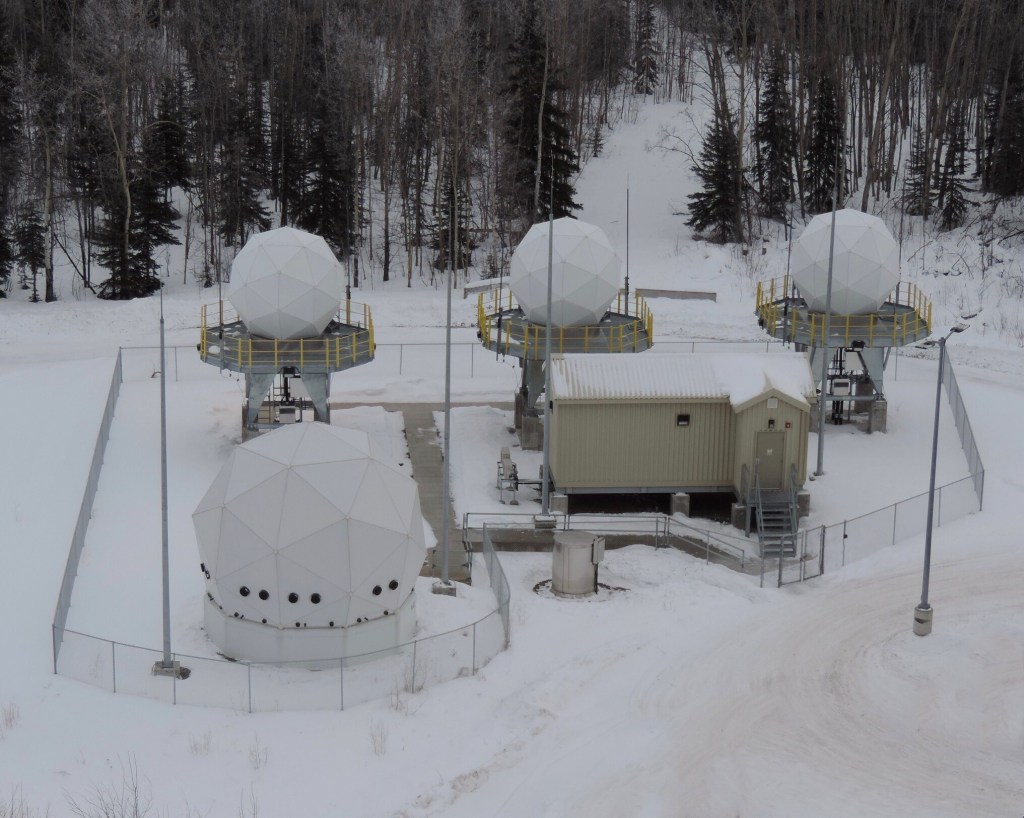
For secure communications in the Arctic, the military can now use this satellite
The Enhanced Polar System is now fully available to the military, ensuring highly secure military communications are available in the polar region.
-

The Air Force sees progress in a GPS ground station test
The Air Force announced that it has successfully connected to the first GPS III satellite on orbit with an interim ground system designed by Lockheed Martin.
-
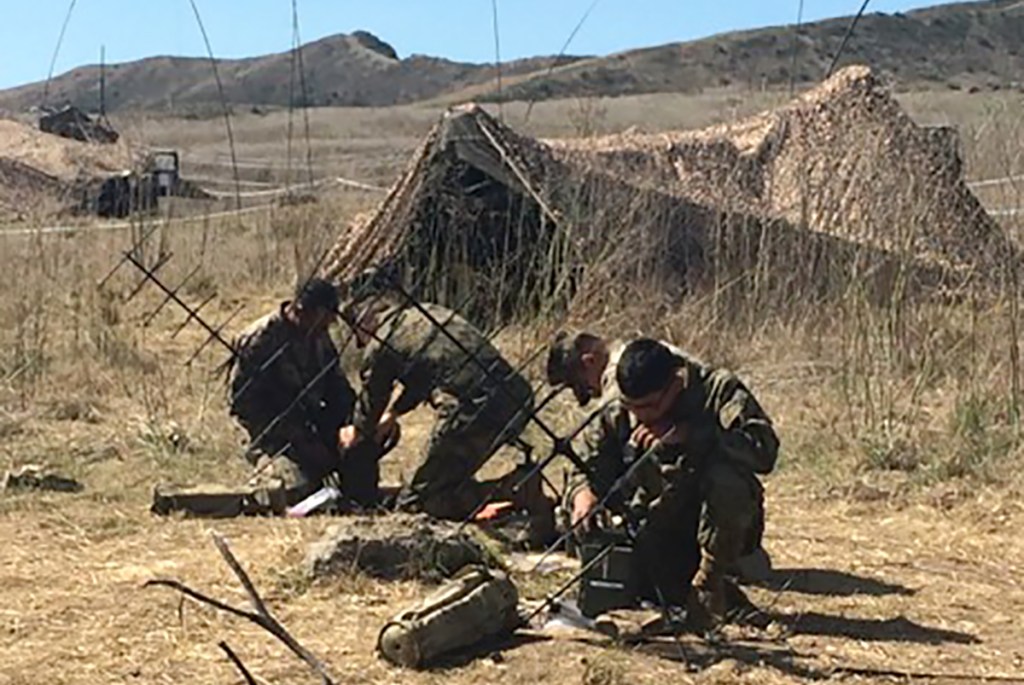
Navy’s new narrowband network ready for combat
The Mobile User Objective System has passed a major milestone and is now set for full operational use, according to the Navy.
-

BAE wins open source intelligence contract from the Army
The national security community is increasingly approaching open source intelligence as a separate and unique data type that needs attention.
-

Without GPS, will algorithms and sensors help soldiers know where they are?
Leidos’ ADEPT system uses overhead imagery to provide position, navigation and timing information in areas where GPS is blocked.
-

Planet has a new subscriber for its satellite imagery
As part of the ongoing transition of responsibility for commercial satellite imagery from the National Geospatial-Intelligence Agency to the National Reconnaissance Office, the NRO awarded Planet a contract for daily commercial imagery.
-

Why Mercury is investing $15M in microelectronics production
The investment in their Phoenix facility will allow them to build the trusted microelectronics the Department of Defense needs.
-
How does the Army know its new anti-spoofing antennas work?
The Army has bought Orolia’s new simulation technology that will allow them to test next generation anti-jamming, anti-spoofing antennas.