-

Is the FY24 NDAA a missed opportunity for AUKUS technology sharing?
There are two things the administration should do to keep the process on track and produce usable ITAR exemptions with greater technology sharing.
-

Senate OKs 11 four-star nominees, ending ongoing nomination fight
The senior officials were the last remaining individuals involved in the protest by a Republican senator over the Pentagon’s abortion access policy.
-

The US needs more munitions to deter China
The U.S. risks being drawn into fights in three regions at the same time. This will be more than the U.S. can manage with its current munitions stores.
-

Policy bill backs new revenue streams for US Space Force launch ranges
The NDAA includes a provision that allows the Space Force to collect additional fees from commercial companies that operate at its space launch ranges.
-

Congress demands quicker fielding of hypersonic weapons interceptor
Lawmakers have mandated the Pentagon field a defensive hypersonic interceptor several years earlier than current Defense Department estimates.
-
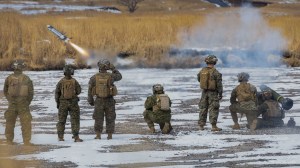
Biden to use last of Ukraine funds this month if Congress fails to act
A notification obtained by Defense News shows how Biden plans to spend the last $1 billion in Ukraine military aid, unless Congress passes new assistance.
-

Space Force budget must keep growing to support mission, Thompson says
Gen. David Thompson, outgoing vice chief of space operations, told C4ISRNET the Space Force’s budget needs to keep pace with its mission growth.
-
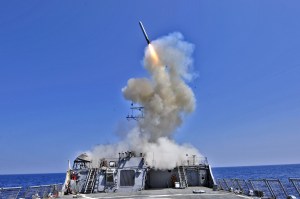
Congress passed the FY24 defense policy bill: Here’s what’s inside
Congress just passed the FY24 National Defense Authorization Act. Here’s a look at some key provisions.
-

Del Toro’s case for funding the US Navy and Marine Corps
As perilous as the state of affairs may seem, things might soon get dramatically and demonstrably worse with sequestration, the Navy secretary argues.
-

Senate passes final defense policy bill
The compromise bill authorizes limited assistance for Ukraine, implements AUKUS and institutionalizes a nuclear weapon.
-
Is the FY24 NDAA a missed opportunity for AUKUS technology sharing?
There are two things the administration should do to keep the process on track and produce usable ITAR exemptions with greater technology sharing.
-
Senate OKs 11 four-star nominees, ending ongoing nomination fight
The senior officials were the last remaining individuals involved in the protest by a Republican senator over the Pentagon’s abortion access policy.
-
The US needs more munitions to deter China
The U.S. risks being drawn into fights in three regions at the same time. This will be more than the U.S. can manage with its current munitions stores.
-
Policy bill backs new revenue streams for US Space Force launch ranges
The NDAA includes a provision that allows the Space Force to collect additional fees from commercial companies that operate at its space launch ranges.
-
Congress demands quicker fielding of hypersonic weapons interceptor
Lawmakers have mandated the Pentagon field a defensive hypersonic interceptor several years earlier than current Defense Department estimates.
-
Biden to use last of Ukraine funds this month if Congress fails to act
A notification obtained by Defense News shows how Biden plans to spend the last $1 billion in Ukraine military aid, unless Congress passes new assistance.
-
Space Force budget must keep growing to support mission, Thompson says
Gen. David Thompson, outgoing vice chief of space operations, told C4ISRNET the Space Force’s budget needs to keep pace with its mission growth.
-
Congress passed the FY24 defense policy bill: Here’s what’s inside
Congress just passed the FY24 National Defense Authorization Act. Here’s a look at some key provisions.
-
Del Toro’s case for funding the US Navy and Marine Corps
As perilous as the state of affairs may seem, things might soon get dramatically and demonstrably worse with sequestration, the Navy secretary argues.
-
Senate passes final defense policy bill
The compromise bill authorizes limited assistance for Ukraine, implements AUKUS and institutionalizes a nuclear weapon.
-
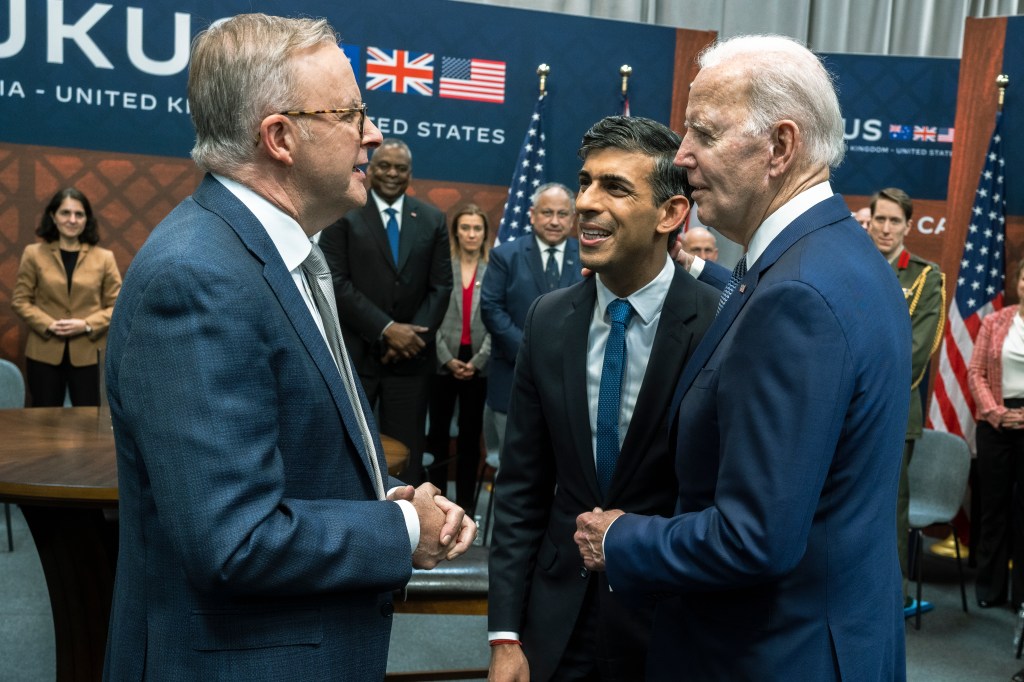
Is the FY24 NDAA a missed opportunity for AUKUS technology sharing?
There are two things the administration should do to keep the process on track and produce usable ITAR exemptions with greater technology sharing.
-

Senate OKs 11 four-star nominees, ending ongoing nomination fight
The senior officials were the last remaining individuals involved in the protest by a Republican senator over the Pentagon’s abortion access policy.
-

The US needs more munitions to deter China
The U.S. risks being drawn into fights in three regions at the same time. This will be more than the U.S. can manage with its current munitions stores.
-

Policy bill backs new revenue streams for US Space Force launch ranges
The NDAA includes a provision that allows the Space Force to collect additional fees from commercial companies that operate at its space launch ranges.
-
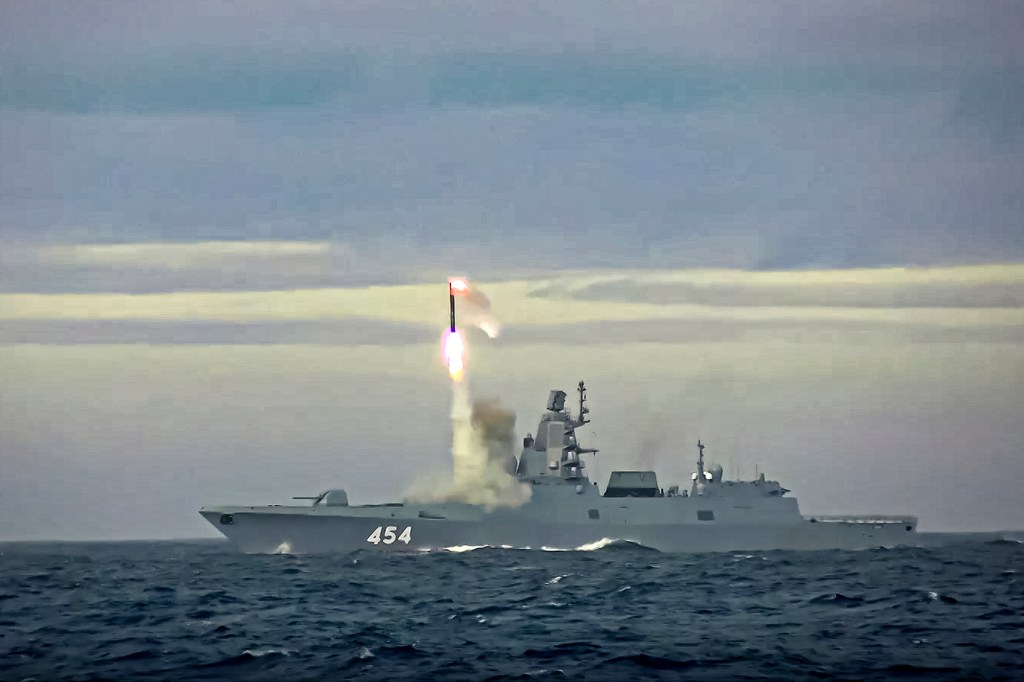
Congress demands quicker fielding of hypersonic weapons interceptor
Lawmakers have mandated the Pentagon field a defensive hypersonic interceptor several years earlier than current Defense Department estimates.
-
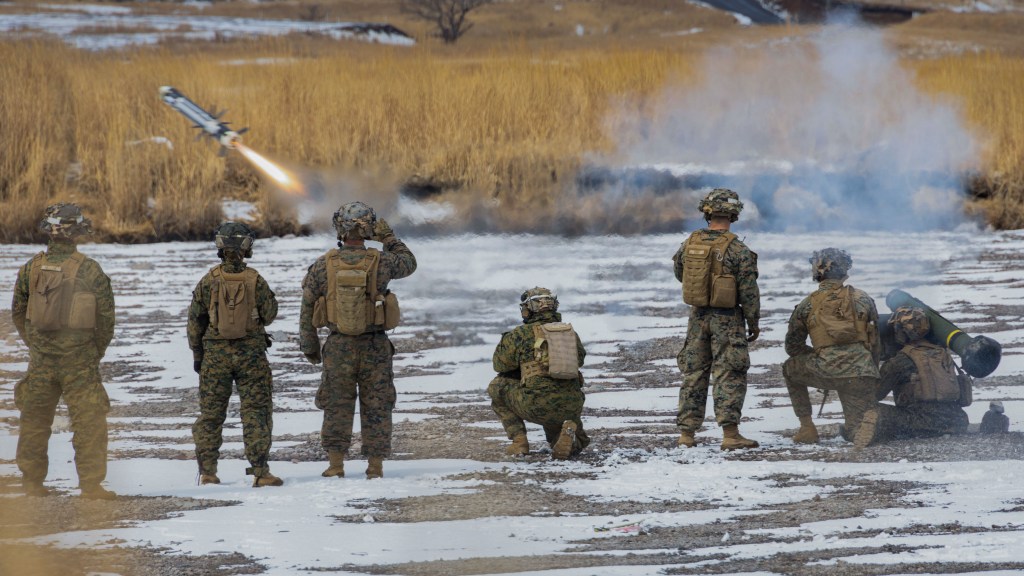
Biden to use last of Ukraine funds this month if Congress fails to act
A notification obtained by Defense News shows how Biden plans to spend the last $1 billion in Ukraine military aid, unless Congress passes new assistance.
-

Space Force budget must keep growing to support mission, Thompson says
Gen. David Thompson, outgoing vice chief of space operations, told C4ISRNET the Space Force’s budget needs to keep pace with its mission growth.
-
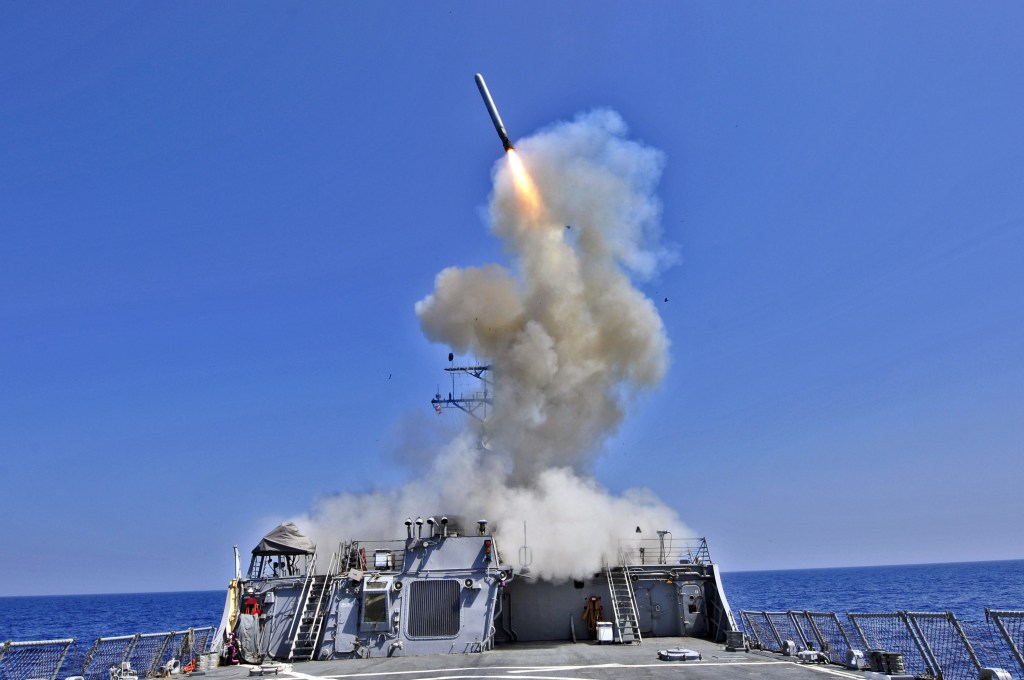
Congress passed the FY24 defense policy bill: Here’s what’s inside
Congress just passed the FY24 National Defense Authorization Act. Here’s a look at some key provisions.
-

Del Toro’s case for funding the US Navy and Marine Corps
As perilous as the state of affairs may seem, things might soon get dramatically and demonstrably worse with sequestration, the Navy secretary argues.
-

Senate passes final defense policy bill
The compromise bill authorizes limited assistance for Ukraine, implements AUKUS and institutionalizes a nuclear weapon.