PARIS — Fresh off its acquisition of Exelis, Harris CEO William Brown hit the Paris Air Show focused on creating the right corporate structure for the new company.
“The first thing we’re focused on is putting the company together, getting the right organizational model, building the right leadership team. That’s top of the line for me,” Brown told Defense News during a sit-down at Le Bourget.
“Through that process, my mantra to the team is: We’ve got to keep focused on the customer. In an integration effort like this, it’s very easy to get distracted by internal things and lose sight of what the customer’s asking for and the customer’s defense mission,” he said. “We know that’s going to help us grow the top line over time.”
Unlike some of Harris’ previous deals, where the radio and communications company tried to acquire capabilities they weren’t very familiar with, Exelis’ emphasis on technology meshes nicely with Harris’ expertise, he said.
“It’s a great fit. We’re in the same space. We sell to the same customer. We have the same sort of focus on technology and doing the right thing for the customer,” he said. “I don’t see a whole lot of cultural adaptations or adjustments to what we as a company want to do moving forward.”
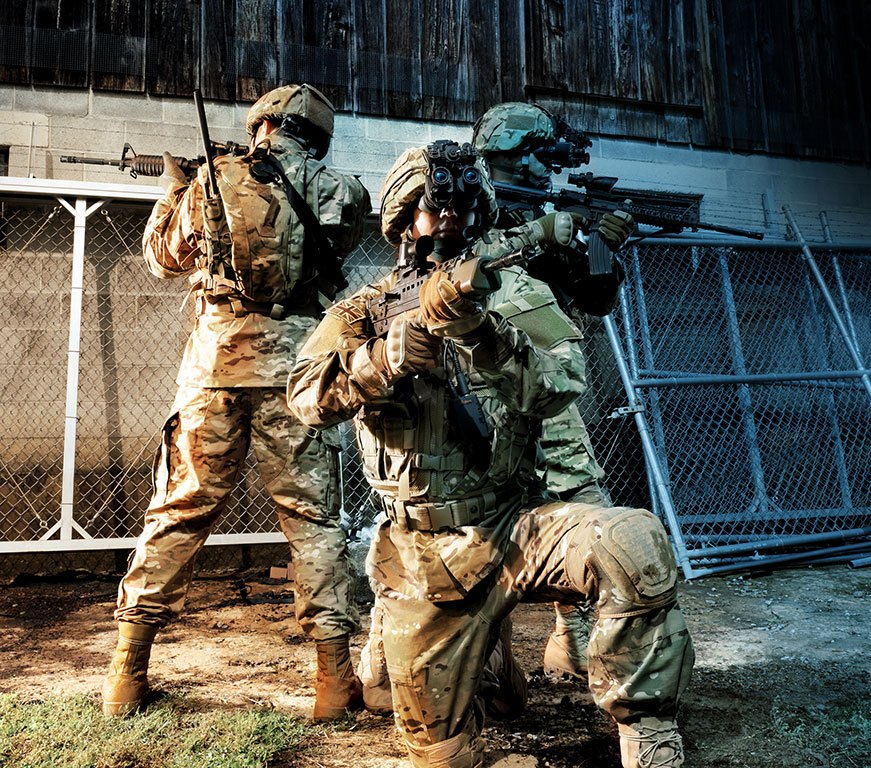
Brown said he sees opportunities in combining Exelis’ night vision technology with Harris’ Falcon III radio, noting that Exelis already had some sales in pairing its night vision with other technologies.
Harris’ relatively low profile at the Paris Air Show doesn’t stand out as much as it might, as many analysts anticipated the show would produce few blockbuster announcements or introductions.
Brown said he is spending his time consulting with his peers about the new company’s capabilities and opportunities, and meeting and building connections with former Exelis employees.
“It’s still new, the ink’s not dry” on the merger, he said. “This is the new Harris. We have an opportunity to talk to a number of industry and government partners about what our new company is about.”
Brown is bullish on Harris’ outlook, in part because of the company’s recent success in winning a part of the Rifleman Radio competition. He also thinks the US defense budget is going to improve modestly over time. Funding long-term programs through oversees contingency operations funding doesn’t make sense, and Brown sees consensus building towards setting aside the budget caps put into place under 2011’s Budget Control Act.
“When we look at it, we see the budget getting modestly better over time,” he said. “For any company, though, it’s really specific to how those dollars flow into your programs. Instead of looking at just a top-line number, you have to look behind the scenes to see how that trickles down into things that affect your company. And from that perspective, we are feeling incrementally better than we were a year or two or three ago.”