-
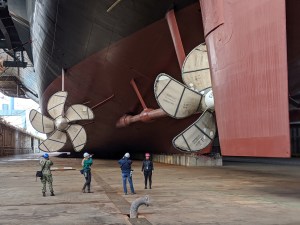
How to ensure the defense-industrial base and supply chain resiliency
Here are several recommendations for actionable policies that could contribute to the long-term health and resiliency of the industrial base.
-
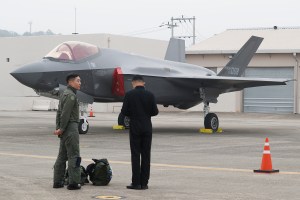
US State Department approves South Korea to buy 25 more F-35A jets
The potential deal is estimated to be worth more than $5 billion.
-

US seizes initiative on space security for the first time in decades
The world is on Washington’s side to help make space more secure and sustainable, if only it has the political will to lead.
-

Bass warns airmen to prepare for asymmetric warfare
The chief master sergeant of the Air Force warned airmen not to underestimate the cyber and information domains as drivers and amplifiers of conflict.
-

What new federal cybersecurity policy means for government contractors
The most controversial section calls for holding software companies liable for producing insecure code.
-

Argentina buys P-3 Orion maritime patrol aircraft from Norway
Three are fitted for maritime surveillance, anti-submarine and anti-surface missions, and one is designed for search and rescue operations.
-
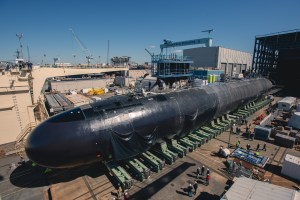
The US Navy is spending billions to stabilize vendors. Will it work?
Find out how the U.S. submarine-industrial base is faring after $2.3 billion went toward shoring up two shipbuilders and their thousands of suppliers.
-
Allies target early AUKUS milestones to keep 20-year plan on track
Australia, the U.K. and the U.S. have been hard at work since March to get the decades-long AUKUS submarine collaboration plan off to a strong start.
-
The avoidable consequences of a government shutdown
The real hostages, and eventual losers in this blame game, are not elected officials or single issues of contention; they are American taxpayers.
-
AUKUS standoff: Australia, UK wait on Congress to approve pact
AUKUS was announced two years ago. Now Congress must pass several bills to make the pact work, from export controls to submarine transfer authorities.
-
How to ensure the defense-industrial base and supply chain resiliency
Here are several recommendations for actionable policies that could contribute to the long-term health and resiliency of the industrial base.
-
US State Department approves South Korea to buy 25 more F-35A jets
The potential deal is estimated to be worth more than $5 billion.
-
US seizes initiative on space security for the first time in decades
The world is on Washington’s side to help make space more secure and sustainable, if only it has the political will to lead.
-
Bass warns airmen to prepare for asymmetric warfare
The chief master sergeant of the Air Force warned airmen not to underestimate the cyber and information domains as drivers and amplifiers of conflict.
-
What new federal cybersecurity policy means for government contractors
The most controversial section calls for holding software companies liable for producing insecure code.
-
Argentina buys P-3 Orion maritime patrol aircraft from Norway
Three are fitted for maritime surveillance, anti-submarine and anti-surface missions, and one is designed for search and rescue operations.
-
The US Navy is spending billions to stabilize vendors. Will it work?
Find out how the U.S. submarine-industrial base is faring after $2.3 billion went toward shoring up two shipbuilders and their thousands of suppliers.
-
Allies target early AUKUS milestones to keep 20-year plan on track
Australia, the U.K. and the U.S. have been hard at work since March to get the decades-long AUKUS submarine collaboration plan off to a strong start.
-
The avoidable consequences of a government shutdown
The real hostages, and eventual losers in this blame game, are not elected officials or single issues of contention; they are American taxpayers.
-
AUKUS standoff: Australia, UK wait on Congress to approve pact
AUKUS was announced two years ago. Now Congress must pass several bills to make the pact work, from export controls to submarine transfer authorities.
-
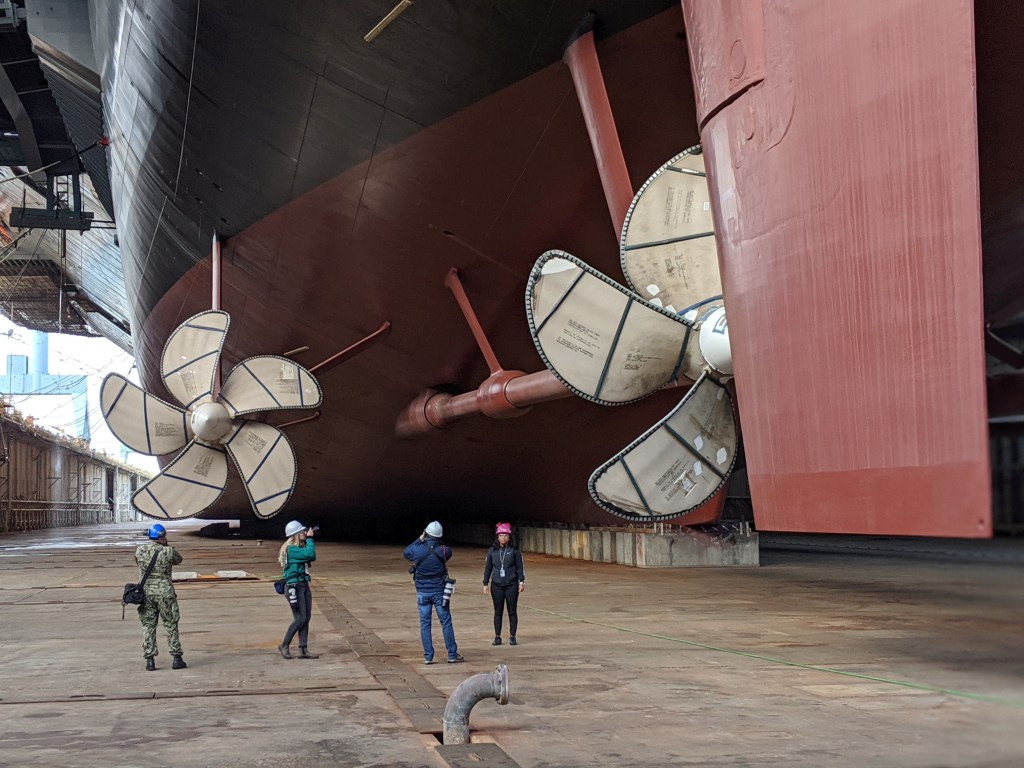
How to ensure the defense-industrial base and supply chain resiliency
Here are several recommendations for actionable policies that could contribute to the long-term health and resiliency of the industrial base.
-
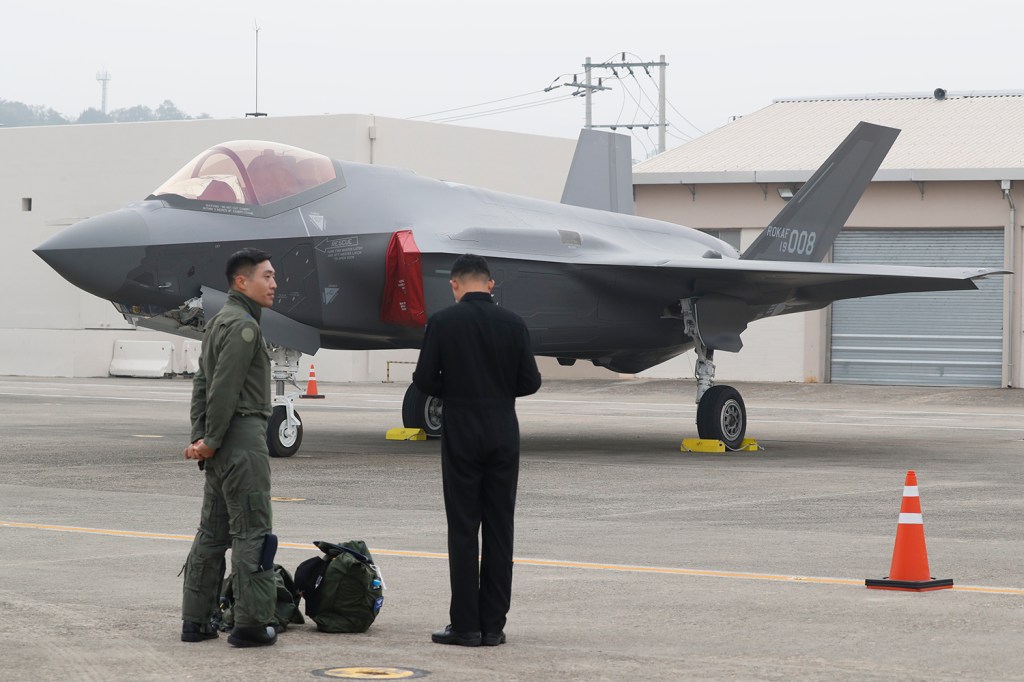
US State Department approves South Korea to buy 25 more F-35A jets
The potential deal is estimated to be worth more than $5 billion.
-

US seizes initiative on space security for the first time in decades
The world is on Washington’s side to help make space more secure and sustainable, if only it has the political will to lead.
-

Bass warns airmen to prepare for asymmetric warfare
The chief master sergeant of the Air Force warned airmen not to underestimate the cyber and information domains as drivers and amplifiers of conflict.
-

What new federal cybersecurity policy means for government contractors
The most controversial section calls for holding software companies liable for producing insecure code.
-
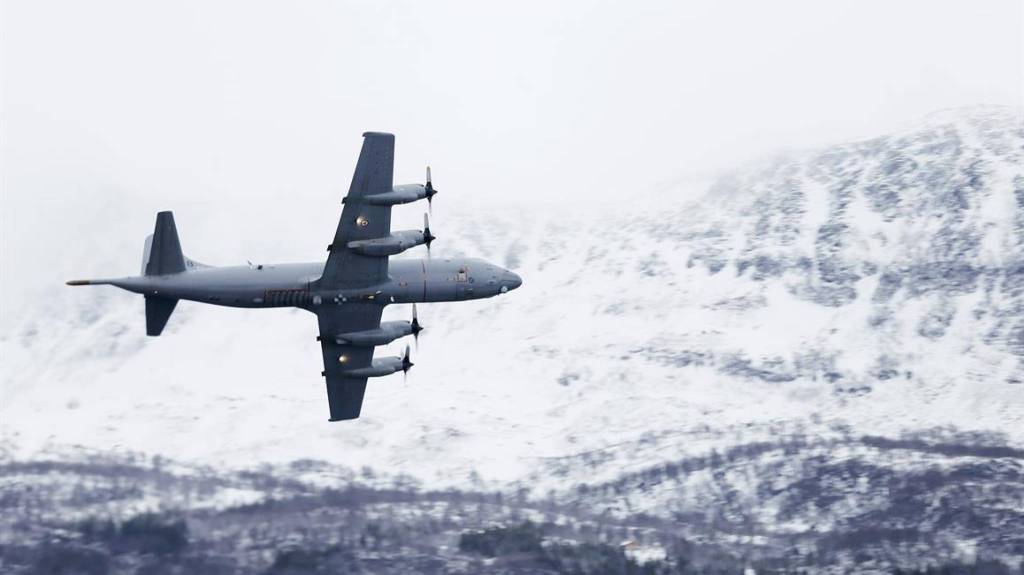
Argentina buys P-3 Orion maritime patrol aircraft from Norway
Three are fitted for maritime surveillance, anti-submarine and anti-surface missions, and one is designed for search and rescue operations.
-
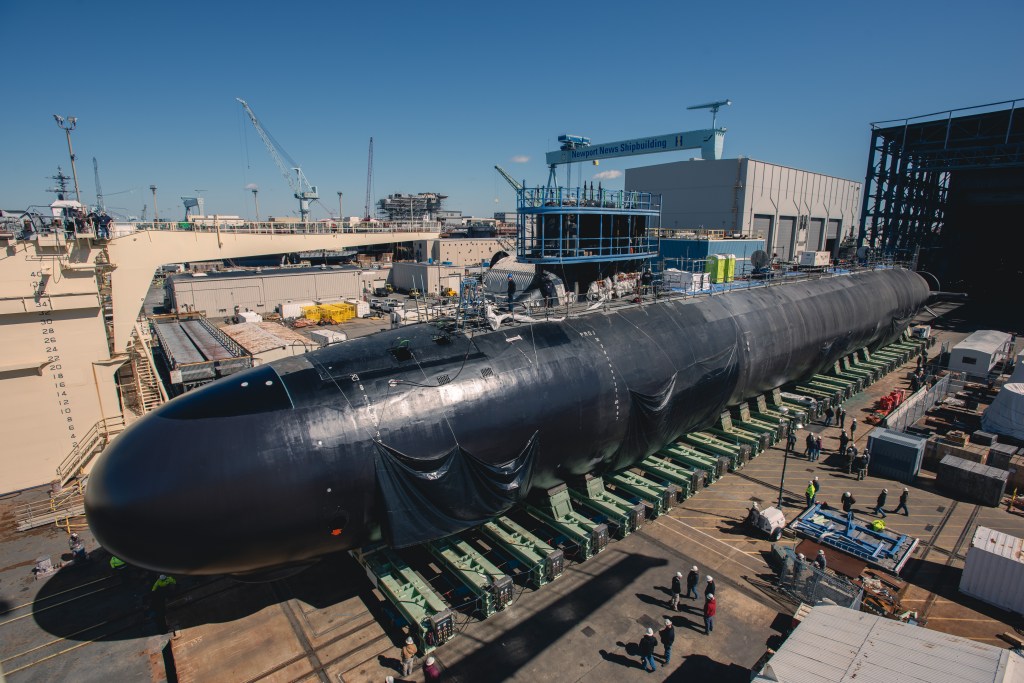
The US Navy is spending billions to stabilize vendors. Will it work?
Find out how the U.S. submarine-industrial base is faring after $2.3 billion went toward shoring up two shipbuilders and their thousands of suppliers.
-
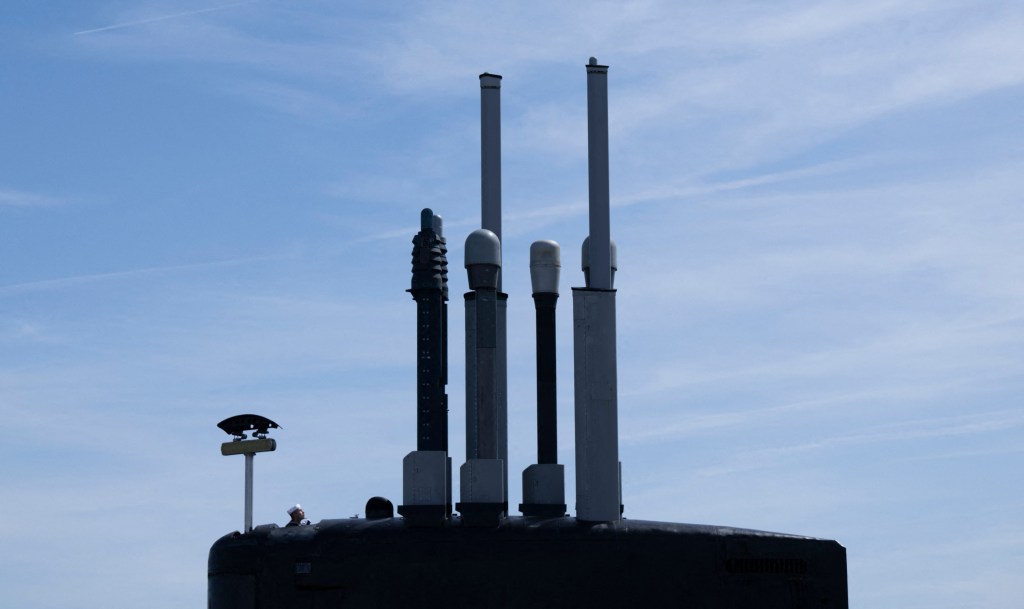
Allies target early AUKUS milestones to keep 20-year plan on track
Australia, the U.K. and the U.S. have been hard at work since March to get the decades-long AUKUS submarine collaboration plan off to a strong start.
-
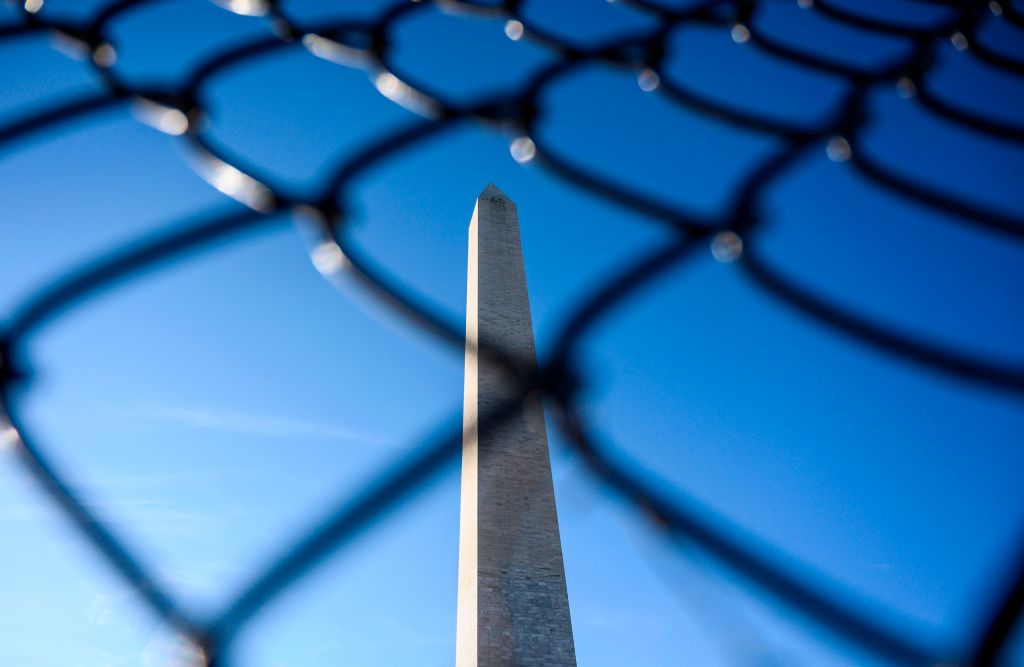
The avoidable consequences of a government shutdown
The real hostages, and eventual losers in this blame game, are not elected officials or single issues of contention; they are American taxpayers.
-
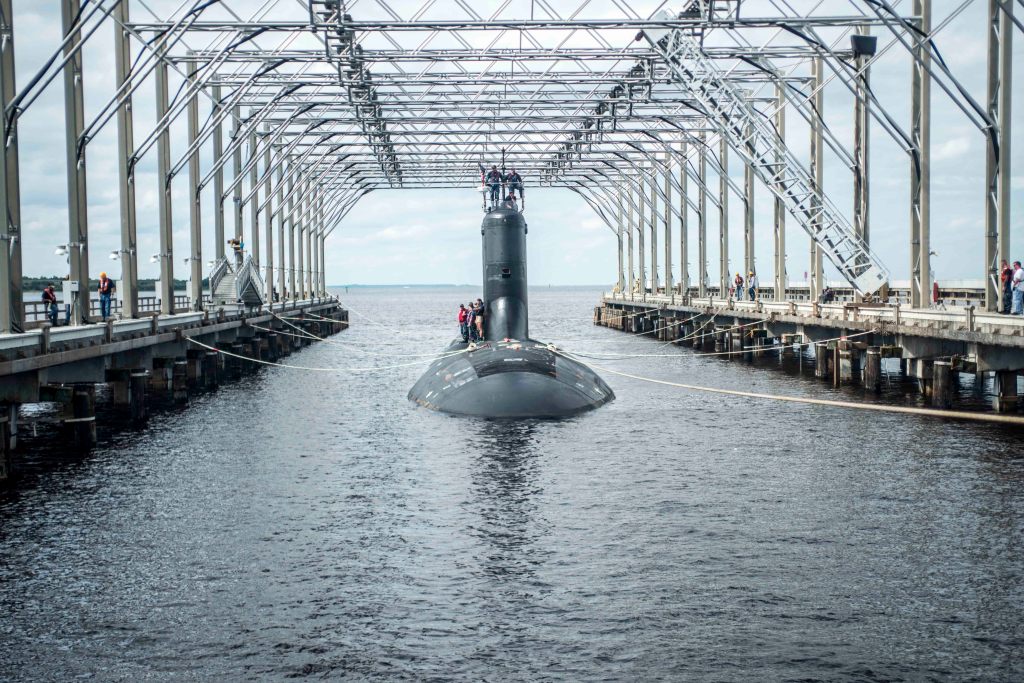
AUKUS standoff: Australia, UK wait on Congress to approve pact
AUKUS was announced two years ago. Now Congress must pass several bills to make the pact work, from export controls to submarine transfer authorities.