-
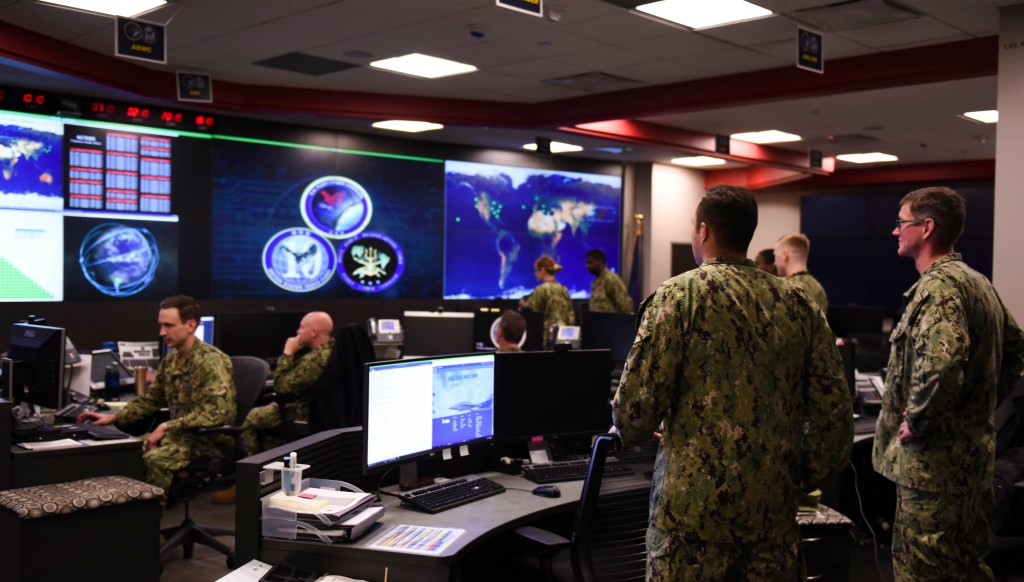
What progress has the Navy made on IT modernization?
Aaron Weis, the CIO of the Navy, discusses investments into IT and cybersecurity as the service looks to strengthen its cyber defenses.
-
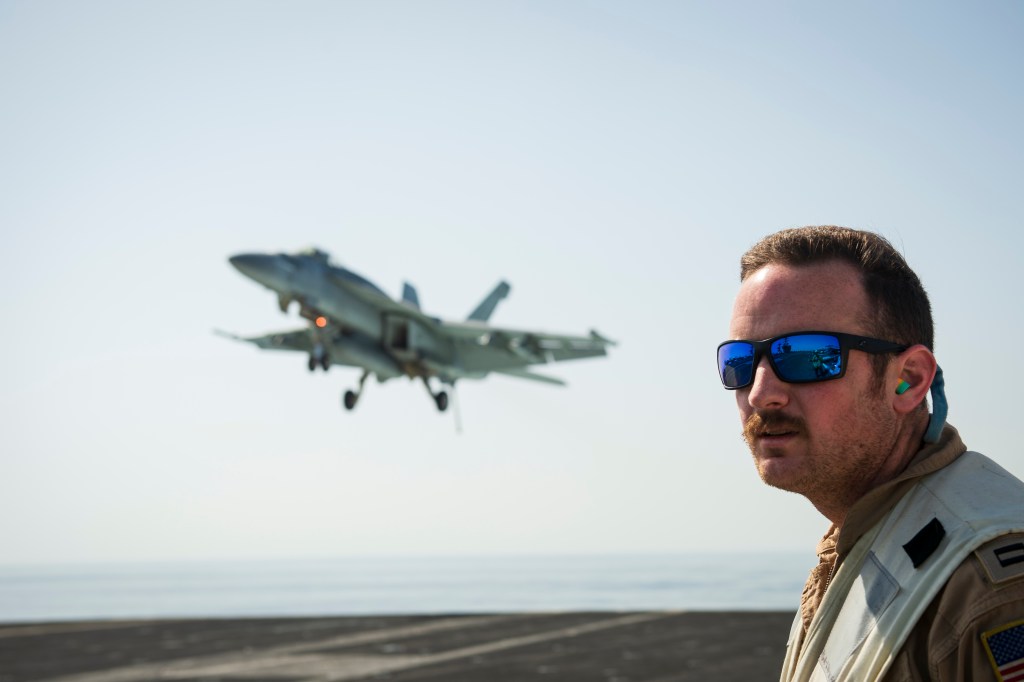
Poor spending decisions on F-18 could have long-term national security consequences
When budgets are tight, we pit current security needs against future security needs. That is dangerous.
-
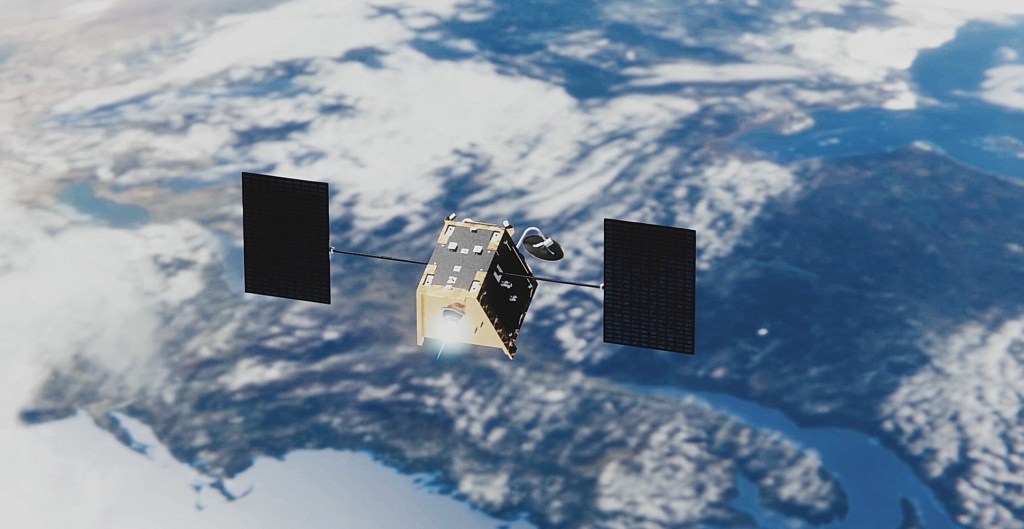
A bankrupt OneWeb and other troubled space startups could get some help from the Defense Department
“I will say with respect to OneWeb specifically … we continue to work,” the Space Force’s No. 2 officer says.
-
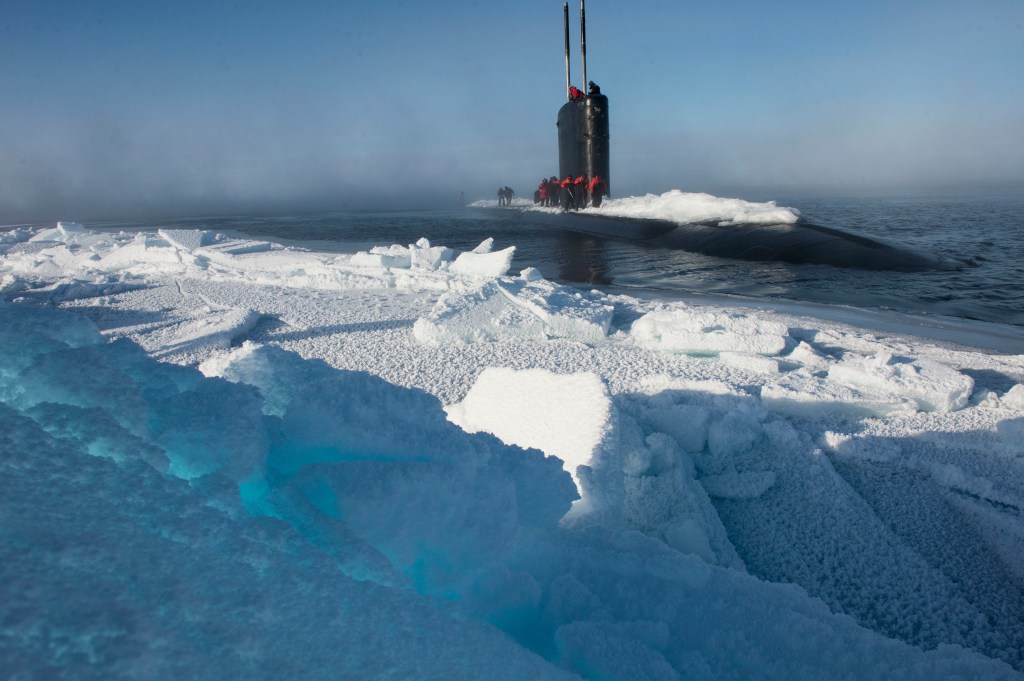
The US Navy returns to an increasingly militarized Arctic
The U.S. Navy is back in the Arctic Circle after being gone for 30 years, reentering a region where questions of international law are becoming increasingly high-stakes.
-
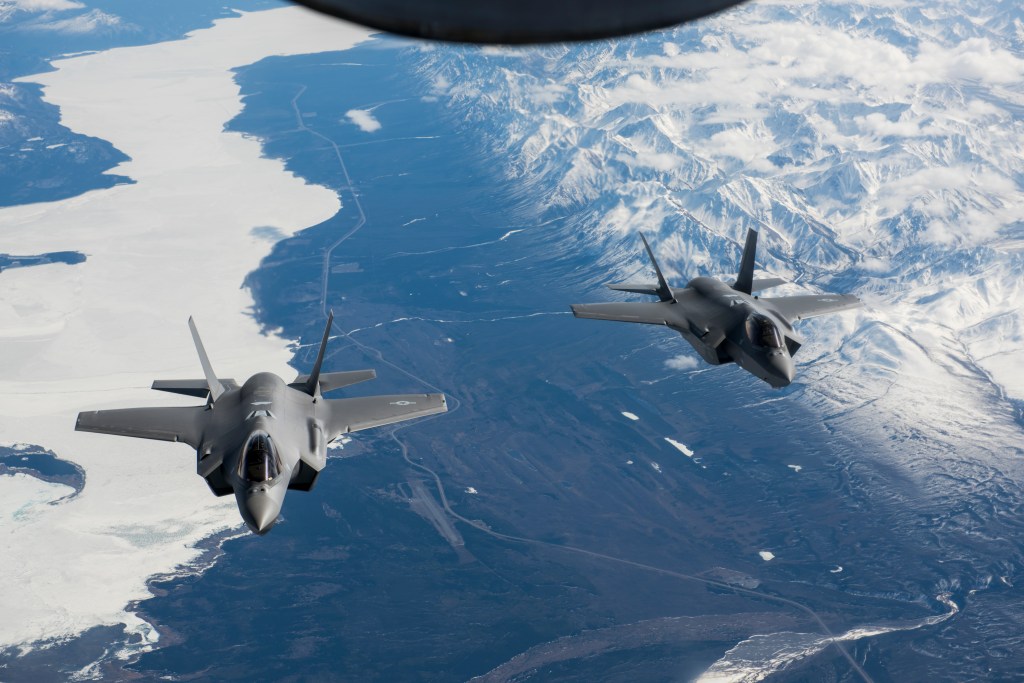
How the US Air Force is assembling its northernmost F-35 squadron amid a pandemic
There are strategic benefits to being the U.S. Air Force’s northernmost fighter squadron, starting with access to any location in Europe or the Asia-Pacific region.
-
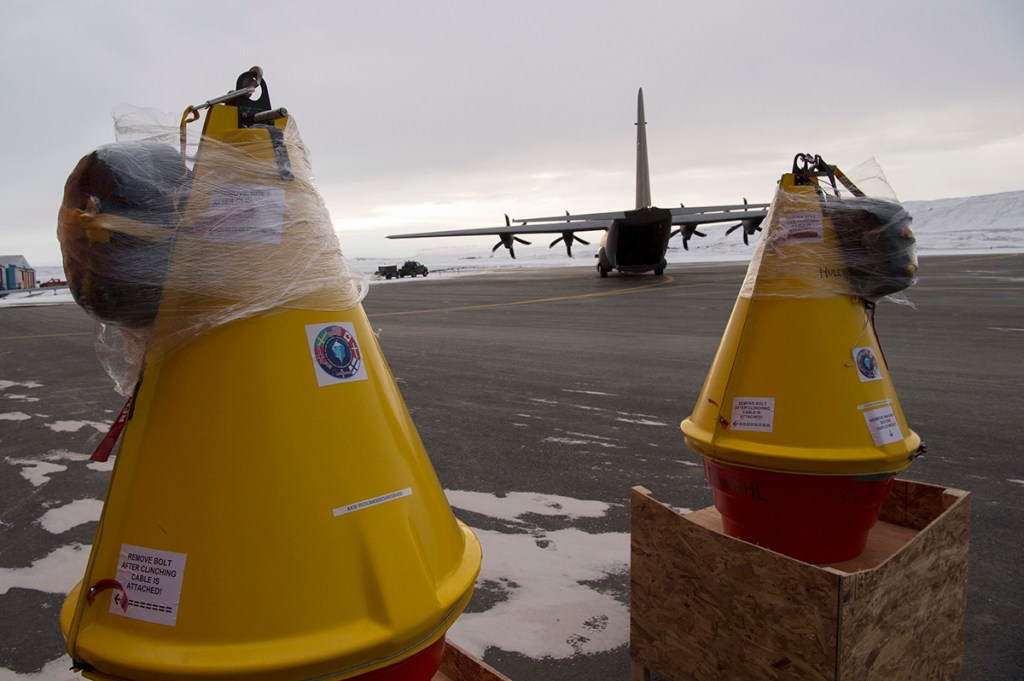
Failure to communicate: US Navy seeks faster data transfers amid Arctic ice
The Arctic Mobile Observing System project was created to transmit data on oceanic conditions under the ice in near-real time. But that effort is going to involve multiple systems on Earth and in space.
-
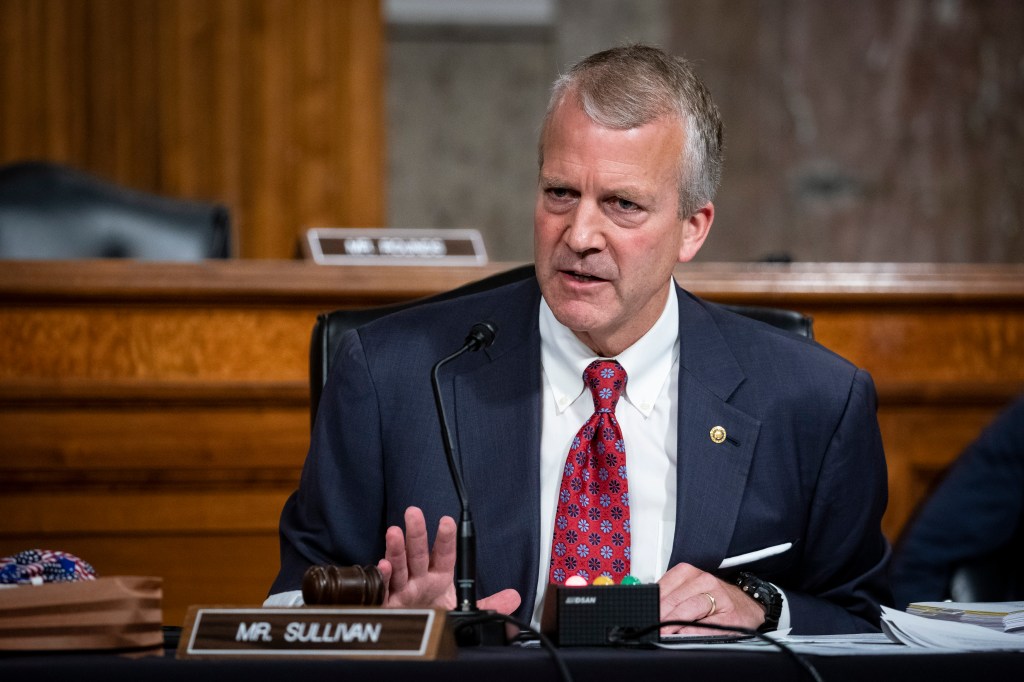
Sen. Sullivan of Alaska talks military strength and strategy in the Arctic
When it comes to boosting the Defense Department’s role in the frigid Arctic, nobody in Congress seems hotter under the collar than Sen. Dan Sullivan.
-
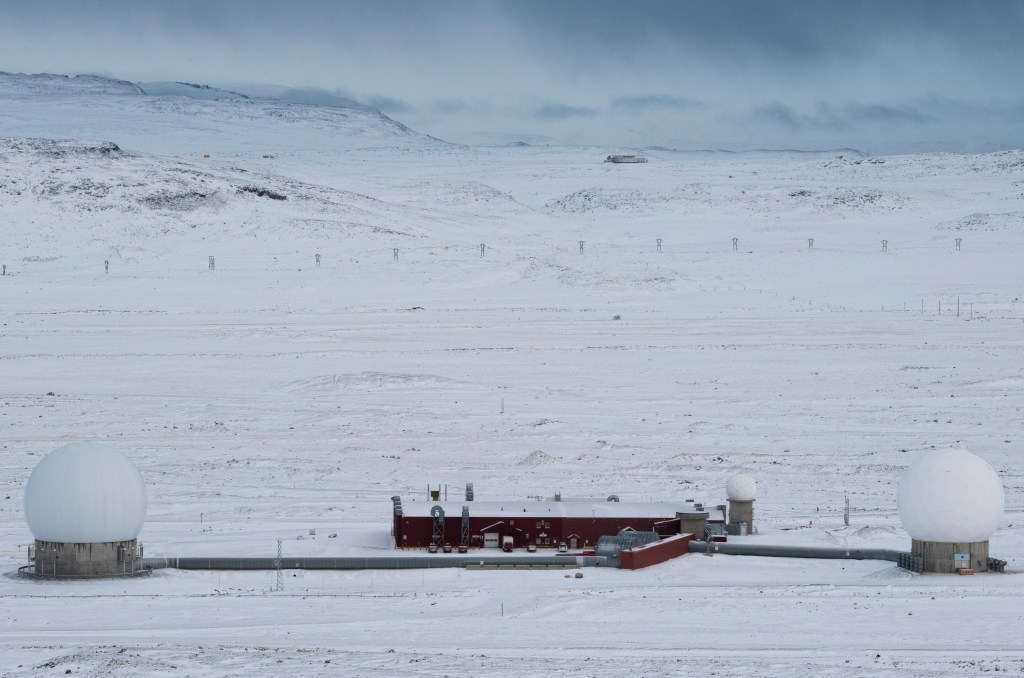
SpaceX could fill the US military’s Arctic communications gap by the end of this year
U.S. Northern Command wants to explore using commercial proliferated low-Earth orbit constellations to fill their Arctic communications gap.
-
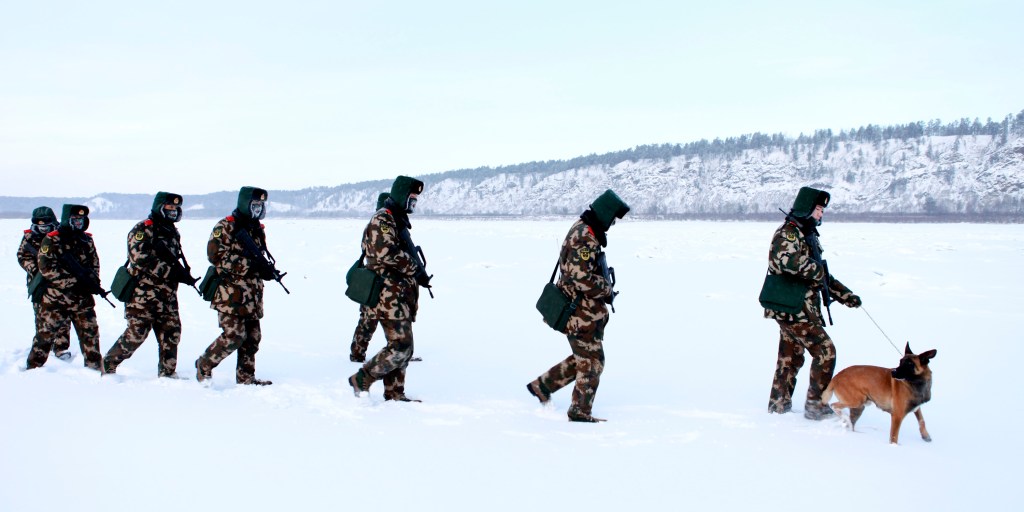
China’s strategic interest in the Arctic goes beyond economics
Over the recent years, Beijing has instituted a gradually expanding set of scientific research programs in the Arctic that clearly have both civilian and military applications.
-
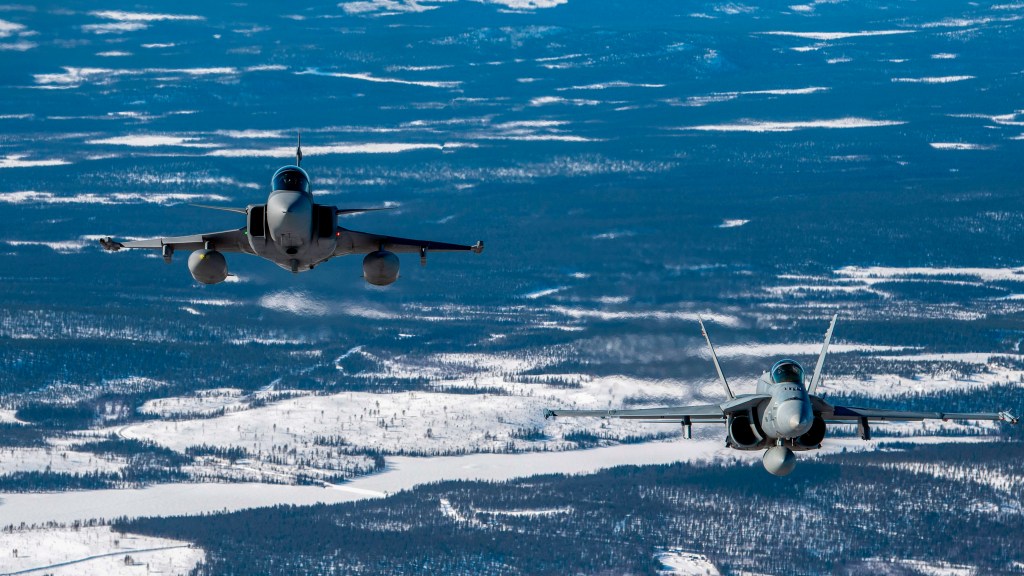
A view from Finland: Security and defense in the Arctic
Although the risk of military confrontation in the Arctic remains low for the time being, Finland is considering the possibility of a spillover from conflicts elsewhere.
-
What progress has the Navy made on IT modernization?
Aaron Weis, the CIO of the Navy, discusses investments into IT and cybersecurity as the service looks to strengthen its cyber defenses.
-
Poor spending decisions on F-18 could have long-term national security consequences
When budgets are tight, we pit current security needs against future security needs. That is dangerous.
-
A bankrupt OneWeb and other troubled space startups could get some help from the Defense Department
“I will say with respect to OneWeb specifically … we continue to work,” the Space Force’s No. 2 officer says.
-
The US Navy returns to an increasingly militarized Arctic
The U.S. Navy is back in the Arctic Circle after being gone for 30 years, reentering a region where questions of international law are becoming increasingly high-stakes.
-
How the US Air Force is assembling its northernmost F-35 squadron amid a pandemic
There are strategic benefits to being the U.S. Air Force’s northernmost fighter squadron, starting with access to any location in Europe or the Asia-Pacific region.
-
Failure to communicate: US Navy seeks faster data transfers amid Arctic ice
The Arctic Mobile Observing System project was created to transmit data on oceanic conditions under the ice in near-real time. But that effort is going to involve multiple systems on Earth and in space.
-
Sen. Sullivan of Alaska talks military strength and strategy in the Arctic
When it comes to boosting the Defense Department’s role in the frigid Arctic, nobody in Congress seems hotter under the collar than Sen. Dan Sullivan.
-
SpaceX could fill the US military’s Arctic communications gap by the end of this year
U.S. Northern Command wants to explore using commercial proliferated low-Earth orbit constellations to fill their Arctic communications gap.
-
China’s strategic interest in the Arctic goes beyond economics
Over the recent years, Beijing has instituted a gradually expanding set of scientific research programs in the Arctic that clearly have both civilian and military applications.
-
A view from Finland: Security and defense in the Arctic
Although the risk of military confrontation in the Arctic remains low for the time being, Finland is considering the possibility of a spillover from conflicts elsewhere.