-

Northrop launches new divisions focused on space, cyber, unmanned tech
Northrop Grumman has announced four new operating sectors: Aeronautics Systems, Defense Systems, Mission Systems and Space Systems.
-
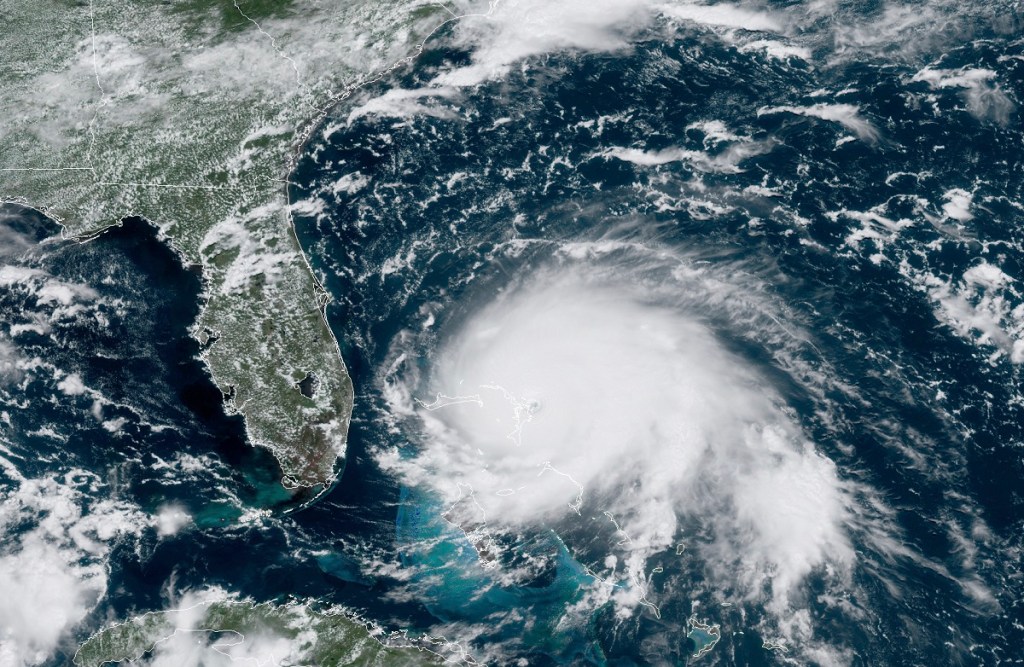
Hurricane Dorian showed NGA can get data out faster
The National Geospatial-Intelligence Agency has fine tuned its disaster relief response times with Hurricane Dorian, intel officials said.
-

How will the Air Force get the weather data it needs from space?
The Air Force is ditching its plans for a free flyer space vehicle for weather data and has submitted an informal plan to move to a proliferated low earth orbit constellation.
-
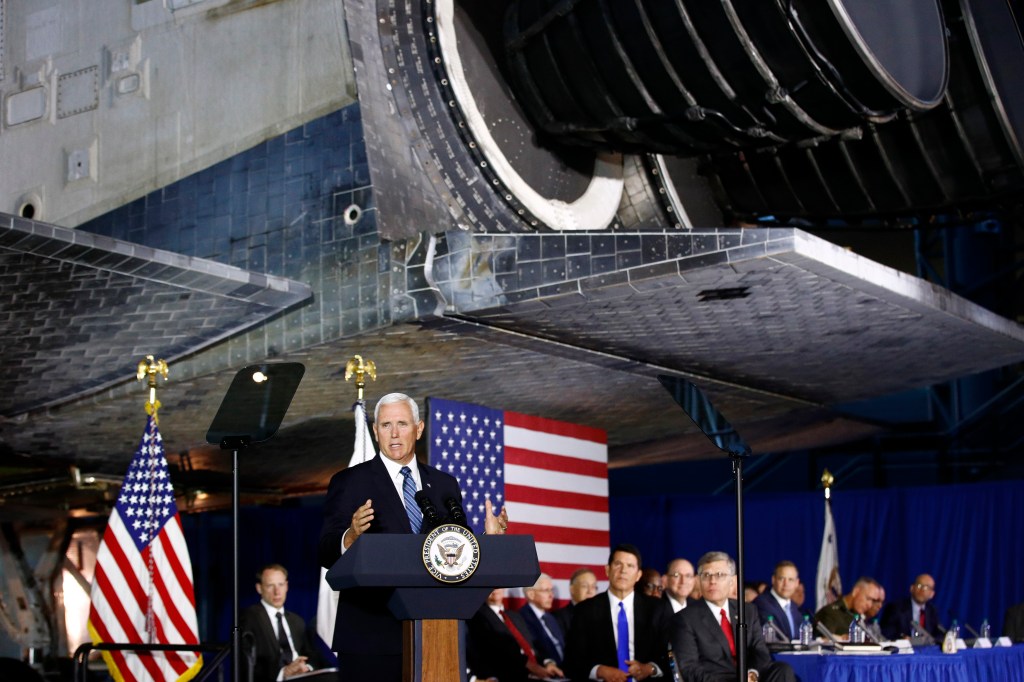
Space Force price tag clouds decision to formally launch, despite White House push
Changing Title 10 would enshrine a U.S. Space Force as a separate branch of the military next year ― but it’s not in the Senate’s defense policy bill.
-
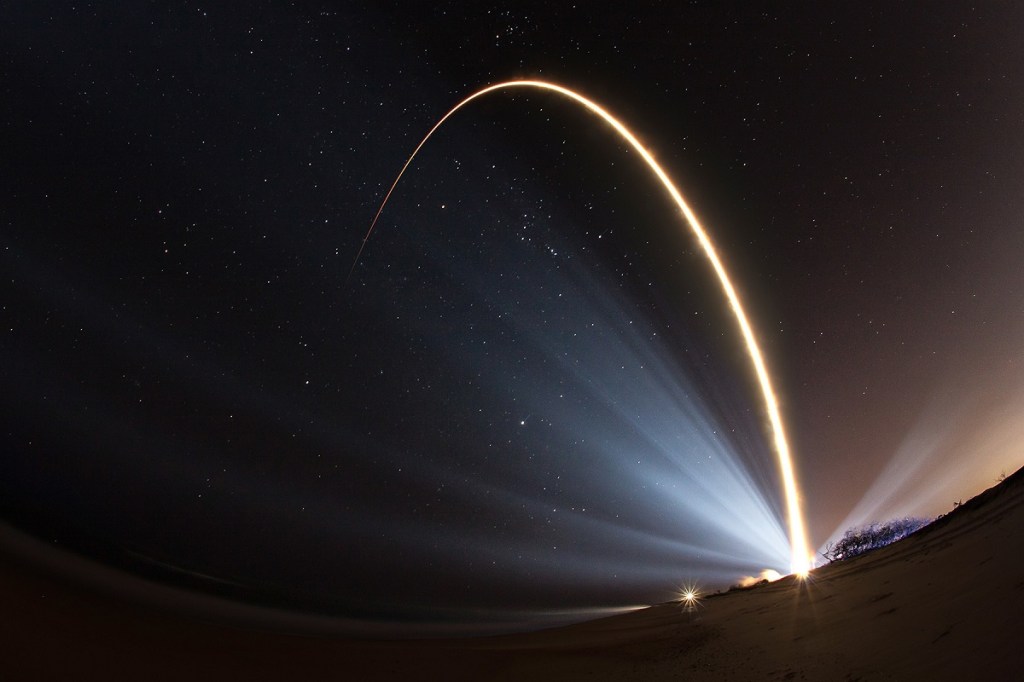
A new orbit for some of the Pentagon’s missile warning satellites
Space and Missile Systems Center leaders said they wanted a hybrid architecture for Next Gen OPIR, with satellites in geosynchronous and low earth orbits.
-
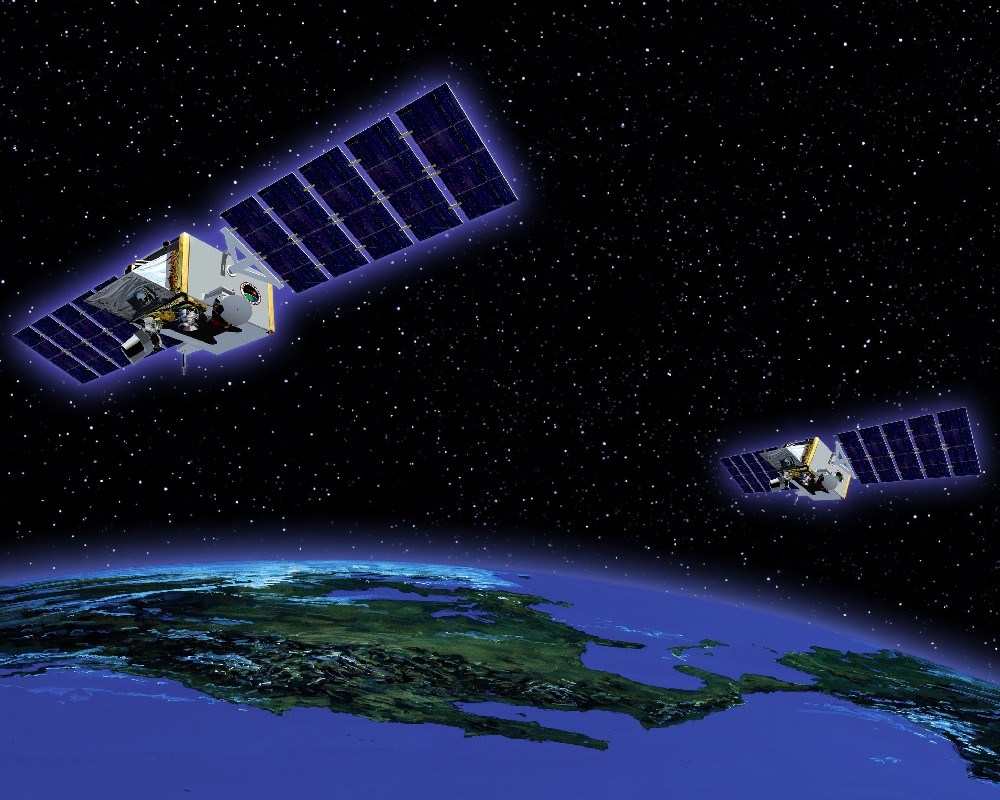
The Air Force wants satellites that grow fast, die young
“We’re not trying to build super exquisite satellites anymore that will last 20 or 25 years on orbit,” Lt. Gen. John Thompson said.
-
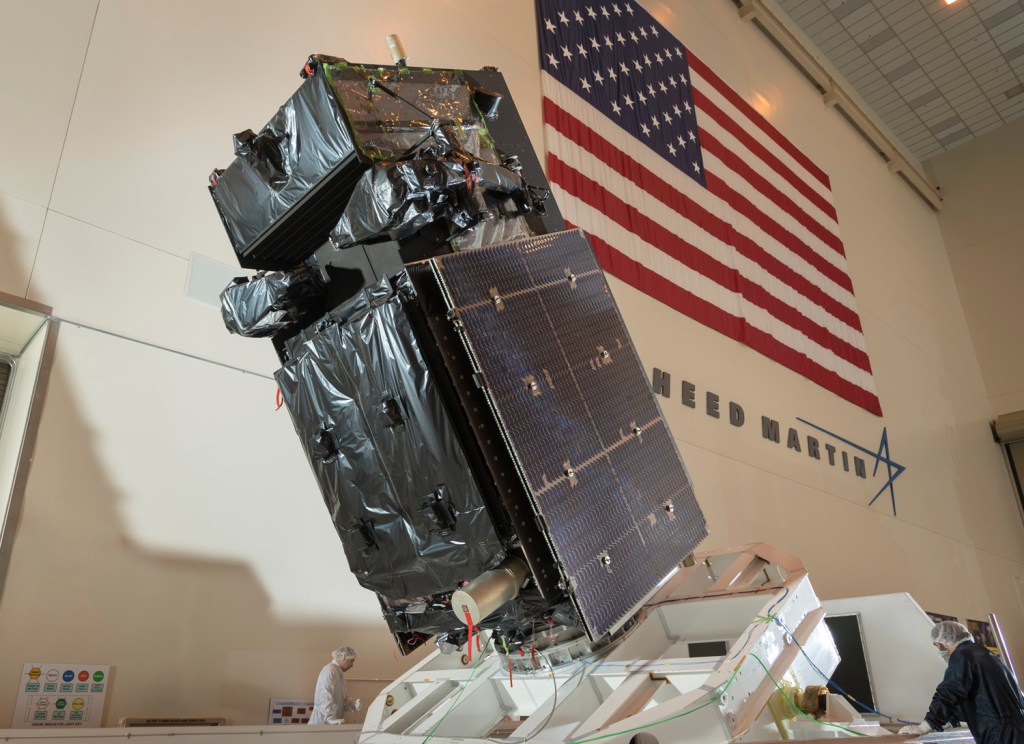
Should the Air Force spend even more on missile warning satellites?
The Senate Appropriations Committee wants to bring funding for a next-generation early warning missile defense satellite to almost $2 billion.
-
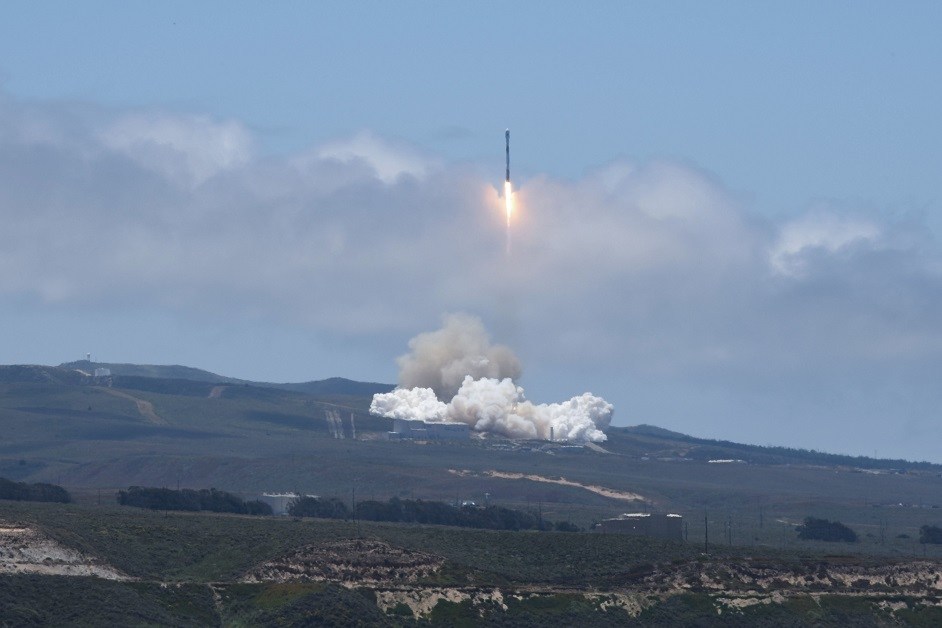
Air Force awards Iridium $738M deal for satellite services
Iridium Communications said it received a $738.5 million, seven-year contract for unlimited satellite services through Air Force Space Command.
-

NRO and US Space Command test out new relationship
A recent exercise allowed the National Reconnaissance Office and US Space Command to test out a new agreement for defending the nation’s spy satellites during a conflict in space.
-
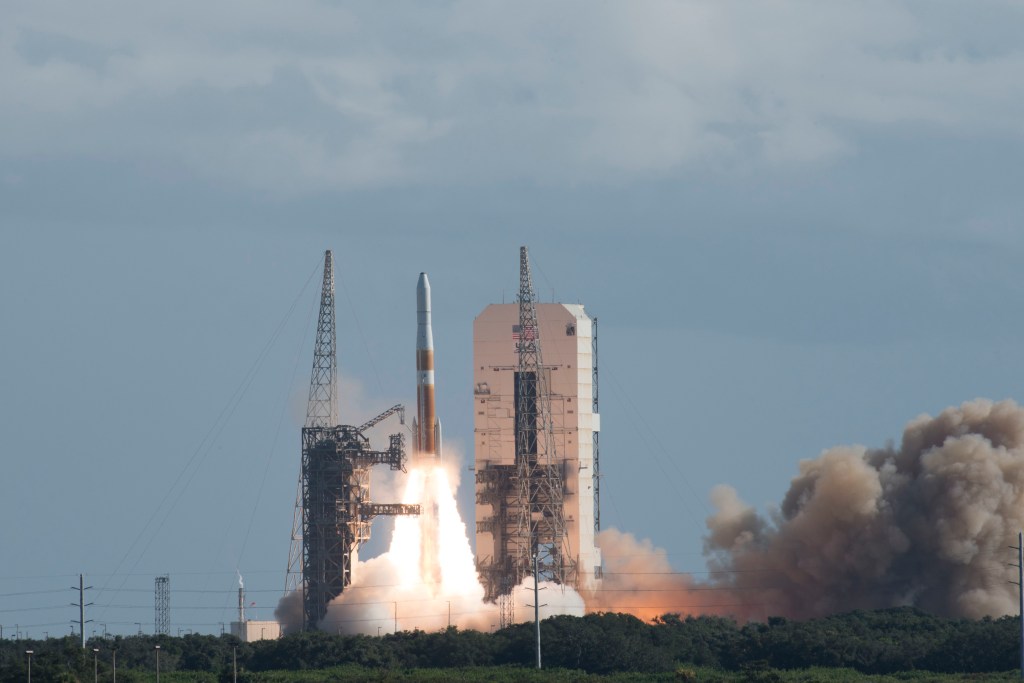
Documents reveal how the Space Force would launch in 90 days
The Pentagon is waiting for Congress to decide whether to create a Space Force. This is what would happen next.
-
Northrop launches new divisions focused on space, cyber, unmanned tech
Northrop Grumman has announced four new operating sectors: Aeronautics Systems, Defense Systems, Mission Systems and Space Systems.
-
Hurricane Dorian showed NGA can get data out faster
The National Geospatial-Intelligence Agency has fine tuned its disaster relief response times with Hurricane Dorian, intel officials said.
-
How will the Air Force get the weather data it needs from space?
The Air Force is ditching its plans for a free flyer space vehicle for weather data and has submitted an informal plan to move to a proliferated low earth orbit constellation.
-
Space Force price tag clouds decision to formally launch, despite White House push
Changing Title 10 would enshrine a U.S. Space Force as a separate branch of the military next year ― but it’s not in the Senate’s defense policy bill.
-
A new orbit for some of the Pentagon’s missile warning satellites
Space and Missile Systems Center leaders said they wanted a hybrid architecture for Next Gen OPIR, with satellites in geosynchronous and low earth orbits.
-
The Air Force wants satellites that grow fast, die young
“We’re not trying to build super exquisite satellites anymore that will last 20 or 25 years on orbit,” Lt. Gen. John Thompson said.
-
Should the Air Force spend even more on missile warning satellites?
The Senate Appropriations Committee wants to bring funding for a next-generation early warning missile defense satellite to almost $2 billion.
-
Air Force awards Iridium $738M deal for satellite services
Iridium Communications said it received a $738.5 million, seven-year contract for unlimited satellite services through Air Force Space Command.
-
NRO and US Space Command test out new relationship
A recent exercise allowed the National Reconnaissance Office and US Space Command to test out a new agreement for defending the nation’s spy satellites during a conflict in space.
-
Documents reveal how the Space Force would launch in 90 days
The Pentagon is waiting for Congress to decide whether to create a Space Force. This is what would happen next.