-

Italy’s Pinotti: Responding to Fear and Uncertainty
European nations must come up with effective answers to our citizens’ growing concerns, starting with an increased effort to provide advanced but realistic solutions for common security and defense.
-

Jerry DeMuro: Anticipating and Planning for a More Certain Future
The head of BAE Systems wants to focus heavily on programs that would allow the United States to share its technological advantages with international partners to strengthen key alliances and improve interoperability.
-
EY India’s Raj: Future of ‘Make in India’ Is Defense
Having recognized the importance of indigenous design and development, India has for the first time prioritized domestic manufacturing.
-

Jens Stoltenberg: NATO Depends on Fair Member Expenditure, US Leadership
Strengthening NATO’s defense and promoting stability does not come for free.
-

Transatlantic Academy’s Szabo: The Future of NATO and European Security
The election of Donald Trump as the next American president will lead to what John Foster Dulles once called an “agonizing reappraisal” on both sides of the Atlantic.
-

Ruslan Pukhov: Pulling Back the Veil on the Syrian Conflict
After more than a year of the Russian military intervention in Syria, the results so far are not an unalloyed success.
-

Greece’s Vitsas: Reorienting the Hellenic Defense Industry
In the complex environment of modern weapon systems, where supply chains are characterized by technological complexity, global spread and a large number of companies, individual countries cannot ensure full autonomy in the field of security of supply by local sources — regardless of their capabilities.
-

EDA’s Domecq: ‘Acid Test’ for European Defence Research Coming
We have to be clear about this: If Europe’s ambition is to reach such a level of strategic autonomy and if it wants to retain the ability to develop the military capabilities it will need in the future, then it has to invest in future-oriented defense and research technology programs.
-

US Defense Secretary Carter: Innovation Drive Essential to DoD’s Future
To take on challenges and stay ahead of our competitors in an increasingly complex international landscape, DoD is changing and adapting how we invest in technology, how we fight, how we operate as an organization, and how we attract and nourish talent.
-
Paweł Soloch: Poland’s Security Priorities
Poland’s geopolitical location is responsible for the fact that our country has always treated all questions related to security as of crucial importance. However, the events that took place in the past several years have further emphasized this priority.
-
Italy’s Pinotti: Responding to Fear and Uncertainty
European nations must come up with effective answers to our citizens’ growing concerns, starting with an increased effort to provide advanced but realistic solutions for common security and defense.
-
Jerry DeMuro: Anticipating and Planning for a More Certain Future
The head of BAE Systems wants to focus heavily on programs that would allow the United States to share its technological advantages with international partners to strengthen key alliances and improve interoperability.
-
EY India’s Raj: Future of ‘Make in India’ Is Defense
Having recognized the importance of indigenous design and development, India has for the first time prioritized domestic manufacturing.
-
Jens Stoltenberg: NATO Depends on Fair Member Expenditure, US Leadership
Strengthening NATO’s defense and promoting stability does not come for free.
-
Transatlantic Academy’s Szabo: The Future of NATO and European Security
The election of Donald Trump as the next American president will lead to what John Foster Dulles once called an “agonizing reappraisal” on both sides of the Atlantic.
-
Ruslan Pukhov: Pulling Back the Veil on the Syrian Conflict
After more than a year of the Russian military intervention in Syria, the results so far are not an unalloyed success.
-
Greece’s Vitsas: Reorienting the Hellenic Defense Industry
In the complex environment of modern weapon systems, where supply chains are characterized by technological complexity, global spread and a large number of companies, individual countries cannot ensure full autonomy in the field of security of supply by local sources — regardless of their capabilities.
-
EDA’s Domecq: ‘Acid Test’ for European Defence Research Coming
We have to be clear about this: If Europe’s ambition is to reach such a level of strategic autonomy and if it wants to retain the ability to develop the military capabilities it will need in the future, then it has to invest in future-oriented defense and research technology programs.
-
US Defense Secretary Carter: Innovation Drive Essential to DoD’s Future
To take on challenges and stay ahead of our competitors in an increasingly complex international landscape, DoD is changing and adapting how we invest in technology, how we fight, how we operate as an organization, and how we attract and nourish talent.
-
Paweł Soloch: Poland’s Security Priorities
Poland’s geopolitical location is responsible for the fact that our country has always treated all questions related to security as of crucial importance. However, the events that took place in the past several years have further emphasized this priority.
-

Italy’s Pinotti: Responding to Fear and Uncertainty
European nations must come up with effective answers to our citizens’ growing concerns, starting with an increased effort to provide advanced but realistic solutions for common security and defense.
-

Jerry DeMuro: Anticipating and Planning for a More Certain Future
The head of BAE Systems wants to focus heavily on programs that would allow the United States to share its technological advantages with international partners to strengthen key alliances and improve interoperability.
-
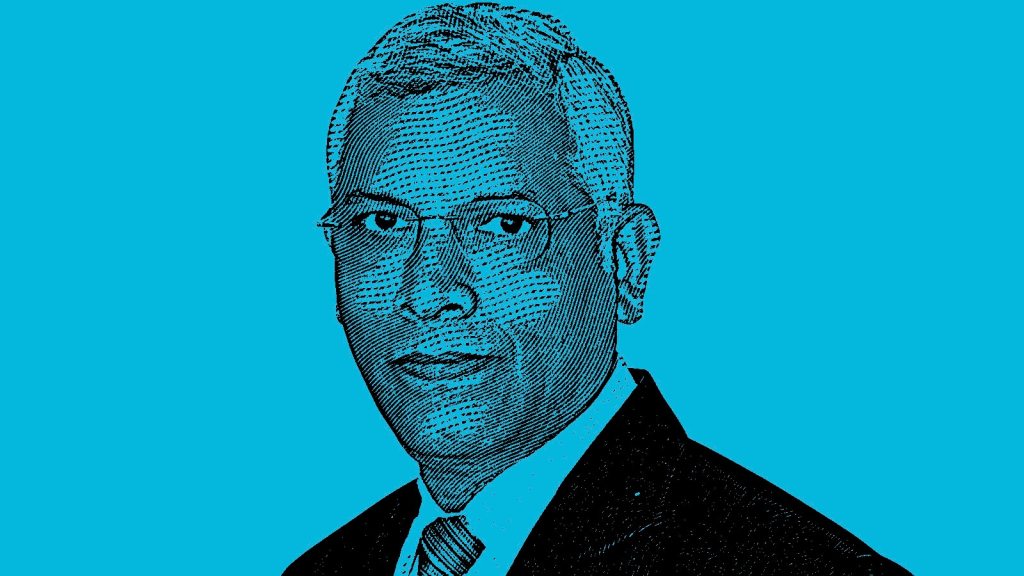
EY India’s Raj: Future of ‘Make in India’ Is Defense
Having recognized the importance of indigenous design and development, India has for the first time prioritized domestic manufacturing.
-
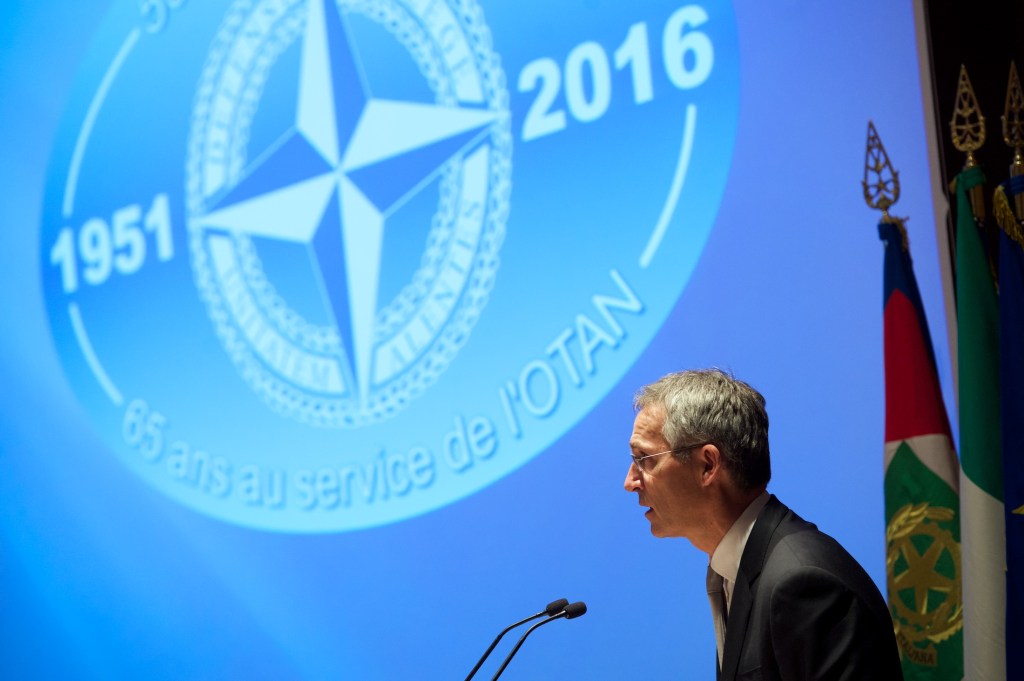
Jens Stoltenberg: NATO Depends on Fair Member Expenditure, US Leadership
Strengthening NATO’s defense and promoting stability does not come for free.
-
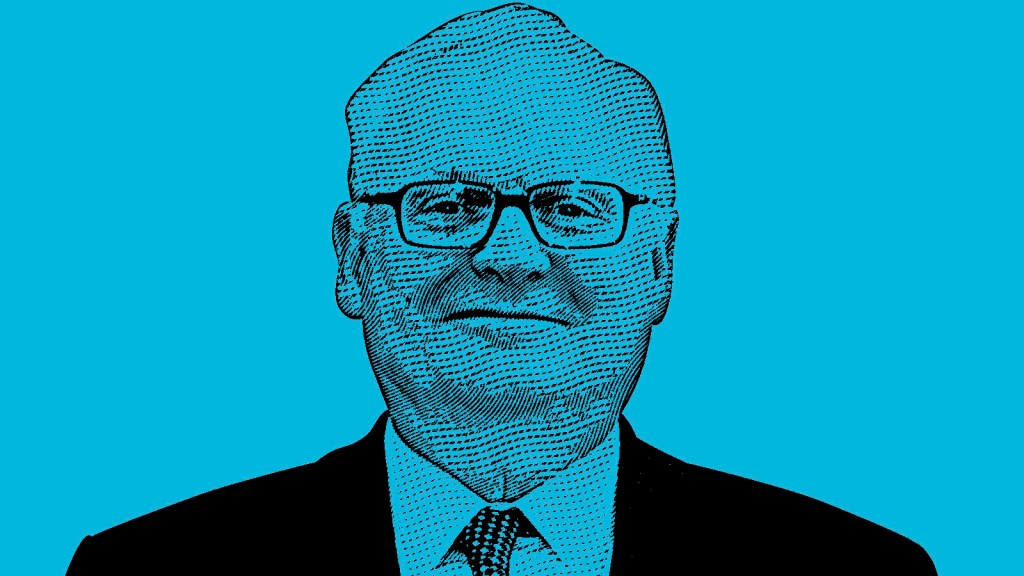
Transatlantic Academy’s Szabo: The Future of NATO and European Security
The election of Donald Trump as the next American president will lead to what John Foster Dulles once called an “agonizing reappraisal” on both sides of the Atlantic.
-

Ruslan Pukhov: Pulling Back the Veil on the Syrian Conflict
After more than a year of the Russian military intervention in Syria, the results so far are not an unalloyed success.
-
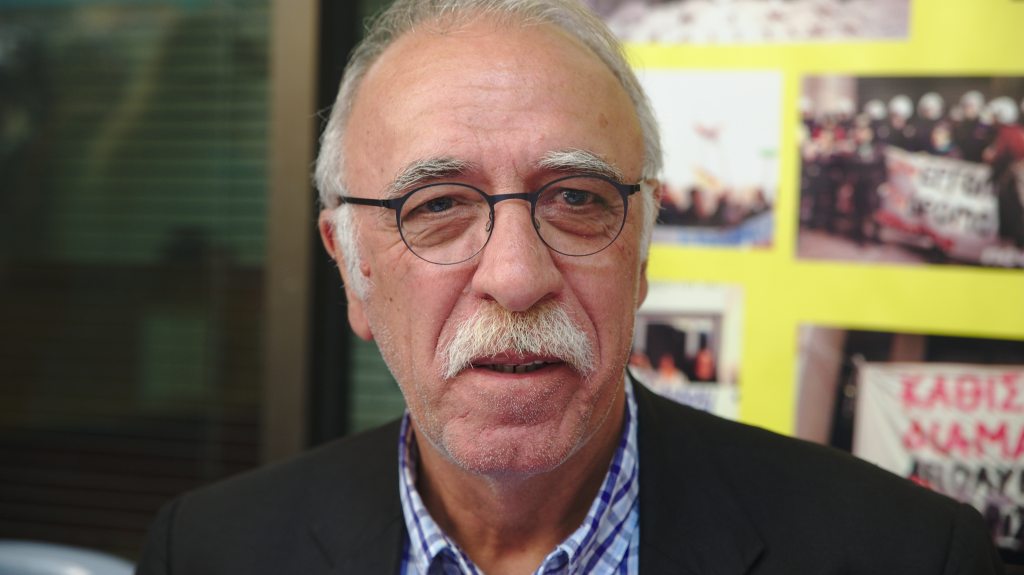
Greece’s Vitsas: Reorienting the Hellenic Defense Industry
In the complex environment of modern weapon systems, where supply chains are characterized by technological complexity, global spread and a large number of companies, individual countries cannot ensure full autonomy in the field of security of supply by local sources — regardless of their capabilities.
-

EDA’s Domecq: ‘Acid Test’ for European Defence Research Coming
We have to be clear about this: If Europe’s ambition is to reach such a level of strategic autonomy and if it wants to retain the ability to develop the military capabilities it will need in the future, then it has to invest in future-oriented defense and research technology programs.
-

US Defense Secretary Carter: Innovation Drive Essential to DoD’s Future
To take on challenges and stay ahead of our competitors in an increasingly complex international landscape, DoD is changing and adapting how we invest in technology, how we fight, how we operate as an organization, and how we attract and nourish talent.
-
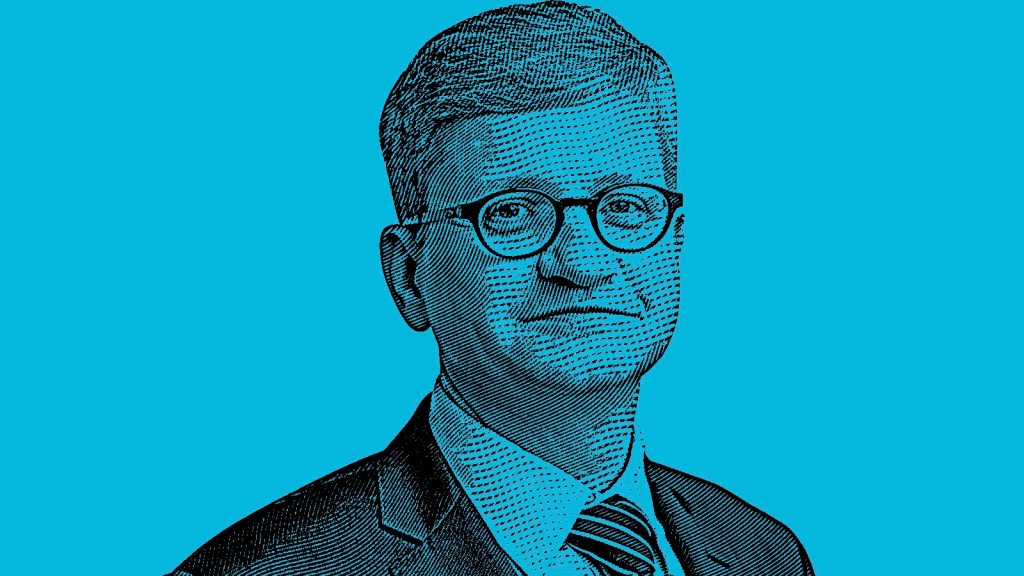
Paweł Soloch: Poland’s Security Priorities
Poland’s geopolitical location is responsible for the fact that our country has always treated all questions related to security as of crucial importance. However, the events that took place in the past several years have further emphasized this priority.