-

The Air Force’s new system to process missile warning data
The Air Force has selected Raytheon to build FORGE, a new system to collect and fuse data from the military’s space-based missile warning sensors.
-
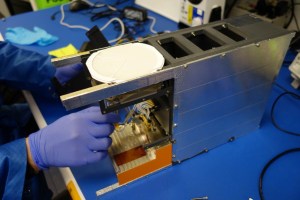
Lockheed Martin experiments with a mesh network in space
Pony Express 1 is the first of several experimental missions being conducted by Lockheed Martin to test cloud networking concepts in space, along with other software-defined capabilities.
-

A new satellite to produce imagery for the intelligence community
Capella has already secured contracts with the Air Force and National Reconnaissance Office for the unique imagery it plans to provide using synthetic aperture radar.
-

The US will launch its next spy satellite from New Zealand
Rocket Lab will provide the National Reconnaissance Office’s first launch under the Rapid Acquisition of a Small Rocket contract vehicle.
-
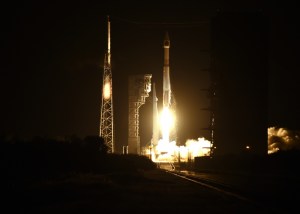
One military space agency’s plan for 1,000 new satellites by 2026
The Space Development Agency plans to launch satellites in two-year installments, rapidly growing its footprint in LEO until it’s operating nearly 1,000 satellites in 2026.
-

With this upgrade, these aircraft will have anti-jamming comms
The Air Force has awarded a contract to develop new force element terminals to replace legacy systems and provide access to the United States’ most advanced satellite communications.
-

A new GPS III satellite is online. What will it bring to the fleet?
Thanks to the Contingency Operations program, the military is able to utilize the new navigation satellite without the next generation ground segment being built for it.
-

The Pentagon wants help for its satellites to talk to each other
Optical intersatellite links could be critical to the success of the Department of Defense’s future threat-based space architecture in low earth orbit. But in order to use them, the military needs to establish open standards.
-

Where to store all this intelligence data? How about DNA?
Could synthetic DNA hold the key to storing massive amounts of data at scale?
-

Space Force will host its own pitch day
Based on the popular network show “Shark Tank,” the Air Force launched the pitch day concept in 2019 to find solutions from nontraditional companies to whom the traditional Department of Defense acquisition structure might seem daunting.
-
The Air Force’s new system to process missile warning data
The Air Force has selected Raytheon to build FORGE, a new system to collect and fuse data from the military’s space-based missile warning sensors.
-
Lockheed Martin experiments with a mesh network in space
Pony Express 1 is the first of several experimental missions being conducted by Lockheed Martin to test cloud networking concepts in space, along with other software-defined capabilities.
-
A new satellite to produce imagery for the intelligence community
Capella has already secured contracts with the Air Force and National Reconnaissance Office for the unique imagery it plans to provide using synthetic aperture radar.
-
The US will launch its next spy satellite from New Zealand
Rocket Lab will provide the National Reconnaissance Office’s first launch under the Rapid Acquisition of a Small Rocket contract vehicle.
-
One military space agency’s plan for 1,000 new satellites by 2026
The Space Development Agency plans to launch satellites in two-year installments, rapidly growing its footprint in LEO until it’s operating nearly 1,000 satellites in 2026.
-
With this upgrade, these aircraft will have anti-jamming comms
The Air Force has awarded a contract to develop new force element terminals to replace legacy systems and provide access to the United States’ most advanced satellite communications.
-
A new GPS III satellite is online. What will it bring to the fleet?
Thanks to the Contingency Operations program, the military is able to utilize the new navigation satellite without the next generation ground segment being built for it.
-
The Pentagon wants help for its satellites to talk to each other
Optical intersatellite links could be critical to the success of the Department of Defense’s future threat-based space architecture in low earth orbit. But in order to use them, the military needs to establish open standards.
-
Where to store all this intelligence data? How about DNA?
Could synthetic DNA hold the key to storing massive amounts of data at scale?
-
Space Force will host its own pitch day
Based on the popular network show “Shark Tank,” the Air Force launched the pitch day concept in 2019 to find solutions from nontraditional companies to whom the traditional Department of Defense acquisition structure might seem daunting.
-
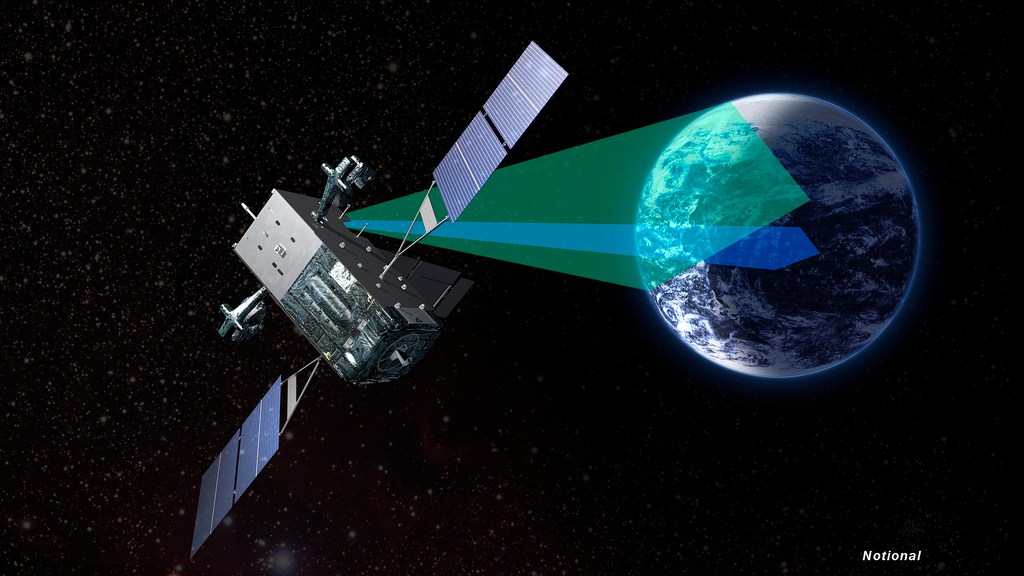
The Air Force’s new system to process missile warning data
The Air Force has selected Raytheon to build FORGE, a new system to collect and fuse data from the military’s space-based missile warning sensors.
-
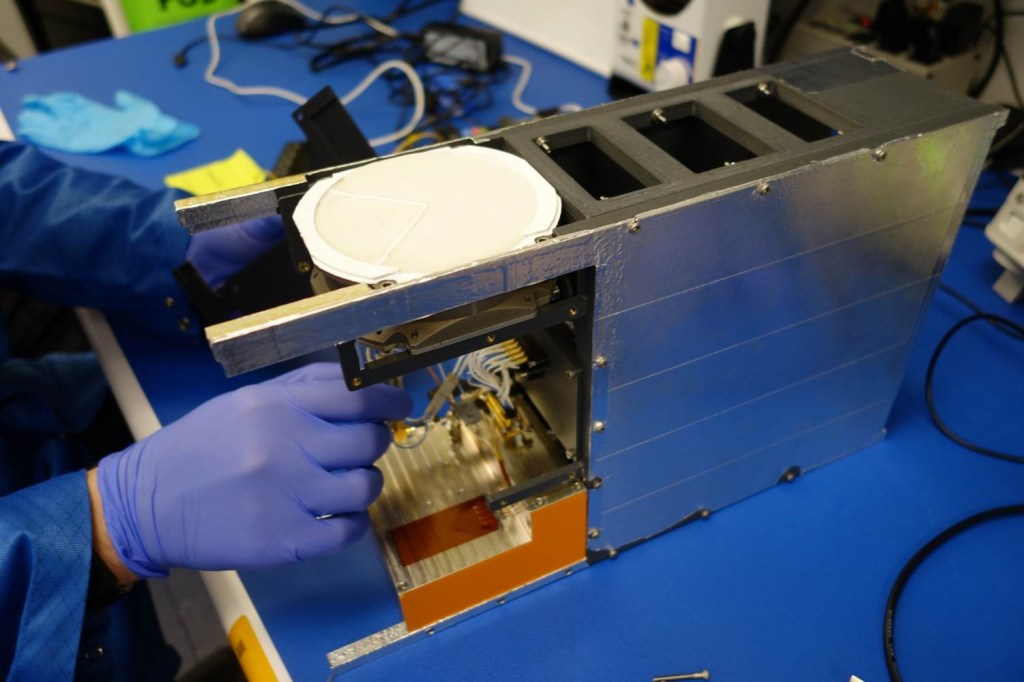
Lockheed Martin experiments with a mesh network in space
Pony Express 1 is the first of several experimental missions being conducted by Lockheed Martin to test cloud networking concepts in space, along with other software-defined capabilities.
-

A new satellite to produce imagery for the intelligence community
Capella has already secured contracts with the Air Force and National Reconnaissance Office for the unique imagery it plans to provide using synthetic aperture radar.
-

The US will launch its next spy satellite from New Zealand
Rocket Lab will provide the National Reconnaissance Office’s first launch under the Rapid Acquisition of a Small Rocket contract vehicle.
-
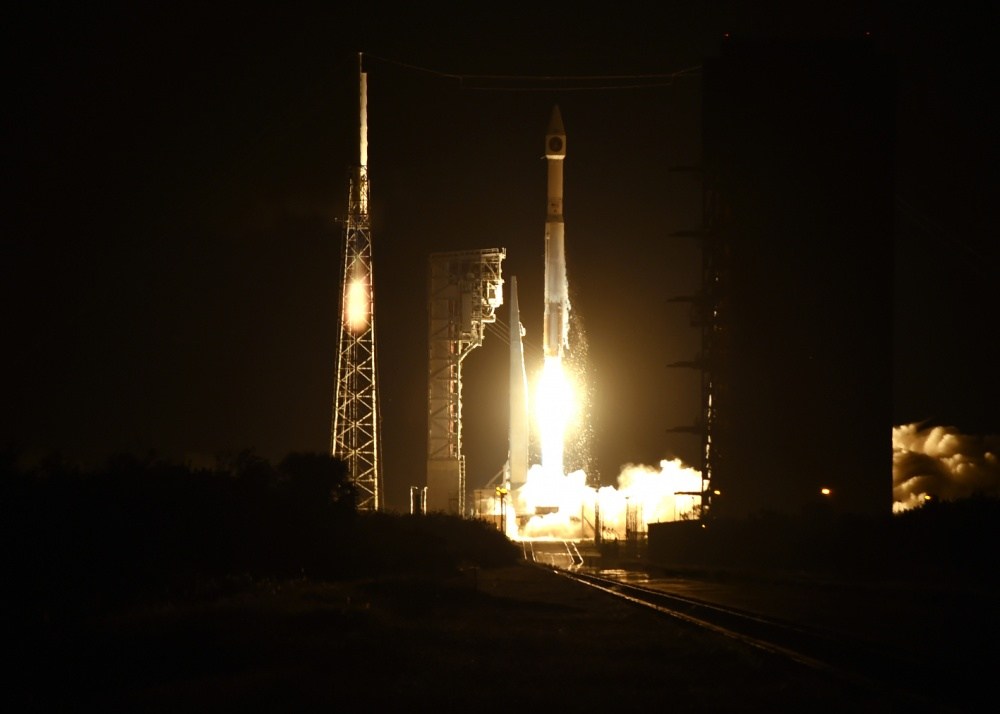
One military space agency’s plan for 1,000 new satellites by 2026
The Space Development Agency plans to launch satellites in two-year installments, rapidly growing its footprint in LEO until it’s operating nearly 1,000 satellites in 2026.
-

With this upgrade, these aircraft will have anti-jamming comms
The Air Force has awarded a contract to develop new force element terminals to replace legacy systems and provide access to the United States’ most advanced satellite communications.
-
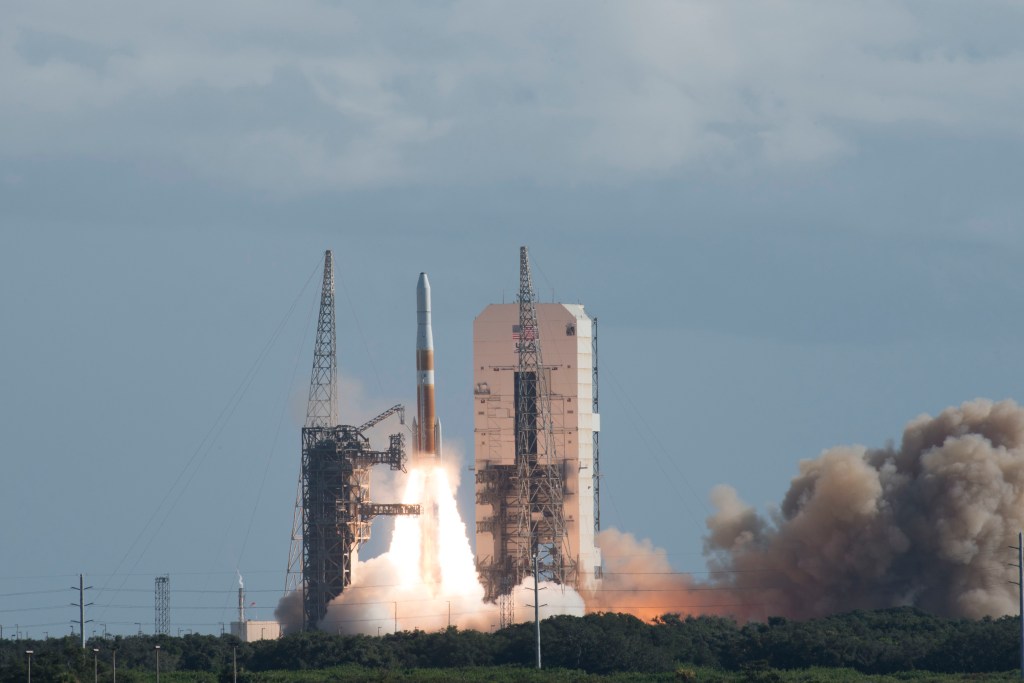
A new GPS III satellite is online. What will it bring to the fleet?
Thanks to the Contingency Operations program, the military is able to utilize the new navigation satellite without the next generation ground segment being built for it.
-
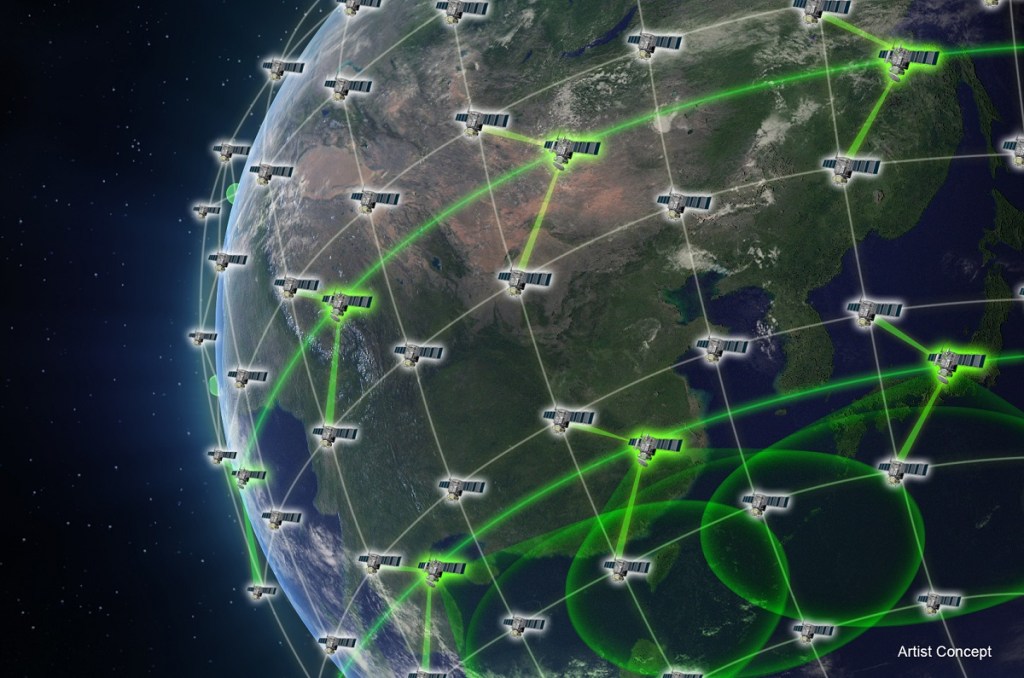
The Pentagon wants help for its satellites to talk to each other
Optical intersatellite links could be critical to the success of the Department of Defense’s future threat-based space architecture in low earth orbit. But in order to use them, the military needs to establish open standards.
-

Where to store all this intelligence data? How about DNA?
Could synthetic DNA hold the key to storing massive amounts of data at scale?
-

Space Force will host its own pitch day
Based on the popular network show “Shark Tank,” the Air Force launched the pitch day concept in 2019 to find solutions from nontraditional companies to whom the traditional Department of Defense acquisition structure might seem daunting.