-
2 goals for one of the military’s new space organizations
Maj. Gen. John Shaw explains his 2020 priorities for one of the U.S. Space Command’s two subordinate commands.
-

What we know about Iran’s counter-space weapons
While Iran is unlikely to have effective direct ascent anti-satellite weapons in the near future, they have developed technologies that could potentially degrade or deny U.S. space capabilities in their territory.
-

This satellite will deliver twice the capability of the current constellation
The 11th Wideband Global SATCOM satellite will be able to use beam forming and other commercial technology to deliver more capability to the war fighter.
-

The Marine Corps’ 4 priorities in the information environment
Deputy Commandant for Information Lt. Gen. Lori Reynolds lays out her priorities for operations in the information environment in 2020.
-

More than a test bed: How an experimental satellite will help the war fighter
Run by the Air Force Research Laboratory, the NTS program launches experimental satellites that test future GPS technology, allowing the military to ensure that future space vehicles have the most advanced technology. NTS-3, the third iteration of this concept, is slated for launch in 2022.
-

A new $5M competition to help the Pentagon detect deepfakes
Congress established a $5 million prize competition in the annual national defense policy legislation that could unlock the secret to automatically detecting deepfakes.
-
What the Pentagon needs before it makes a decision on satellite communications
A new Government Accountability Office report provides a few clues on a long awaited analysis of alternatives for the Air Force’s Wideband Global SATCOM satellites.
-

Compasses won’t work here. A new map helps show where.
The latest update to the World Magnetic Model includes new information on blackout zones, areas where compasses become unreliable due to the magnetic forces at play.
-
Inmarsat bets the Pentagon needs more bandwidth in the Middle East
Responding to increased demand for commercial satellite communications in the Middle East and Europe, Inmarsat is dedicating it’s newest satellite to serving military and commercial customers in that region.
-
The Air Force will need terminals that work with more than GPS
A provision in the annual defense policy bill calls on the Air Force to develop a prototype receiver capable of utilizing foreign GNSS, such as the European Union’s Galileo or Japan’s QZSS satellites.
-
2 goals for one of the military’s new space organizations
Maj. Gen. John Shaw explains his 2020 priorities for one of the U.S. Space Command’s two subordinate commands.
-
What we know about Iran’s counter-space weapons
While Iran is unlikely to have effective direct ascent anti-satellite weapons in the near future, they have developed technologies that could potentially degrade or deny U.S. space capabilities in their territory.
-
This satellite will deliver twice the capability of the current constellation
The 11th Wideband Global SATCOM satellite will be able to use beam forming and other commercial technology to deliver more capability to the war fighter.
-
The Marine Corps’ 4 priorities in the information environment
Deputy Commandant for Information Lt. Gen. Lori Reynolds lays out her priorities for operations in the information environment in 2020.
-
More than a test bed: How an experimental satellite will help the war fighter
Run by the Air Force Research Laboratory, the NTS program launches experimental satellites that test future GPS technology, allowing the military to ensure that future space vehicles have the most advanced technology. NTS-3, the third iteration of this concept, is slated for launch in 2022.
-
A new $5M competition to help the Pentagon detect deepfakes
Congress established a $5 million prize competition in the annual national defense policy legislation that could unlock the secret to automatically detecting deepfakes.
-
What the Pentagon needs before it makes a decision on satellite communications
A new Government Accountability Office report provides a few clues on a long awaited analysis of alternatives for the Air Force’s Wideband Global SATCOM satellites.
-
Compasses won’t work here. A new map helps show where.
The latest update to the World Magnetic Model includes new information on blackout zones, areas where compasses become unreliable due to the magnetic forces at play.
-
Inmarsat bets the Pentagon needs more bandwidth in the Middle East
Responding to increased demand for commercial satellite communications in the Middle East and Europe, Inmarsat is dedicating it’s newest satellite to serving military and commercial customers in that region.
-
The Air Force will need terminals that work with more than GPS
A provision in the annual defense policy bill calls on the Air Force to develop a prototype receiver capable of utilizing foreign GNSS, such as the European Union’s Galileo or Japan’s QZSS satellites.
-
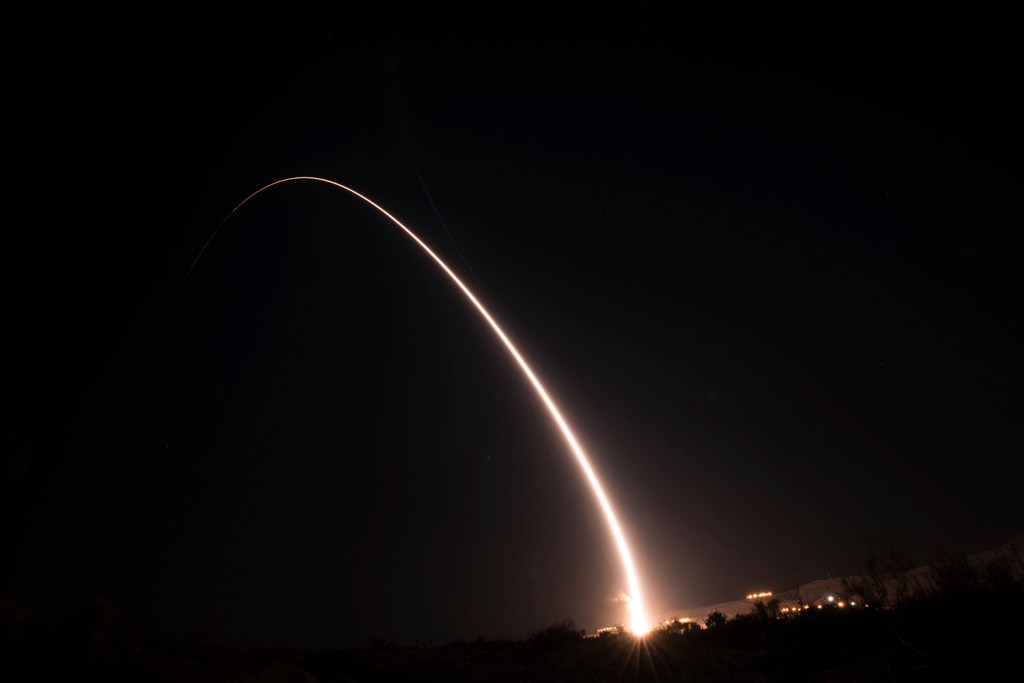
2 goals for one of the military’s new space organizations
Maj. Gen. John Shaw explains his 2020 priorities for one of the U.S. Space Command’s two subordinate commands.
-

What we know about Iran’s counter-space weapons
While Iran is unlikely to have effective direct ascent anti-satellite weapons in the near future, they have developed technologies that could potentially degrade or deny U.S. space capabilities in their territory.
-

This satellite will deliver twice the capability of the current constellation
The 11th Wideband Global SATCOM satellite will be able to use beam forming and other commercial technology to deliver more capability to the war fighter.
-

The Marine Corps’ 4 priorities in the information environment
Deputy Commandant for Information Lt. Gen. Lori Reynolds lays out her priorities for operations in the information environment in 2020.
-
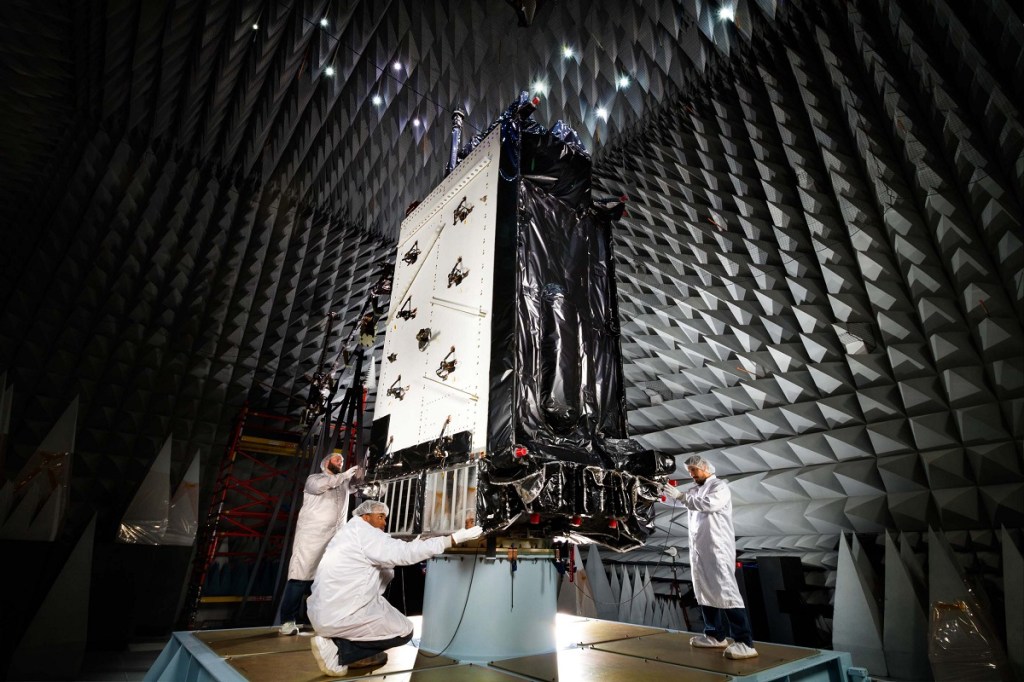
More than a test bed: How an experimental satellite will help the war fighter
Run by the Air Force Research Laboratory, the NTS program launches experimental satellites that test future GPS technology, allowing the military to ensure that future space vehicles have the most advanced technology. NTS-3, the third iteration of this concept, is slated for launch in 2022.
-

A new $5M competition to help the Pentagon detect deepfakes
Congress established a $5 million prize competition in the annual national defense policy legislation that could unlock the secret to automatically detecting deepfakes.
-
What the Pentagon needs before it makes a decision on satellite communications
A new Government Accountability Office report provides a few clues on a long awaited analysis of alternatives for the Air Force’s Wideband Global SATCOM satellites.
-

Compasses won’t work here. A new map helps show where.
The latest update to the World Magnetic Model includes new information on blackout zones, areas where compasses become unreliable due to the magnetic forces at play.
-
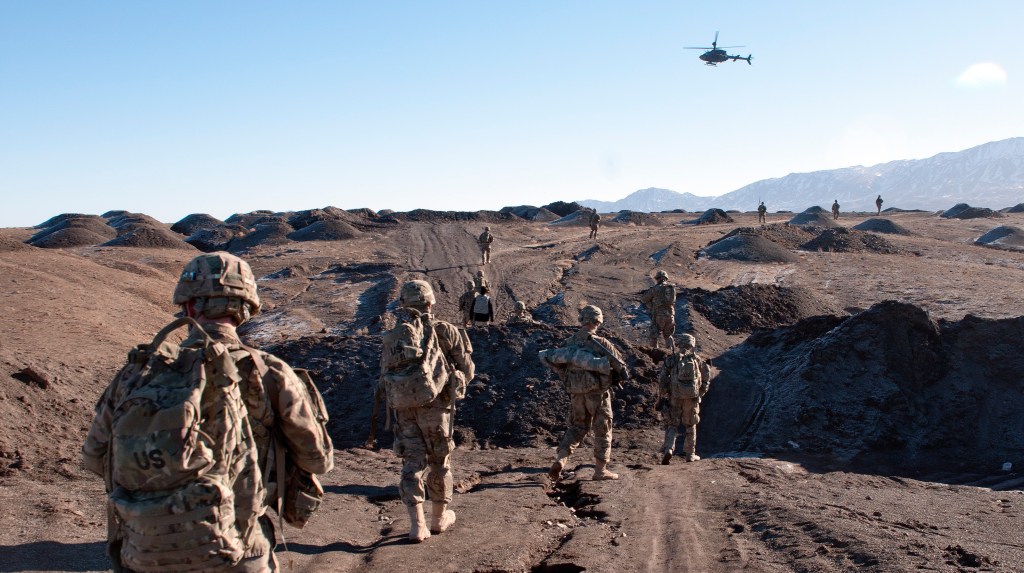
Inmarsat bets the Pentagon needs more bandwidth in the Middle East
Responding to increased demand for commercial satellite communications in the Middle East and Europe, Inmarsat is dedicating it’s newest satellite to serving military and commercial customers in that region.
-

The Air Force will need terminals that work with more than GPS
A provision in the annual defense policy bill calls on the Air Force to develop a prototype receiver capable of utilizing foreign GNSS, such as the European Union’s Galileo or Japan’s QZSS satellites.