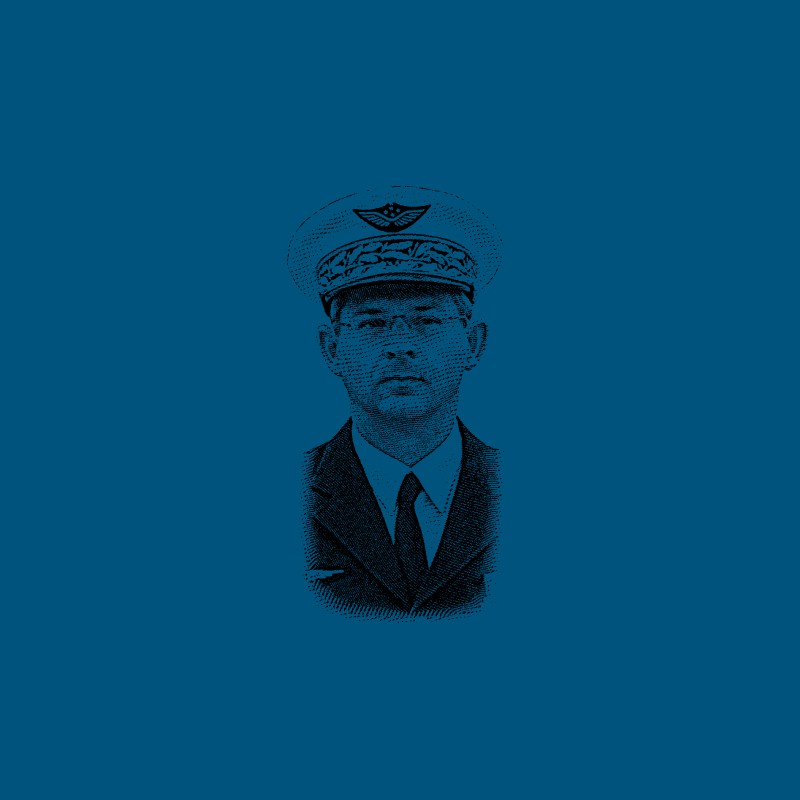
Gen. Denis Mercier, NATO Supreme Allied Command Transformation
Possible Pullquote: …destabilizing actions, whether executed as part of hybrid strategies or conducted by terrorist groups taking advantage of weak states, are aimed at the alliance as a whole.
Web Hed: Mercier: Allies Survive by Adapting
A major shift has taken place in our geopolitical and security environment. In and around the Euro-Atlantic area, the breadth of instability encountered today encompasses a number of challenges whose level of complexity and simultaneity has not been seen since the end of the Cold War.
As threats and crises grow ever more interconnected, the traditional distinction between NATO’s Eastern and Southern flanks appears less relevant: destabilizing actions, whether executed as part of hybrid strategies or conducted by terrorist groups taking advantage of weak states, are aimed at the alliance as a whole.
Its ability to adapt and confront new geostrategic contexts has always been one of NATO’s greatest strengths. It has allowed our alliance to maintain its military and technological edge throughout its history, while responding to all kinds of challenges. One of NATO’s two strategic commands, Allied Command Transformation (ACT), leads the adaptation of the alliance by enhancing its military credibility in order to cope with current and future challenges.
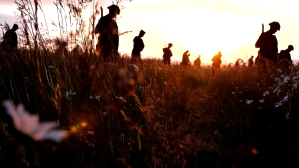
A culminating demonstration of NATO’s level of ambition in joint modern warfare, this year’s Trident Juncture 2015 exercise involved 36,000 troops, 140 aircraft and 60 ships in Italy, Portugal and Spain. As the largest NATO exercise conducted in more than a decade, it proved to be a perfect example of interoperability amongst allied forces and a useful laboratory for the experimentation of new concepts and capabilities.
Next year’s summit in Warsaw will chart the course for the alliance’s adaptation to the new security environment. However, this is only a first step in improving the alliance’s NATO’s deterrence and defense posture to face the challenges of the 21st century challenges.
Such a posture will have to be credible at both the military and political levels. At the military level, we must develop the right mix of conventional, nuclear and missile defense forces, with the appropriate level of readiness and the responsiveness required to rapidly deploy and sustain operations.
At the political level, our credibility will depend upon our ability to demonstrate our strength through a robust exercise program; a robust and innovative defense industry on both sides of the Atlantic; the development of ambitious partnerships; and national and allied Nations’ and Alliance’s resilience.
All These efforts must be underpinned by the clear political will to provide the appropriate resources to sustain and continuously enhance this posture over the long term.
Today’s unstable security environment, the rapid evolution of technological changes and the increased interconnections between the civil and military worlds leave us no other choice but to reconsider our current way of thinking and how we conduct warfare. Only through permanent adaptation will our alliance be able to transform its forces and strengthen its posture, to give the nations the capacity needed to face and shape the future.
Mercier is Supreme Allied Commander Transformation (SACT).
Commentary: NATO Must Adapt To Evolving Geostrategic Threats