DUNKESWELL, England U.K.Dunkeswell — Walk into the office of SC Group CEO Nick Ames, one of the first things you spot on his desk is a book about nuclear law. It’s a reminder that the small British company known chiefly for building specialist high-mobility vehicles for the military is in the midst of a diversification push that could take it into nuclear and other high-end engineering activities.
With the proposed £25 billion (US $38.6 billion) Hinkley Point C nuclear power station set to be built just a few miles from SC Group’s head office on a former air base at Dunkeswell in southwest England, Ames reckons the company’s engineering capabilities put it in a great position to secure production work if the scheme goes ahead.
Nuclear, including possible work at the Atomic Weapons Establishment, is one of the sectors SC Group is pinning its hopes on to achieve more than double its £25 million to £30 million annual revenue (US $38.6 million to $46.3 million) over the next five years as it takes its advanced engineering capabilities into what it hopes will be new growth areas.
Previously known as SupaCat, the company underwent an identity change and restructuring in September to better reflect a business that already has interests across defense, renewable energy, oil and gas, marine and other sectors. It’s also setting sights on other advanced engineering opportunities such as nuclear.
“We will not be walking away from our heartland, which is military vehicles. What we were finding though is that while SupaCat is a wonderful name in defense it is completely unknown outside the sector. For us to address some of the non-defense areas we needed a brand that gave us a bit of headroom,” Ames said.
The result is the creation of four businesses under the new SC Group banner.
Supacat remains the name of the military vehicle business. SC Innovation has been was created to provide engineering solutions for non-defense activities. The recently acquired Blackhill Engineering fabrication and machining business and a marine products business called Proteum complete its lineup for the moment.
Ames, a shareholder in the privately held company, said the effort is about getting the business a better balance to even out the often feast-to-famine nature of defense contracts. At the moment, it’s probably more feast than famine for defense.
Many Supacat customers are special forces, so deals are often done behind closed doors, but some deals do get announced though. Norway said in May it had signed a £23 million (US $35 million) contract for the delivery of HMT Extenda vehicles with an option to double the fleet. The high-mobility vehicles have the virtue of converting from a 4×4 to 6×6 configuration depending on the role the military user has for the machine at the time.
The company also announced last year it was supplying a similar vehicle to the Australian special forces in a AUD$105 million (US $75 million).
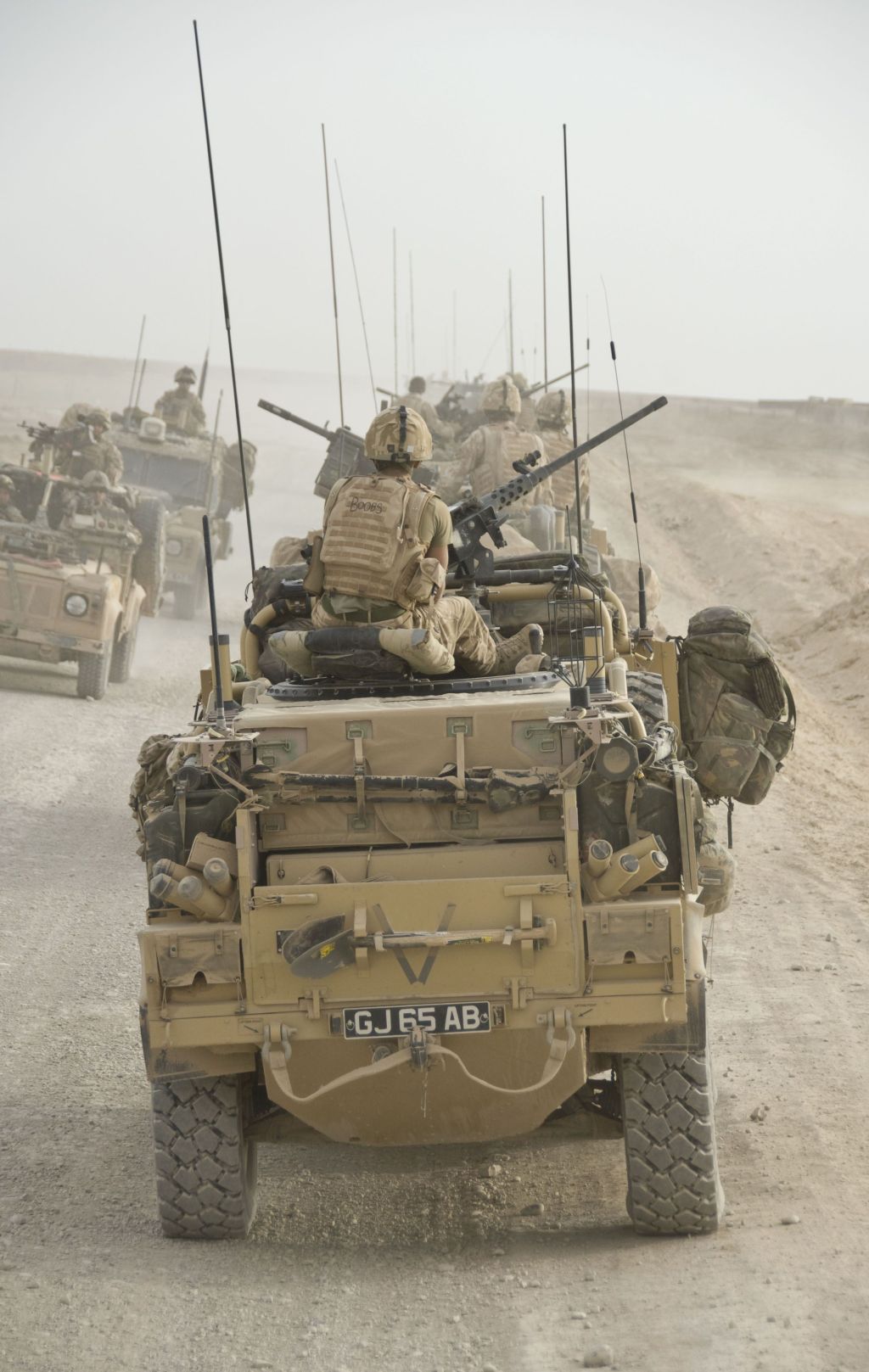
SC Group’s biggest customer, though, is the British Army. , which purchased Hhundreds of the company’s Jackal and Coyote vehicles were purchased to meet urgent operational requirements in Afghanistan. The machines have been were retained by the military since the British withdrawal last year.
“Defense is a great sector to be in, particularly if you have product hitting a need, but it can be very lumpy so the opportunity to better balance the business has always been important,” said Ames.
“You can diversify in defense but when the UK government publishes its Strategic Defence and Security Review (SDSR) later this year and maybe takes money out of your sector it doesn’t do any harm to have other sectors in your mix,” he said. “I’m not expecting SDSR to be a big story for us though.”
“The corporate graveyard of engineering businesses in the UK is quite substantial,” Ames added. “I have no desire to see SC Group added to that. We need to make sure we are balanced, strong, investing in new products and trying to equalize the turnover across the businesses the best we can, he said.
“We are convinced that the engineering talent and businesses we have in the UK and Australia can be used in fields other than defense. The launch and recovery system we developed for the Royal National Lifeboat Institute is evidence of that,” he said.
“We have a vision of what the business will look like in 2020 and that very clearly articulates that we want to see the other sectors grow up to the size of our defense activities,” said the SC Group boss.
“We also see growth in defense, as well. There are opportunities in the UK with the multi-role protected vehicle (MRPV) program and beyond that the mechanized infantry vehicle project .We will be interested to see how they fare in SDSR,” he said.
The SC Group boss said the company has been doing some re-balancing in defense with through-life support contracts, setting up defense operations in Australia and looking at other sectors like marine where they have done some work on mechanized handling systems.
SC Group’s work with Tata Motors to develop a light armored multipurpose vehicle for the Indian military could find its way to the UK to address the MRPV requirement, Ames said.
“Its not a million miles away from the MRVP and I think it could be a very interesting proposition,” he said.
Other opportunities for selling the SupaCat range of vehicles exist in Europe, the Middle East, Australia and elsewhere, Ames said. THERE IS A SIMPLE CUT BY JUST REMOVING THE LAST THREE PARS IF NEEDED.
Getting the company’s recurring revenues above the £60 million mark from a diversified business could have benefits beyond just creating a healthy balance sheet.
Ames said a larger, diversified business will help cure one of the company’s biggest headaches in the export market: the offset packages that are a requirement of many deals.
“Offset is a significant worry for us and the ability to be able address the requirement from a wider group will be hugely beneficial. Offset is top of the pile when it comes to the difficulties the SME community has in exporting,” he said. “The financial risk is huge.”
Email: achuter@defensenews.com